
Across Aotearoa, Māori landowners and agribusinesses are navigating change — responding to climate pressures, shifting markets and new opportunities while considering what the future could look like for their whenua, whānau and enterprises. This case study series of profile articles, videos, and a companion publication follows four Māori agribusinesses that are partnering with the Bioeconomy Science Institute Maiangi Taiao through its Land use transitions to enhance Māori communities programme. Now entering its third year, the programme supports Māori landowners and businesses as they explore new opportunities and navigate transitions in land use and enterprise development.
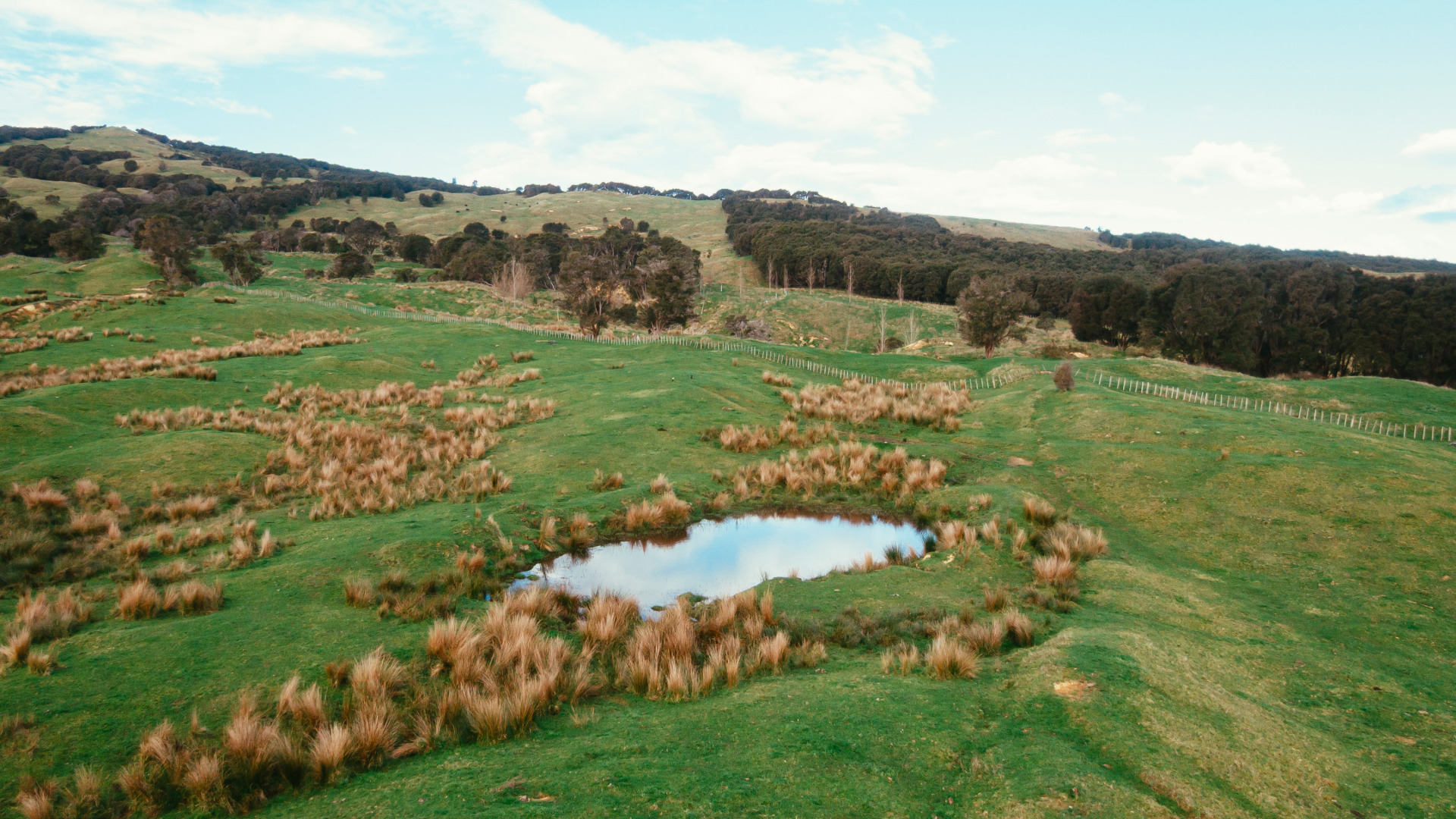
The whenua of Totaranui Nama Ono on the East Coast
Collaborative design
In mid-2024, Kānuka Charitable Trust, Mānuka Performance Limited, Te Kautuku Trust, and Te Pū Oranga Whenua joined the Land Use Transition programme as Māori research partners. Grounded in relationships and collaboration, the kaupapa Māori programme is co-led and co-designed by kairangahau Māori alongside scientists and researchers from the Bioeconomy Science Institute Maiangi Taiao.
The programme aims to identify the information, tools, and support Māori landowners and agribusinesses need to transition from traditional land-use and business models towards more diversified, resilient, and higher-value enterprises. By supporting informed decision-making, it seeks to enable enduring and sustainable change.
Rather than applying a one-size-fits-all approach, the programme centres the aspirations, challenges, and opportunities of each partner. Drawing on a range of research methods and expertise, it supports and accelerates transition pathways that are already underway.
Multiple pathways
The Land Use Transition programme acknowledges there is no single pathway to transition. Together, the four partners demonstrate different approaches that other Māori landowners and agribusinesses may draw on as they chart their own course of change.
● Emerging Transition – Kānuka Charitable Trust, moving from traditional land use toward high-value pharmaceutical markets, unlocking the medicinal and commercial potential of the kānuka tree.
● High Value Transition – Mānuka Performance, moving beyond mānuka honey to explore native flower varieties and polymer extracts, shifting toward science-backed products rather than raw export.
● Integrated Transition – Te Kautuku Trust, moving from conventional beef farming toward nature-based industries powered by data, intergenerational connection and mātauranga Māori.
● Shortened Supply Chain Transition – Te Pū Oranga Whenua, moving away from large-scale export oriented supply chains toward kai sovereignty, putting food back in the hands of whānau and hapū.
Transition is natural
Climate change and volatile global markets have made transition an urgent priority for many Māori landowners and agribusinesses, according to Dr Selai Letica, Land Use Transition programme co-lead and Kairangahau Matua at Bioeconomy Science Institute Maiangi Taiao.
"There is a real need to find options to pivot out of land uses that are exposing them to climate-driven risks,” she says. “There's also the changing and instability of markets. It's becoming increasingly difficult to be economically sustainable, let alone have the ability to manaaki the whenua."
Yet Selai sees this current moment not as a time crisis but as a continuation for Māori landowners.
"Transition, adaptation and change is natural for Māori," she says. "We've always been in land use transition, right from the time of migration. The four partners in this programme represent the forefront of the next generation leading that journey."
Whakawhanaungatanga
Selai says Kānuka Charitable Trust, Mānuka Performance Limited, Te Kautuku Trust and Te Pū Oranga Whenua joined the programme with a clear sense of direction and purpose.
"They had well-articulated needs and knew what their problems and goals were. They just needed a research partnership that could collaboratively figure out what activities would best help them move forward."
From the outset, the programme was designed to support Māori agribusinesses to own more of their journey from whenua to market.
"The more of the value chain we can be involved in, the higher the value we can leverage from the system, and the higher our level of influence in how that system works, in terms of flowing benefits back to taiao, back to whānau, back to whenua."
Central to the programme's success has been its relational approach.
"The magic has happened because of the whakawhanaungatanga," says Selai. "We've spent time together on marae, at wānanga, and walking the whenua. Our kairangahau Māori have played a key role as connectors: bridging relationships between research partners and scientists and ensuring continuity of support.”
“This approach has helped move the projects closer to generating tangible outcomes that people can actually use."
New horizons and uncharted waters
Alongside technical reports and research papers, insights from the programme are being shared through social media, podcasts, videos, presentations, and other formats that are accessible and actionable for whānau and communities. The Ka huri te kei o te waka series is among these resources, bringing together the perspectives of both the Māori research partners and the kairangahau Māori involved in this mahi.
Ka huri te kei o te waka translates as "the stern of the waka is turned," drawing on the legacy of Pacific voyagers who navigated toward new horizons and uncharted waters using the stars and taiao. Today, Māori landowners and agribusinesses are making similar navigational choices: changing course, charting a new direction, and steering their waka toward new futures for their whānau and whenua.
Downloads
Case studies
-
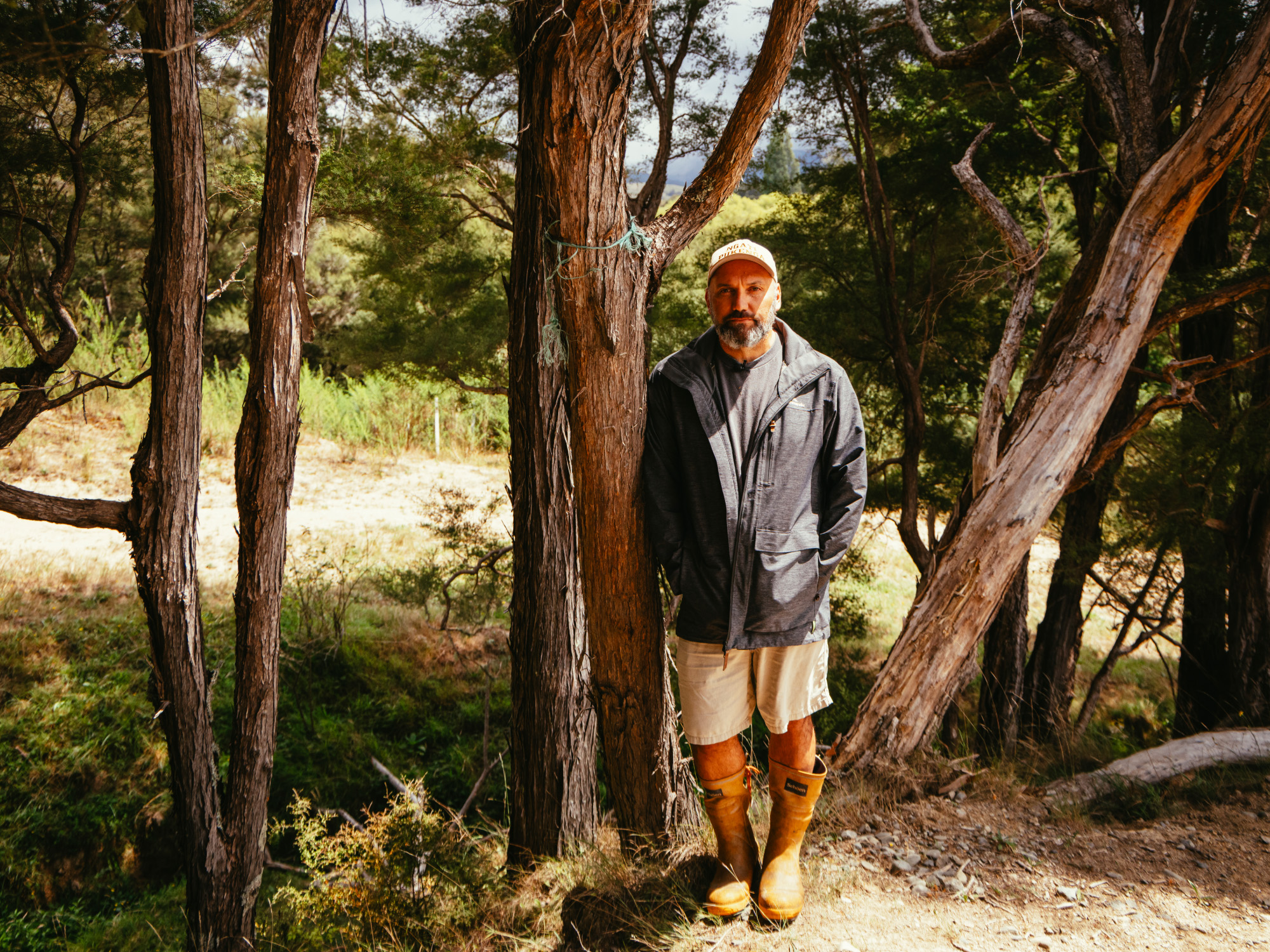
Kānuka Charitable Trust
From scrub to sought-after: Turning kānuka into an emerging global industry.
Our capabilities
Watch below how we’re working alongside Māori to help unlock the potential of whenua-based enterprises, utilising mātauranga Māori and science to grow prosperity and protect taonga for future generations.
Episode 1: Māori knowledge systems
Join Kairangahau Matua, Melissa Savage as she explores how we’re working with whānau and hapū to incorporate māutauranga Māori knowledge systems into everyday whenua decisions, to help ensure a sustainable and prosperous future.
Episode 2: Connecting whenua to the lab
Join Kairangahau, Oriwa Tamahou as she discusses the value in connecting our Māori partners and scientists. By helping scientists integrate Māori values and aspirations into research, we create solutions that drive better decisions and stronger outcomes for Māori agribusinesses. This human science element helps align strategies to our partners’ kaupapa, while supporting diversification, resilience, and long-term profitability.
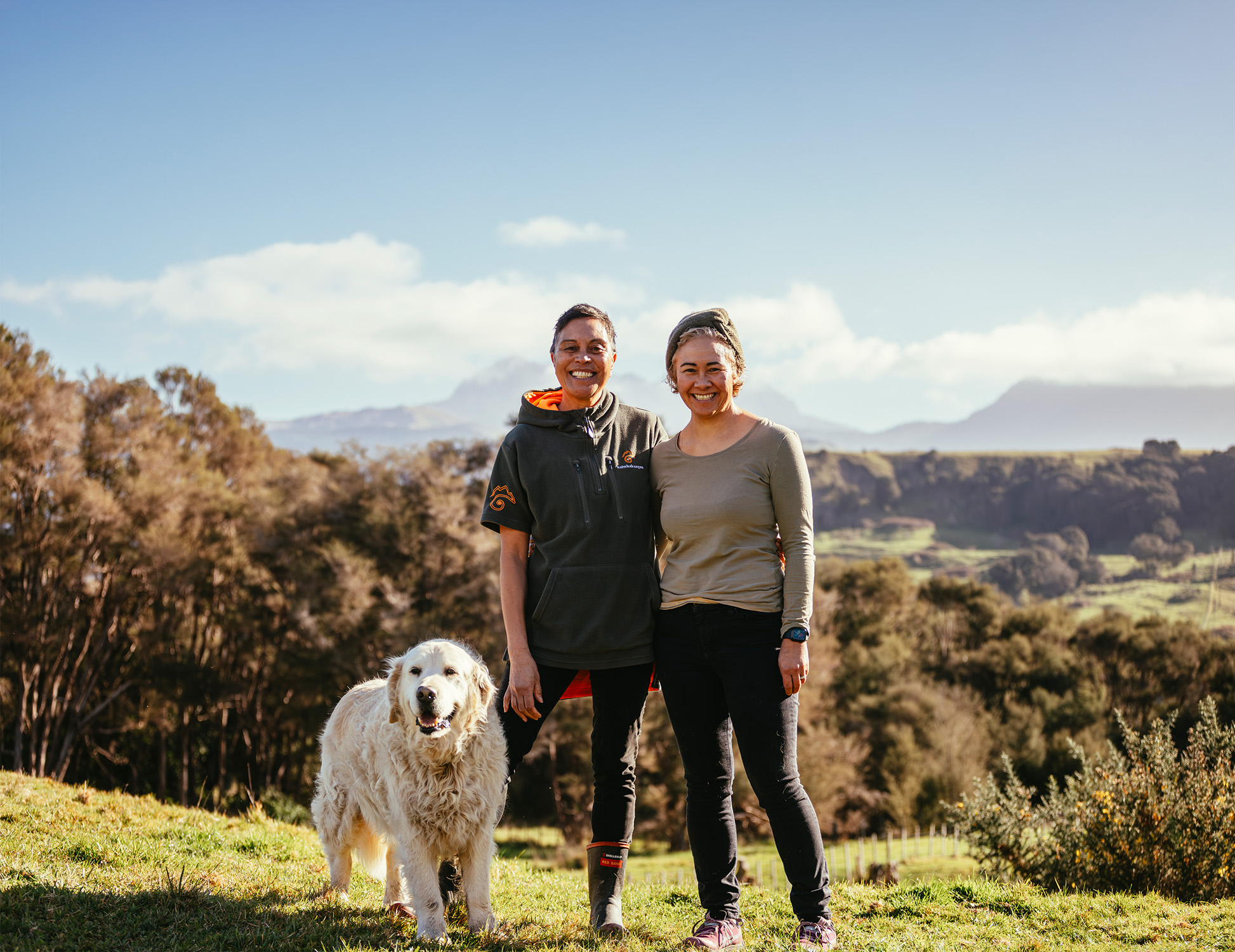
Episode 3: Opportunities across the value chain
Join Kairangahau Matua, Selai Letica as she highlights how we’re helping Māori landowners battle climate change and shifting markets to make decisions about transitioning their land into more sustainable and prosperous production.