
Our stories
-
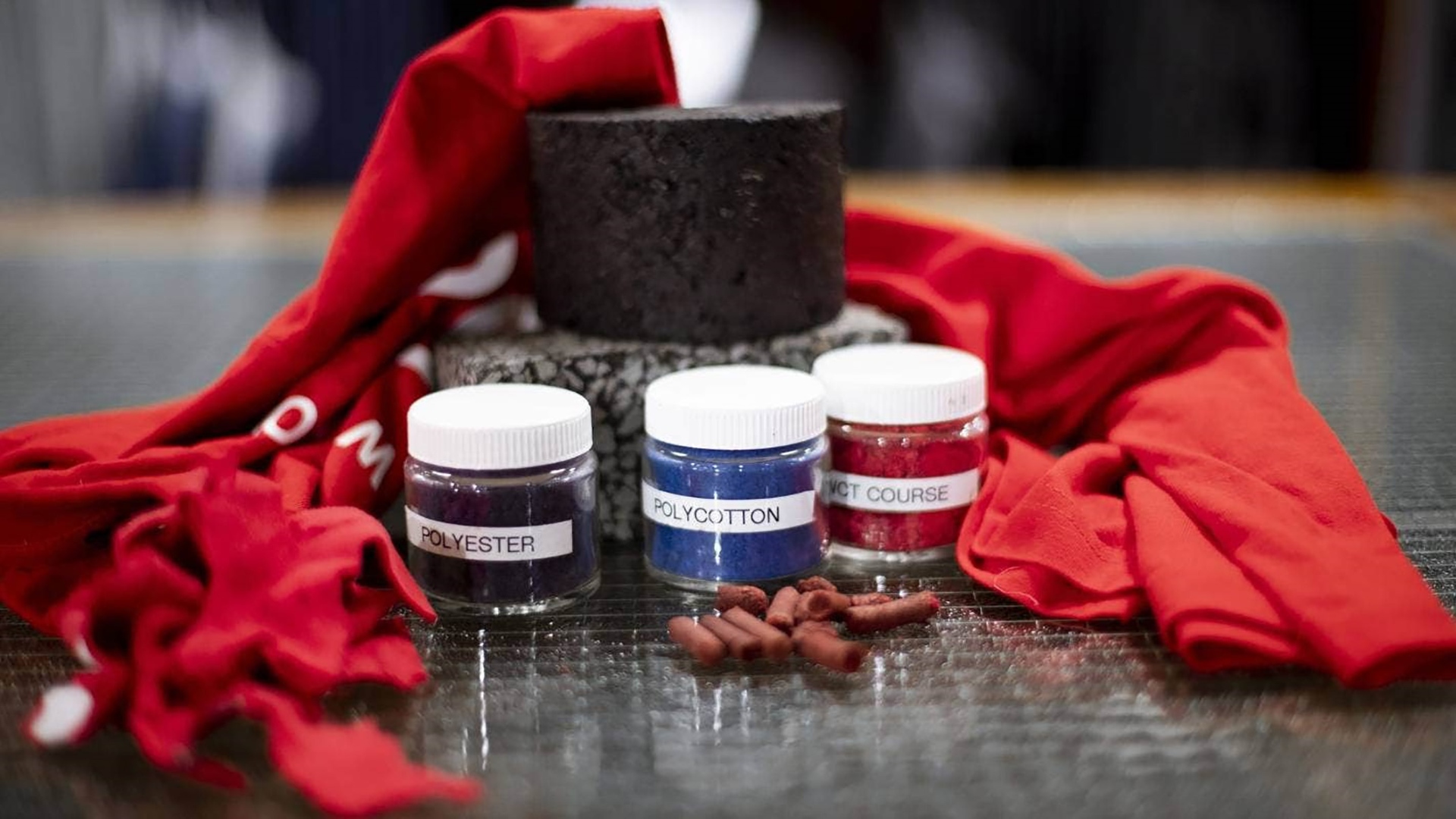
Reducing textile waste to save the planet
Every year, an estimated 100,000 tonnes of re-useable fibre ends up in New Zealand landfills,…- Materials from New Zealand
-

Building a biofuel future
For decades, New Zealand scientists have been looking at how to turn renewable forestry resources…- Powering New Zealand
-
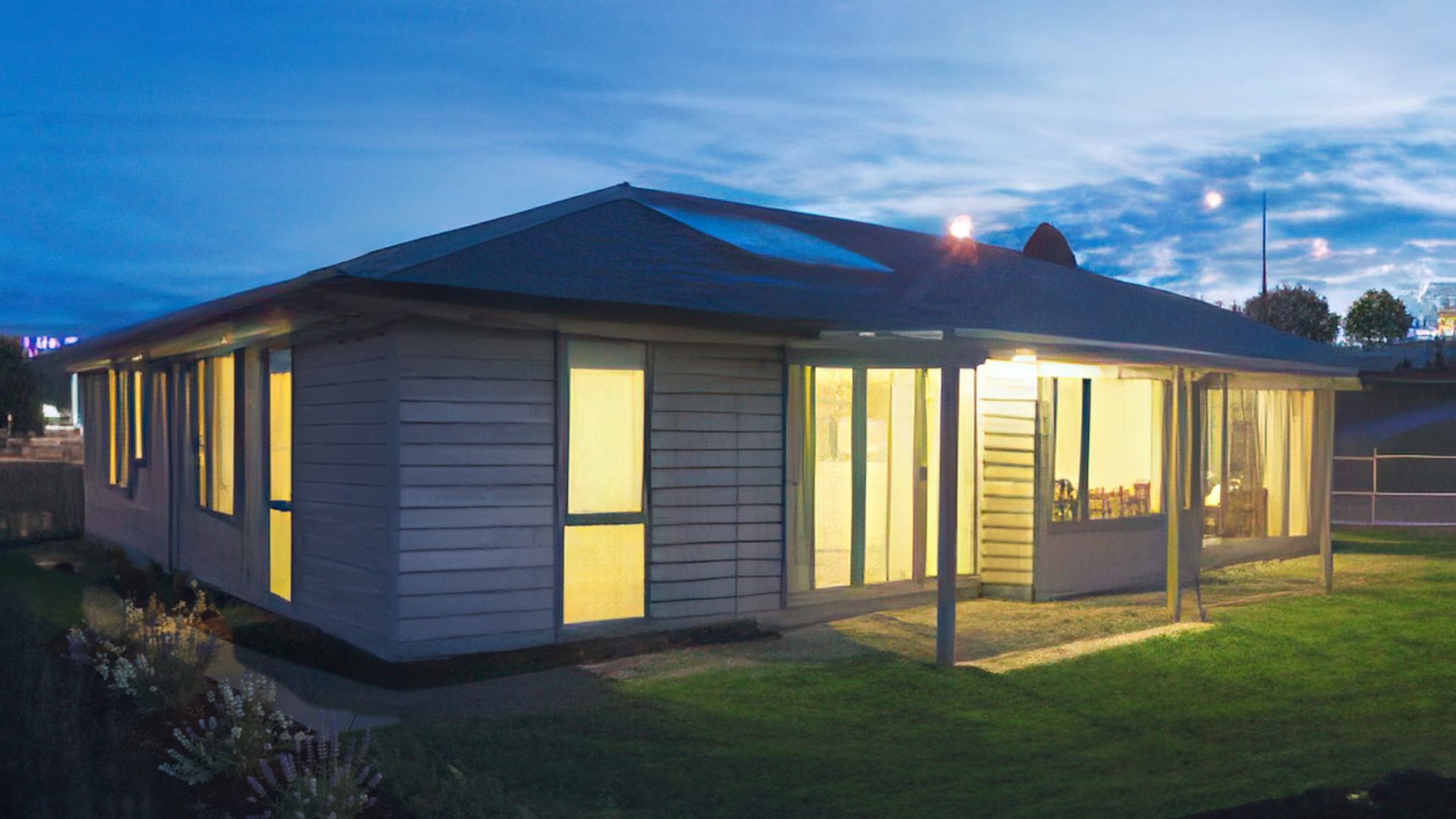
Using science to build healthy homes
For more than a century, New Zealand scientists have worked behind the scenes to make…- Protecting people
-
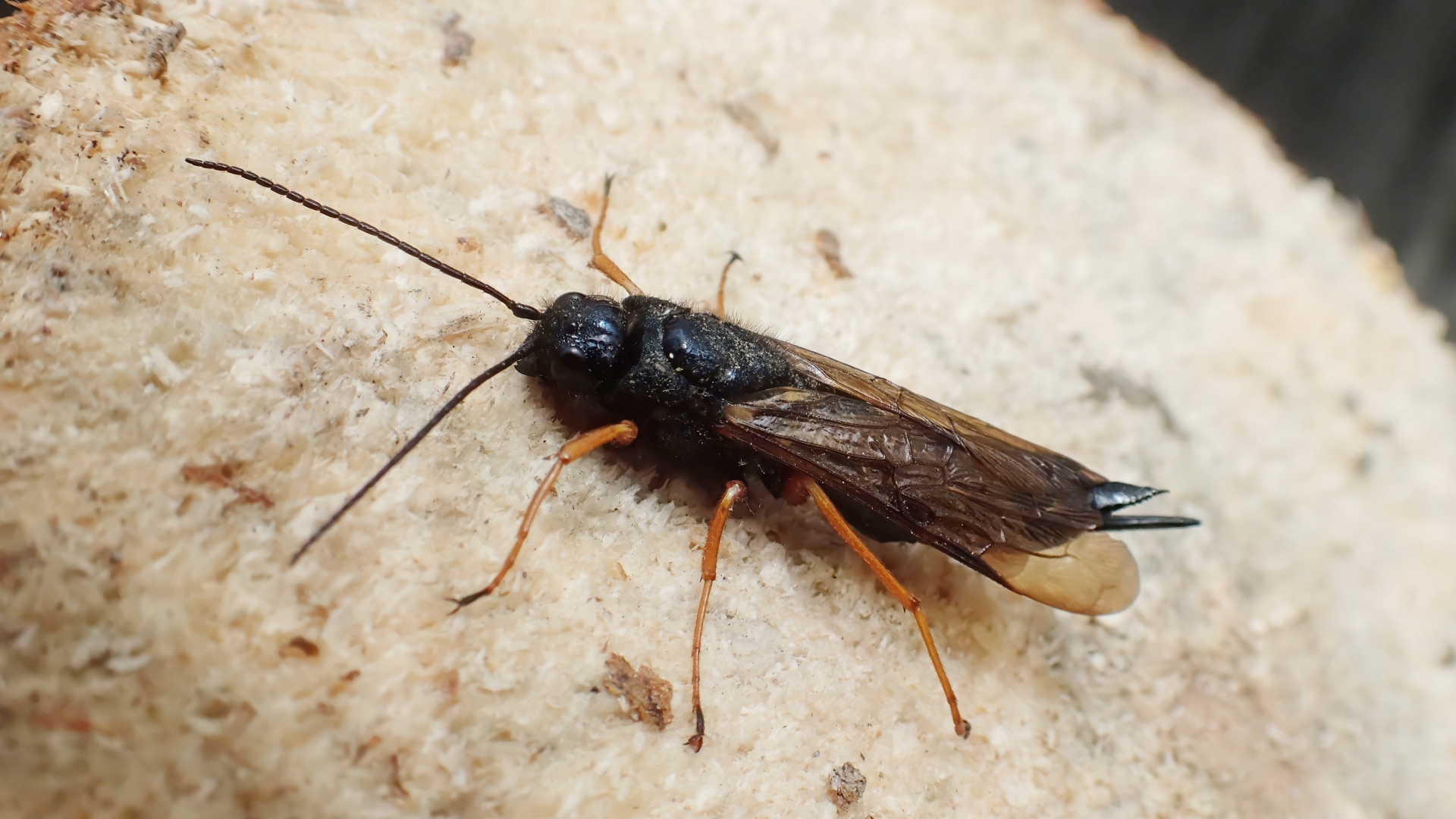
Taking the sting out of wood wasps
Since the early 1960s, science has played a key role in protecting New Zealand’s forests…- Protecting New Zealand
-
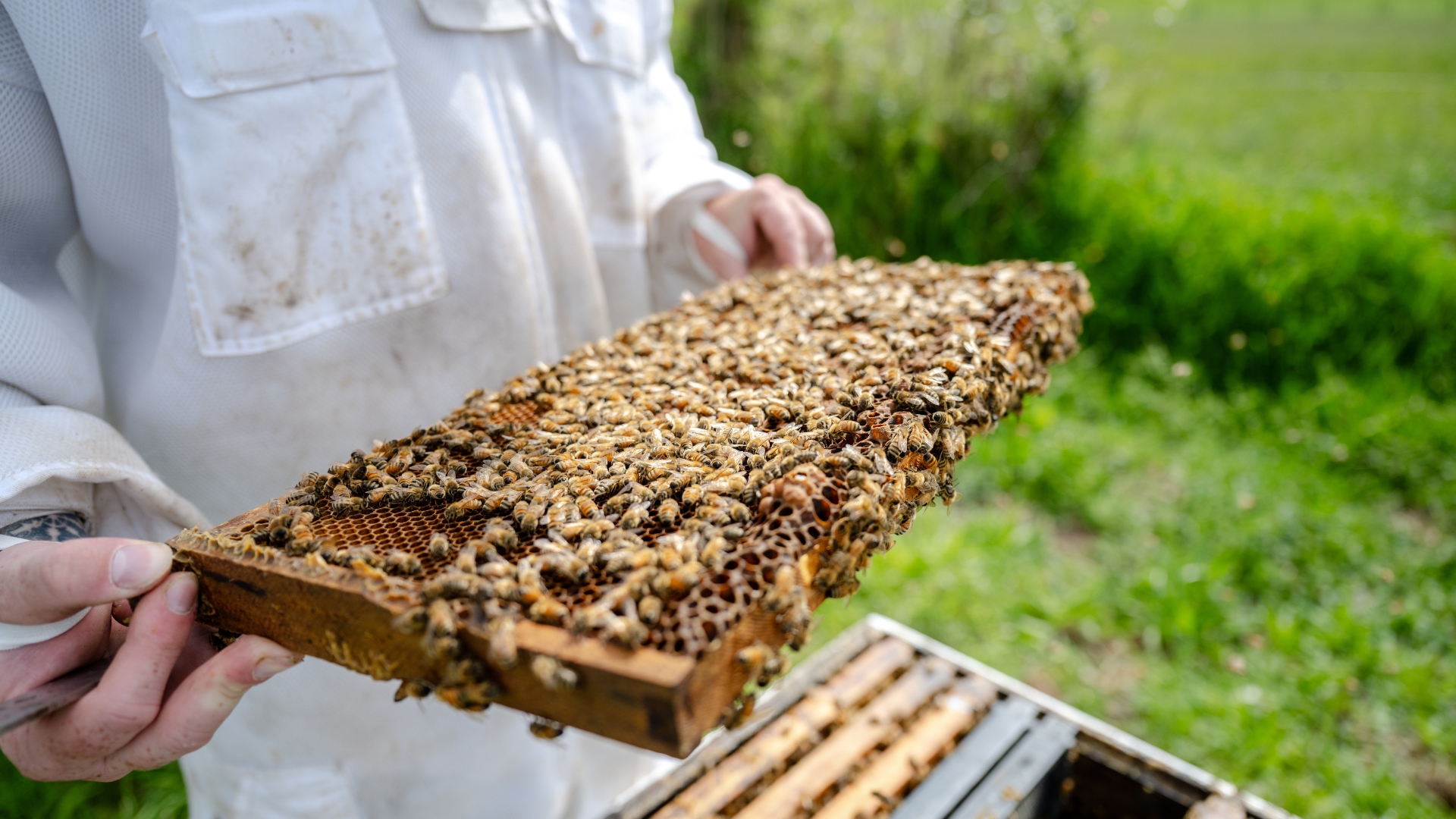
Science for healthy honeybees
Aotearoa New Zealand’s honey exports generate around $425 million annually, but honey bees contribute far…- Conserving New Zealand
-
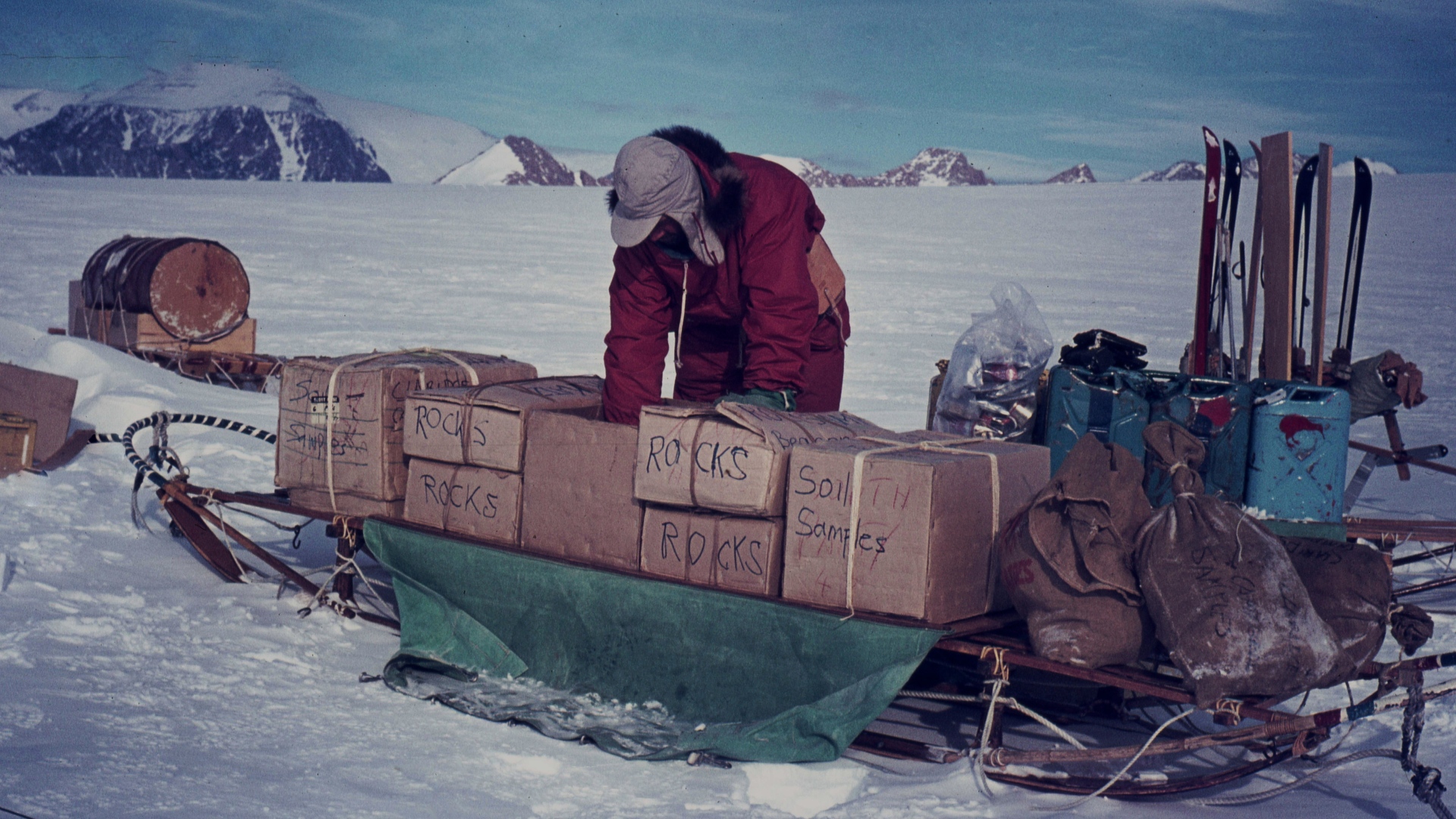
Frozen assets
New Zealand’s presence in Antarctica is a vital expression of our role as one of…- Global citizen
-
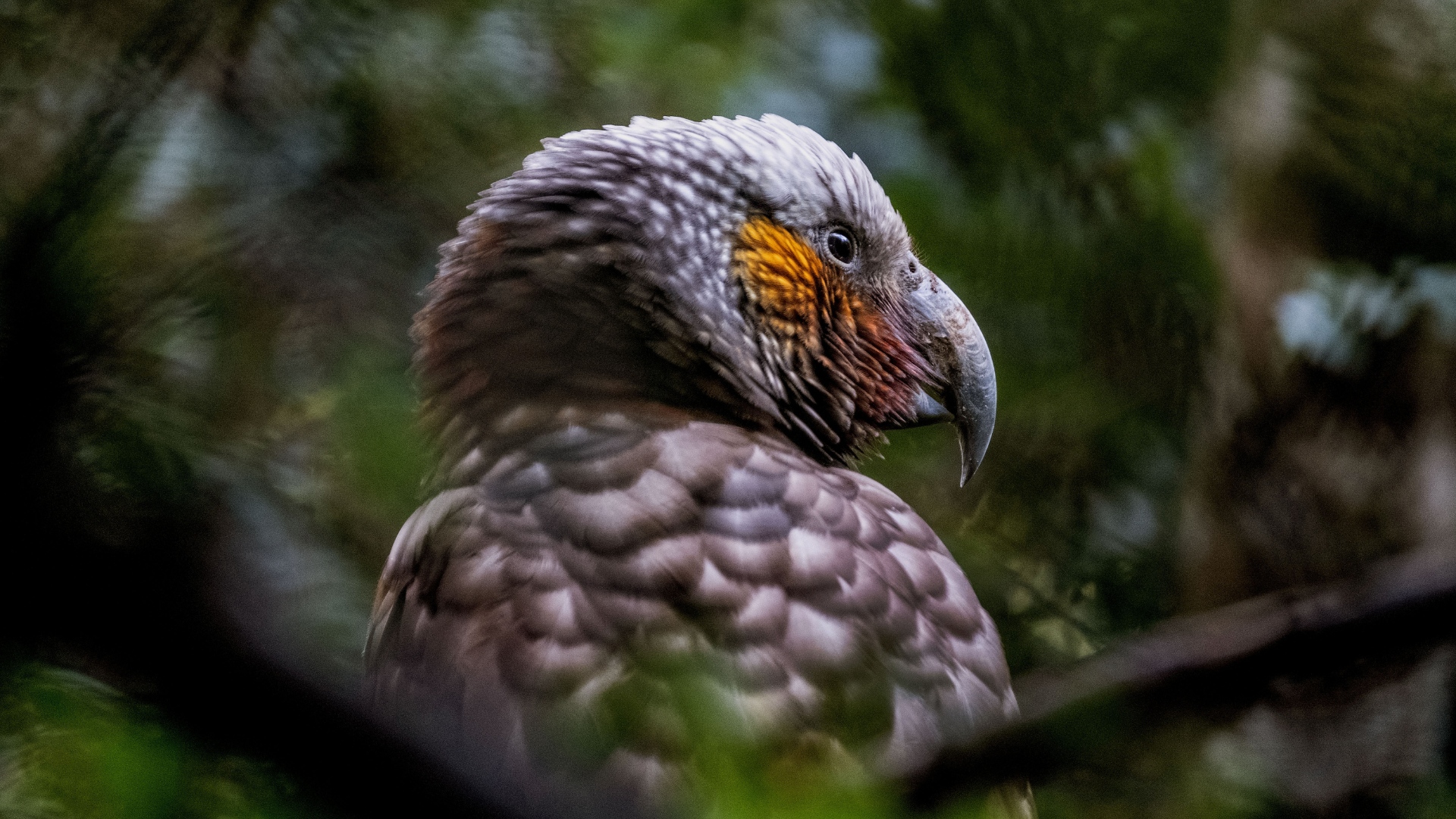
Conserving our iconic birds
New Zealand’s iconic endemic birds – found nowhere else on earth – include many critically…- Conserving New Zealand
-
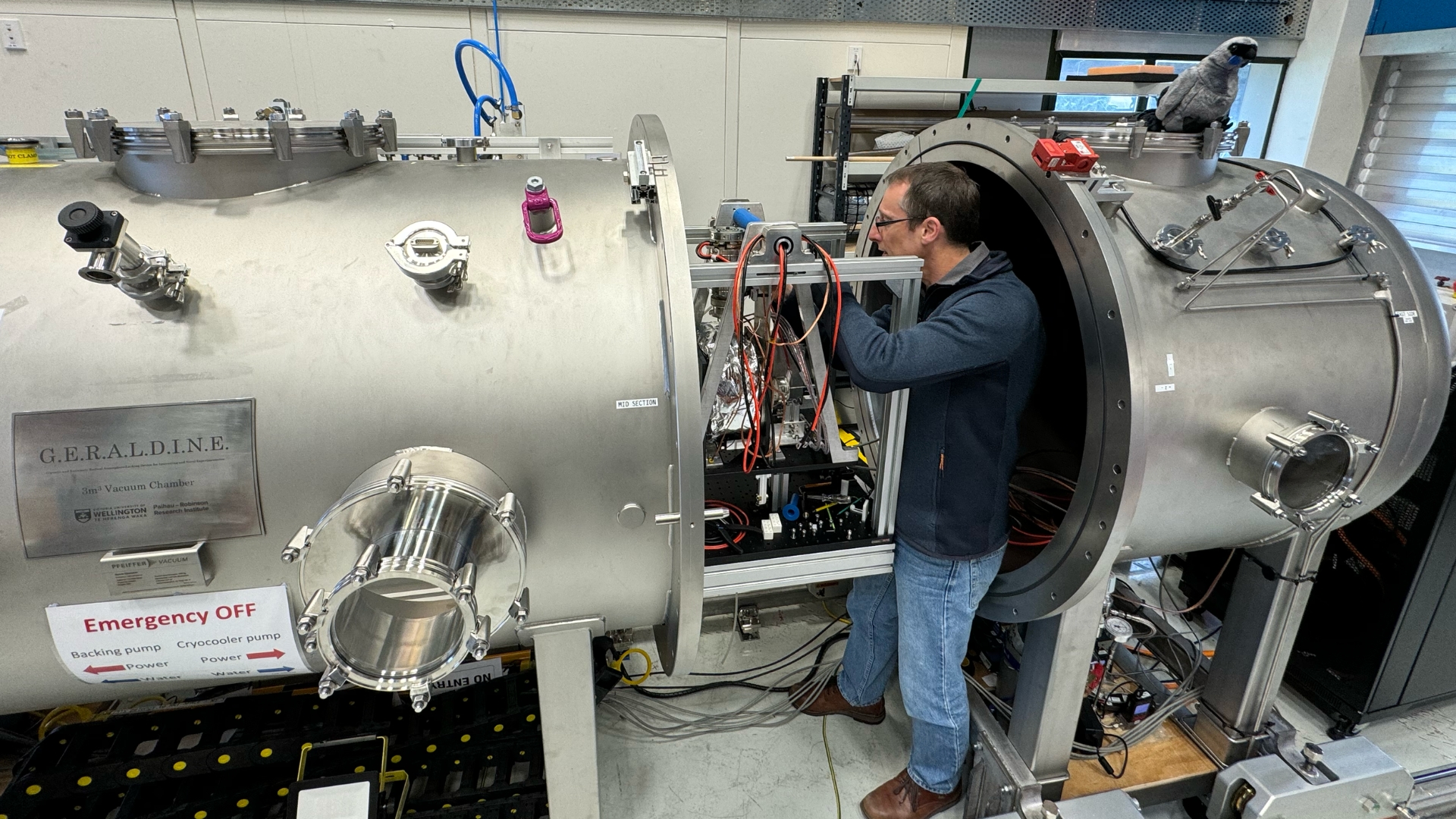
Superconductors in space
In the 1980s, scientists began working with a class of materials that conduct electricity with…- Materials from New Zealand
-
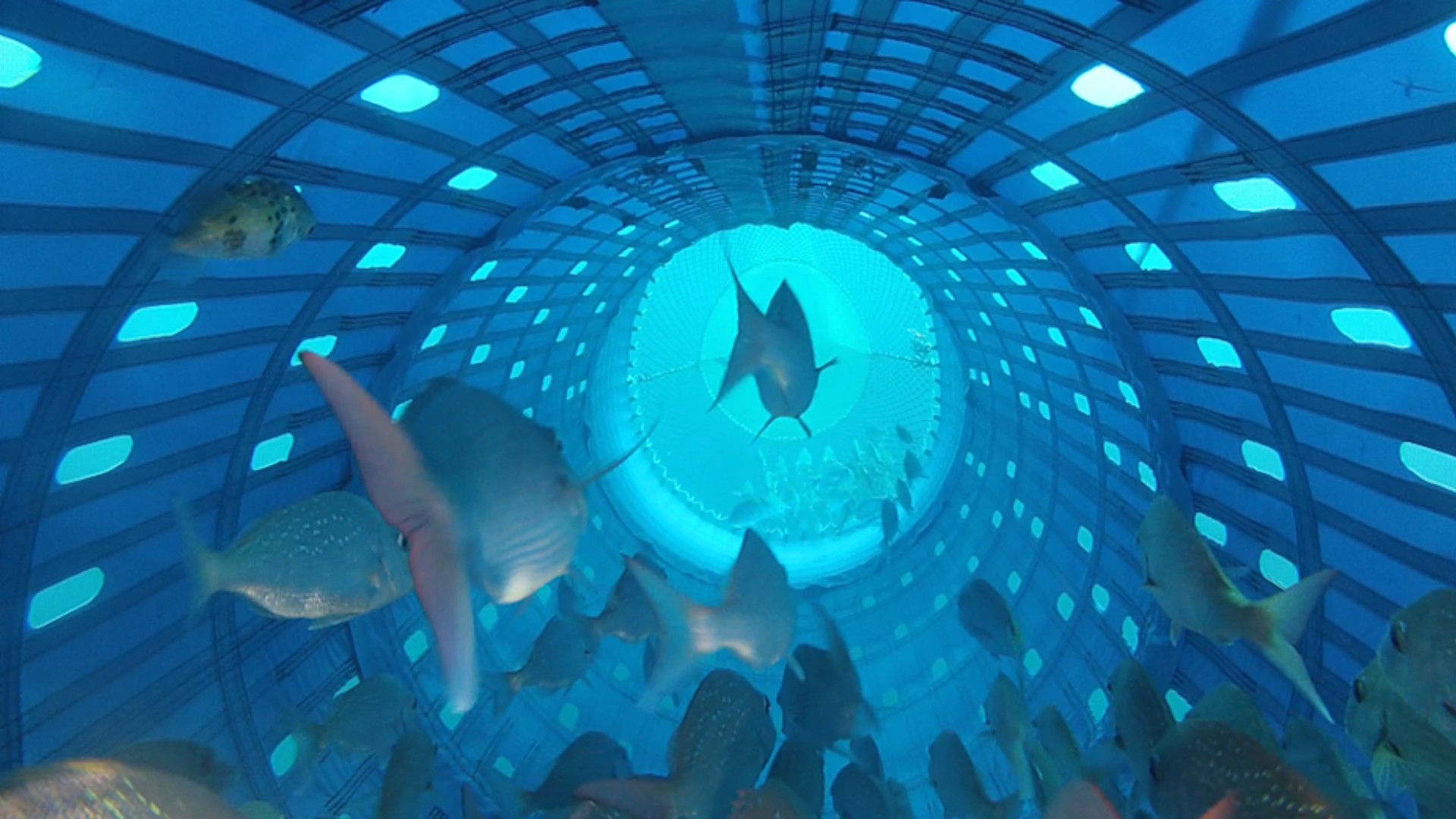
Changing the way the world fishes
About 70% of New Zealand’s commercial fish harvest is caught using trawlers. The seafood industry…- Feeding people
-

Keeping forest workers safe
Forestry is one of New Zealand’s most difficult and dangerous industries. The complex nature of…- Protecting people
-
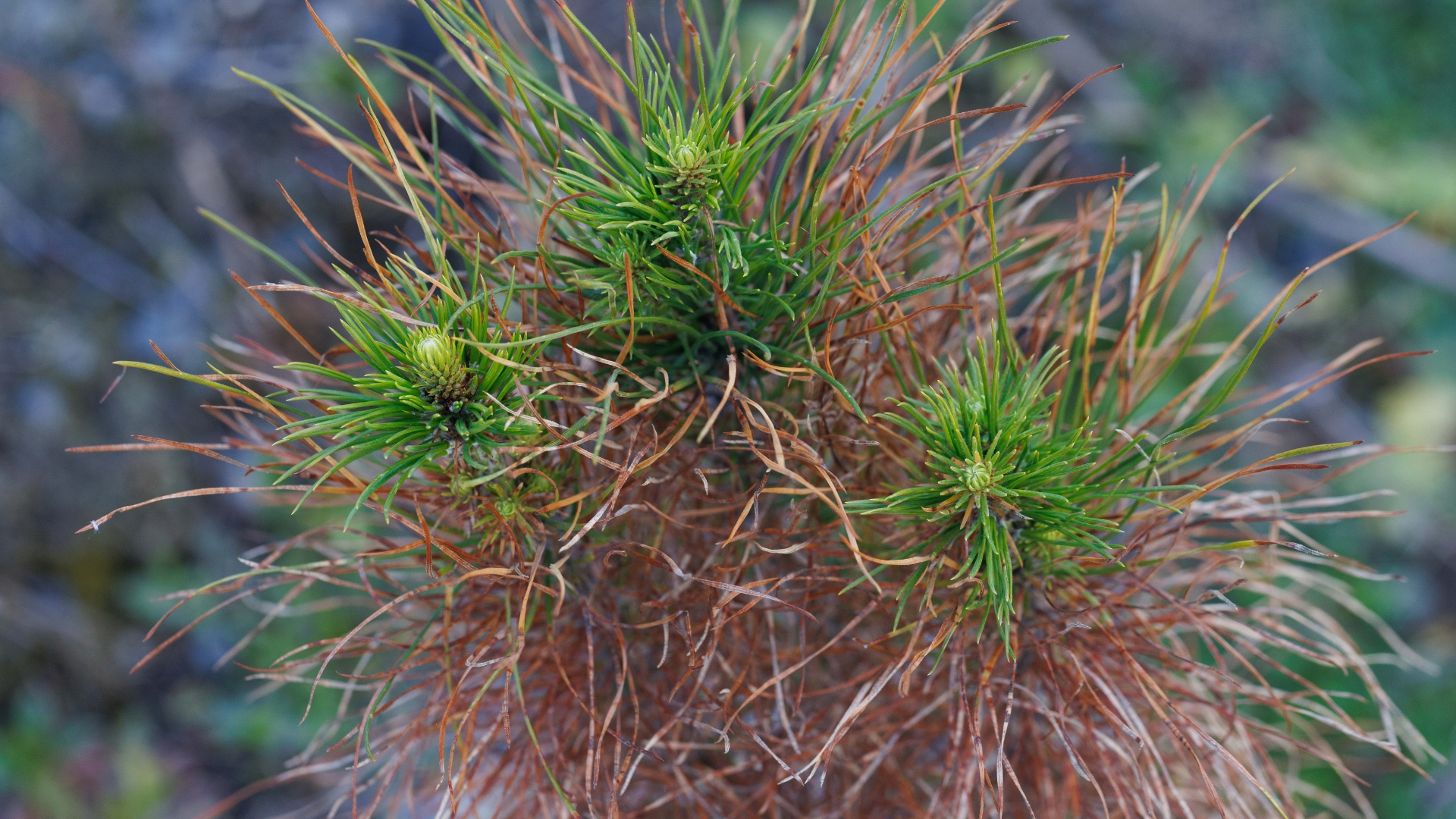
Fighting a forest foe for generations
For more than 100 years, New Zealand scientists have been protecting our forests from diseases…- Protecting New Zealand
-
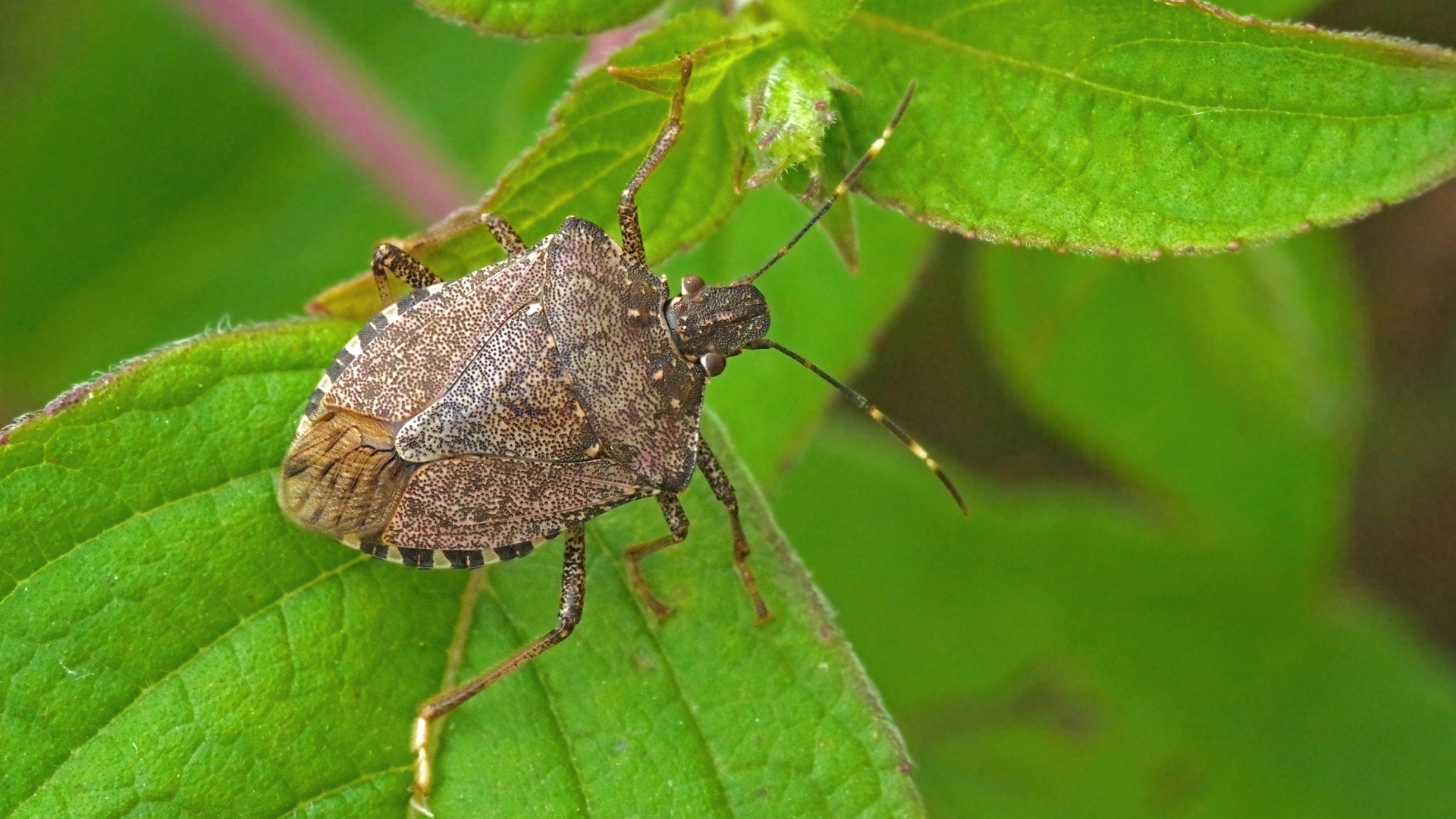
Eradicating insect pests at first sight
When a pest or pathogen breaches the border, New Zealand’s response is guided by world…- Protecting New Zealand
-
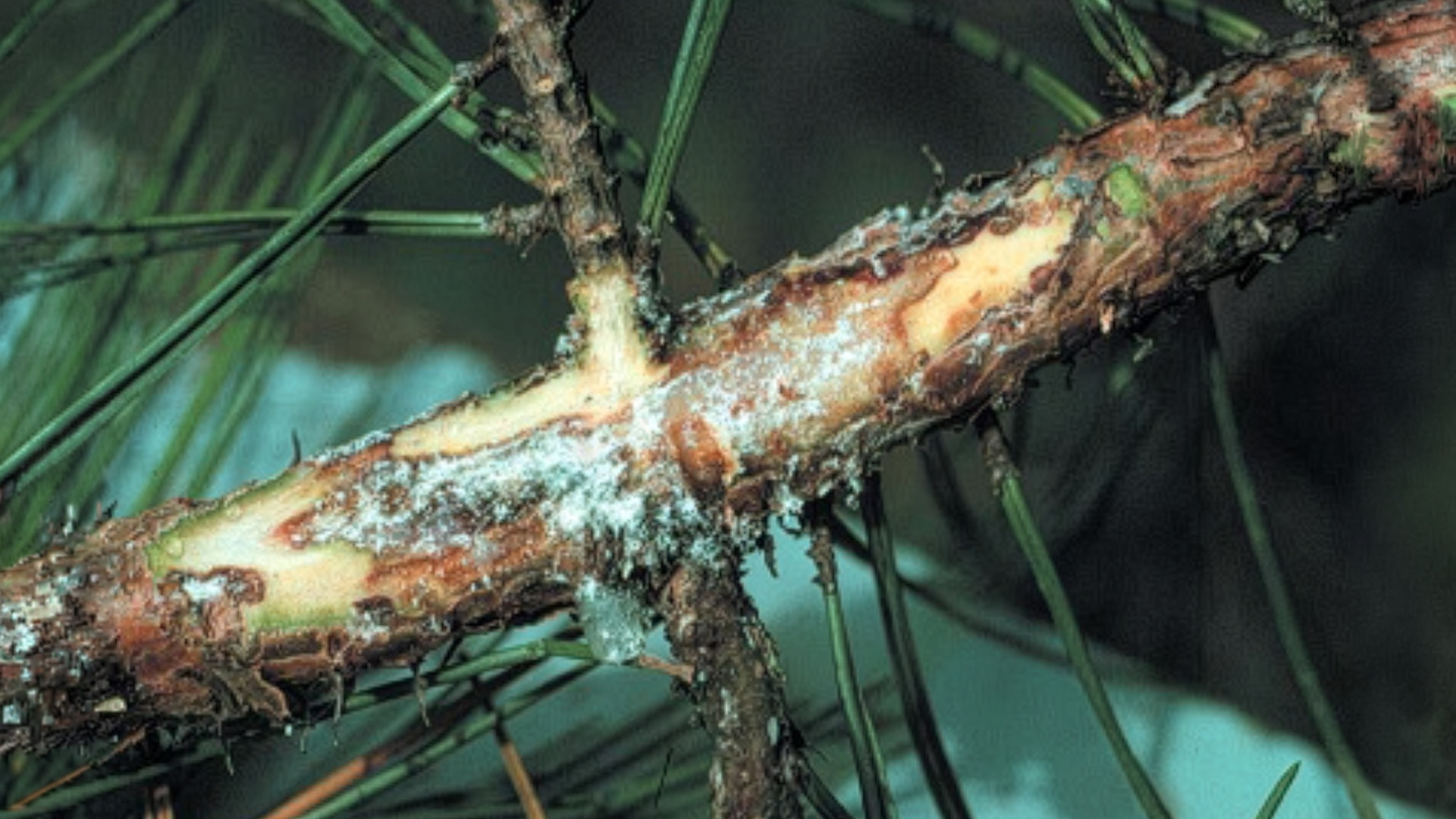
Stopping tiny hitchhikers
With thousands of people and goods arriving in New Zealand each year from around the world, it’s vital to ensure no…- Protecting New Zealand
-
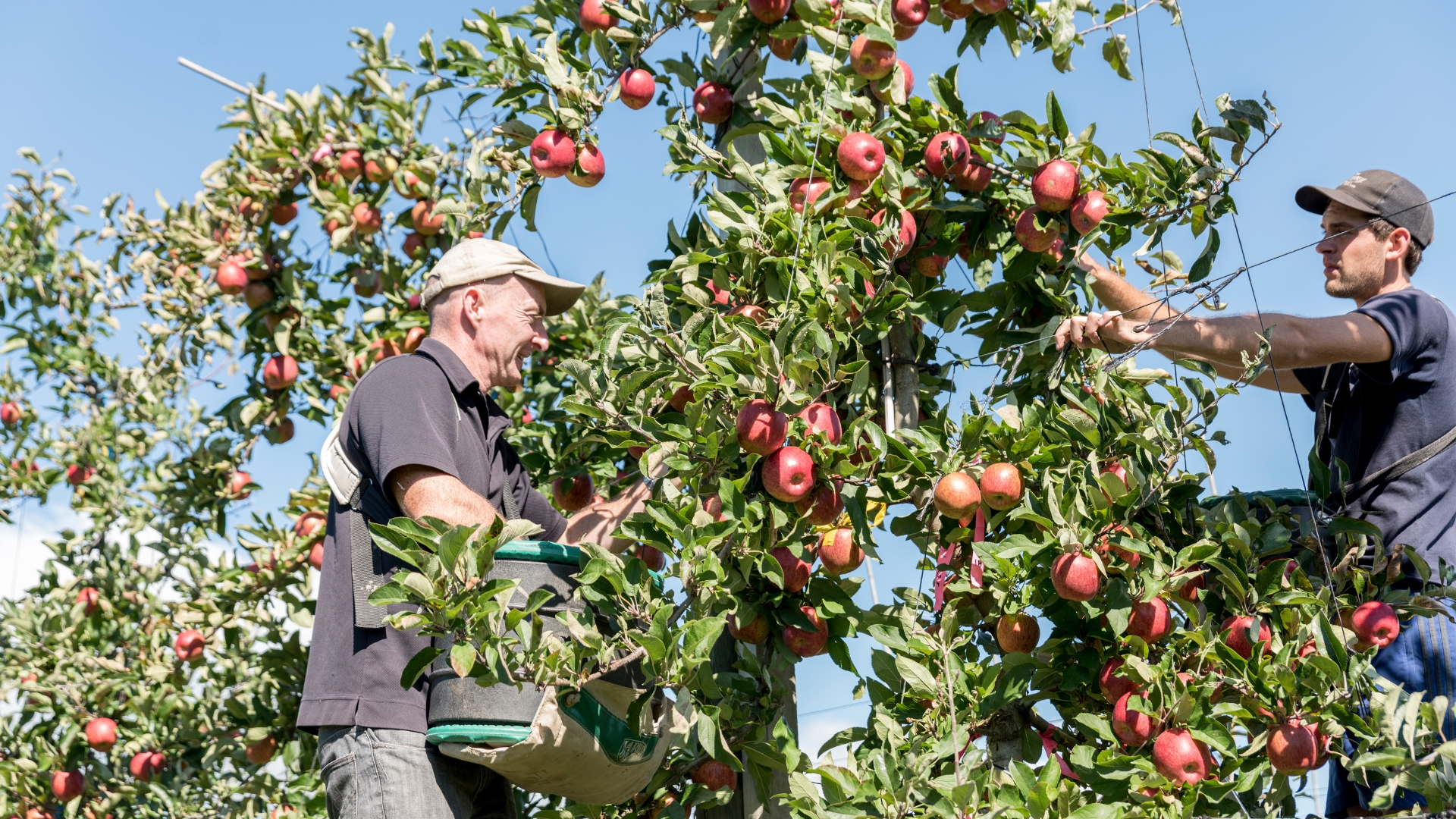
New Zealand apples on the world stage
In your fruit bowl, you're likely to have an apple that was bred on a…- Feeding people
-
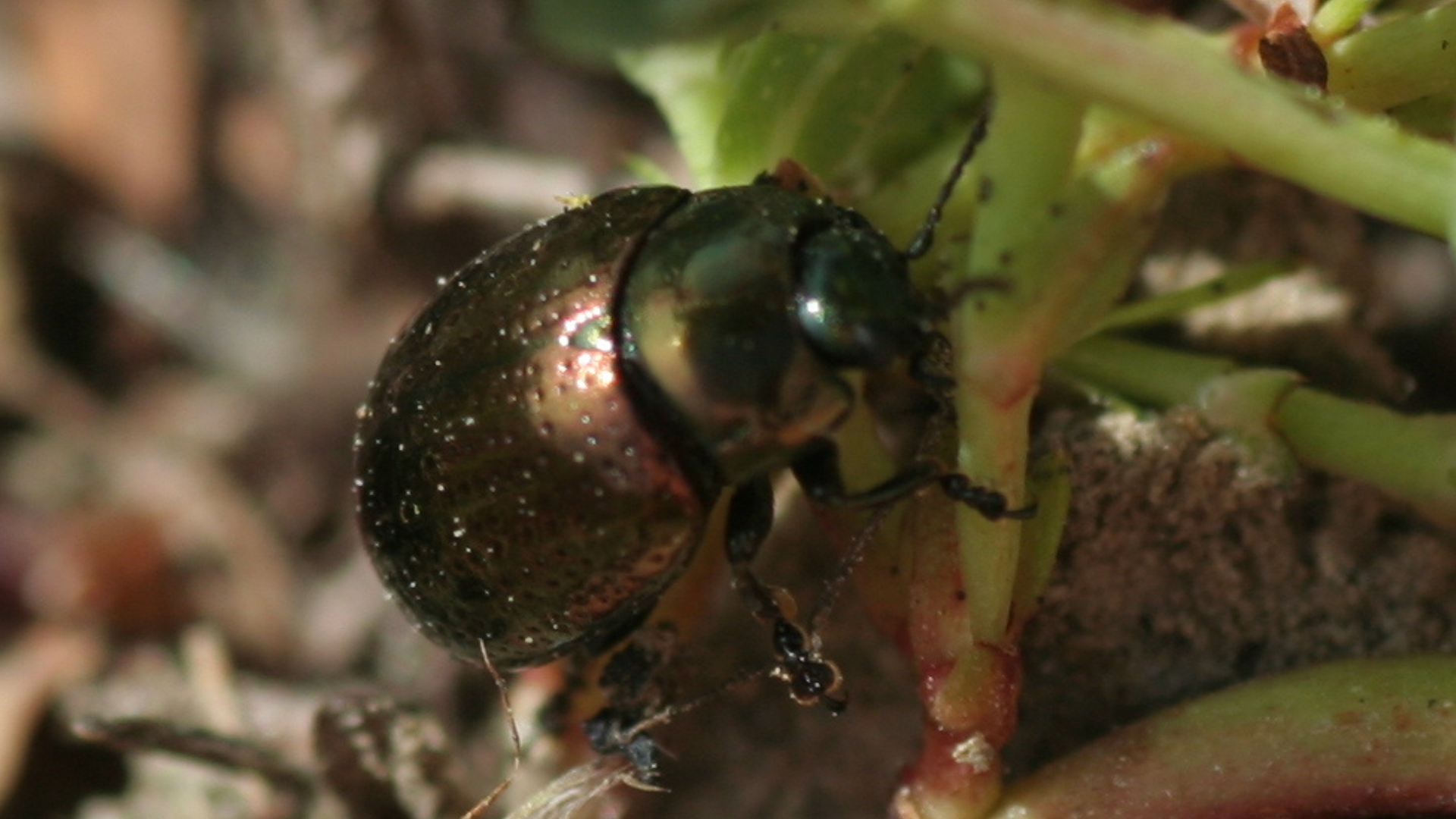
Defending New Zealand from invasive weeds
From hill country pastures to fragile native ecosystems, invasive weeds are a quiet but relentless…- Protecting New Zealand
-
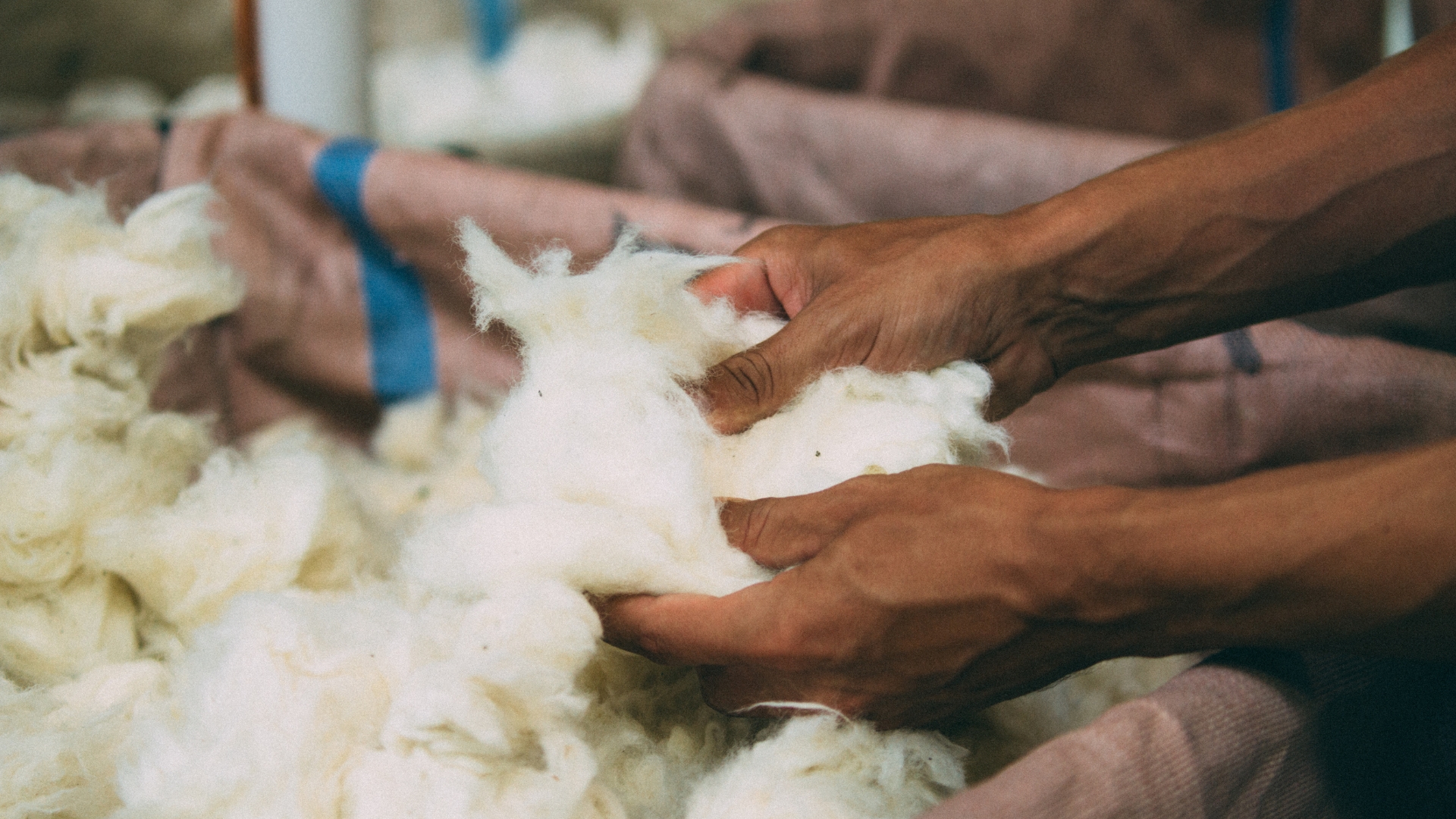
Unravelling the benefits of wool
Wool is an extremely versatile fibre and has been a core component of New Zealand’s…- Materials from New Zealand
-
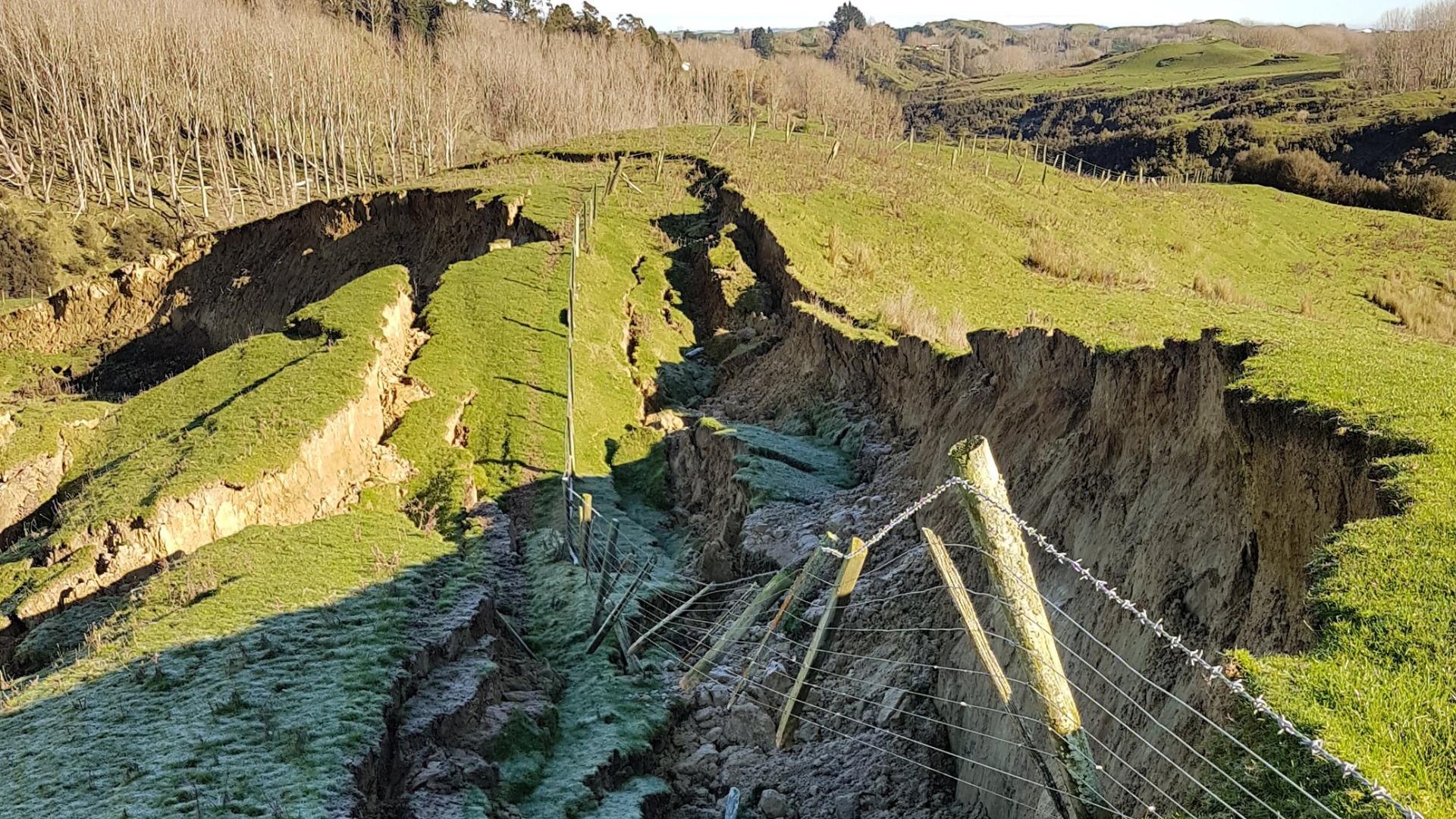
Soils on the move
As well as foundational soil science and mapping, scientists have decades of expertise in soil…- Understanding New Zealand
-
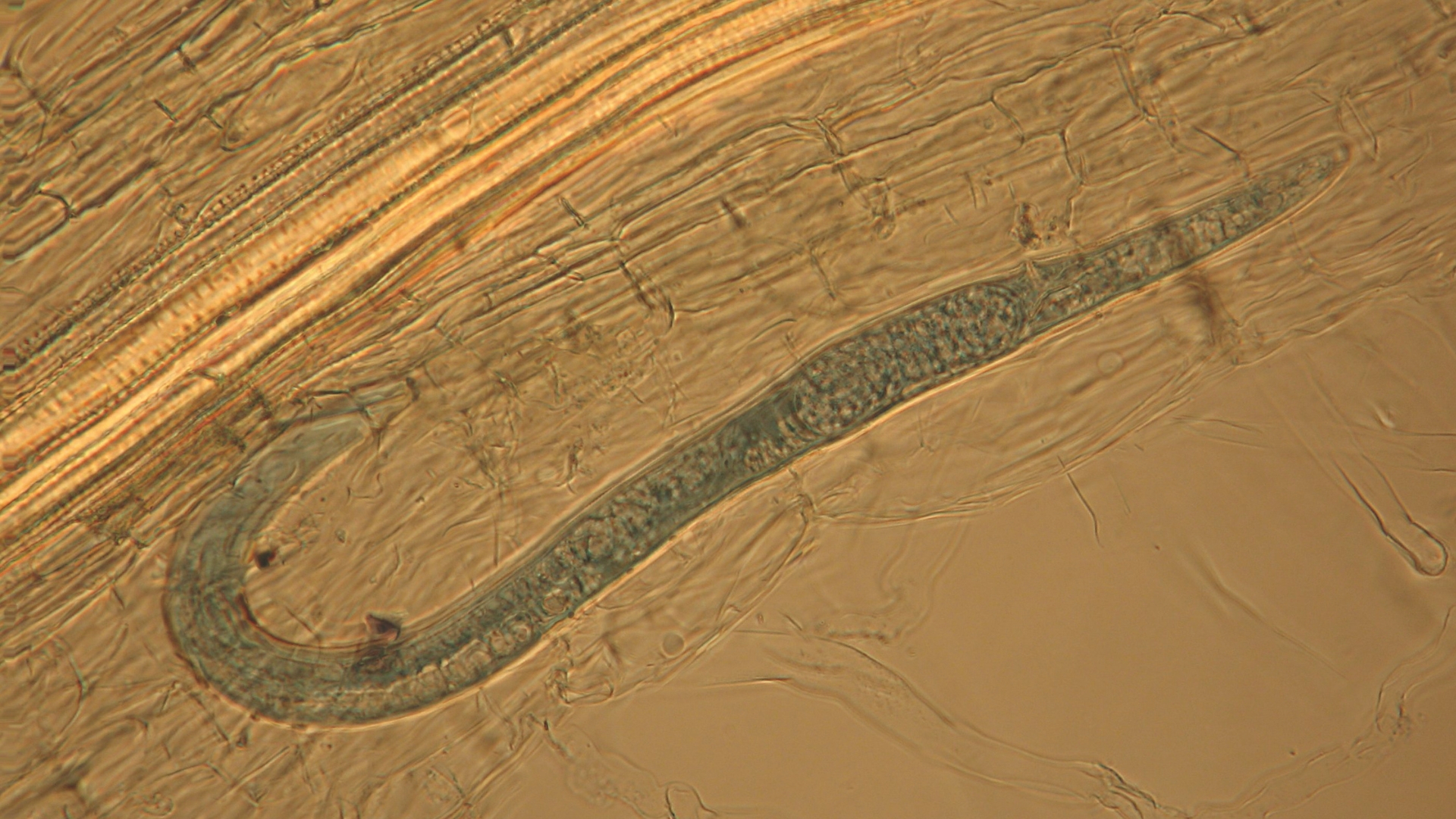
Fighting against parasite resistance
For nearly two decades, scientists have warned that drench resistance would become a major threat,…- Feeding people
-
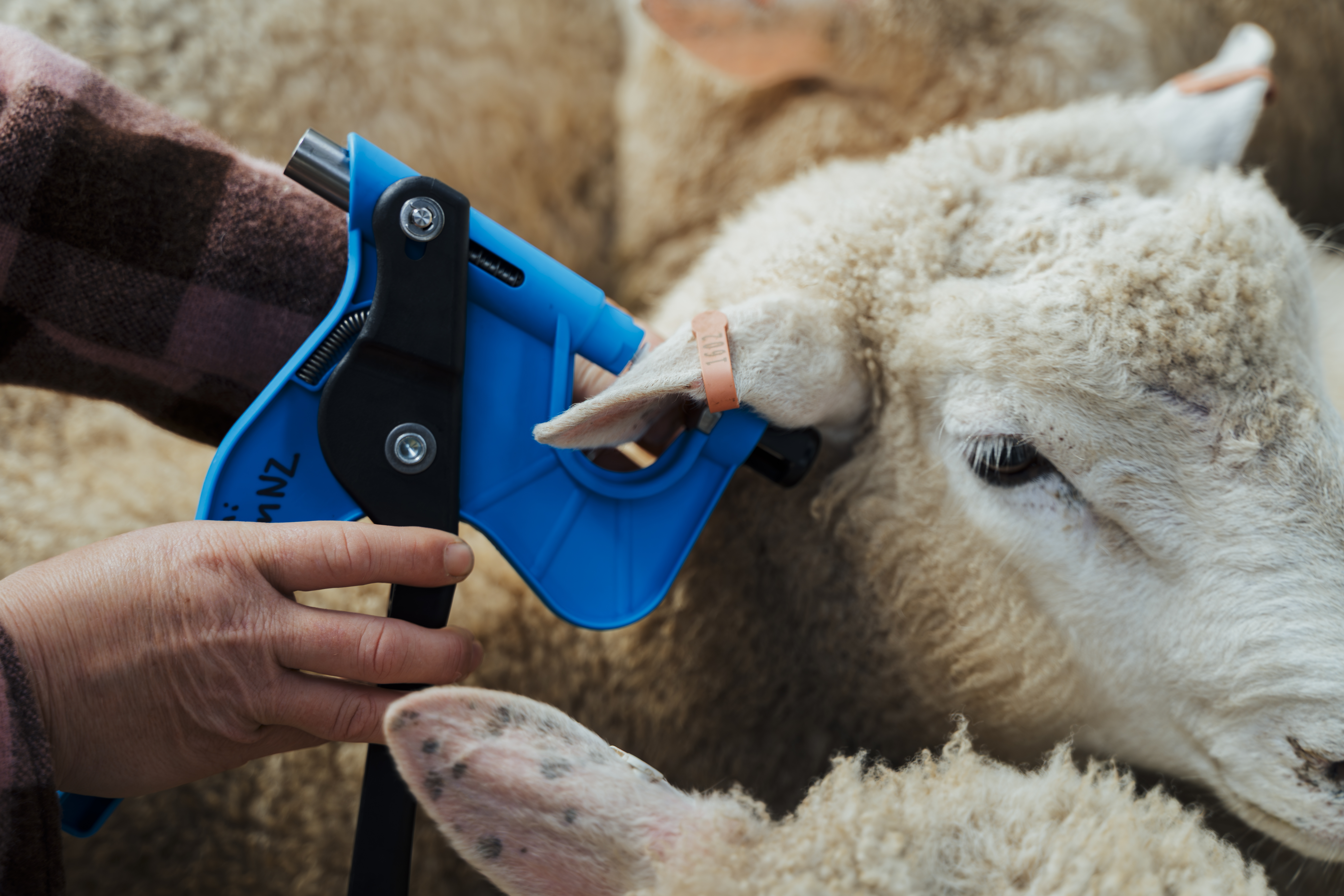
Genetic gains in livestock breeding
Science is the driving force behind the remarkable gains in New Zealand’s livestock productivity and…- Feeding people
-
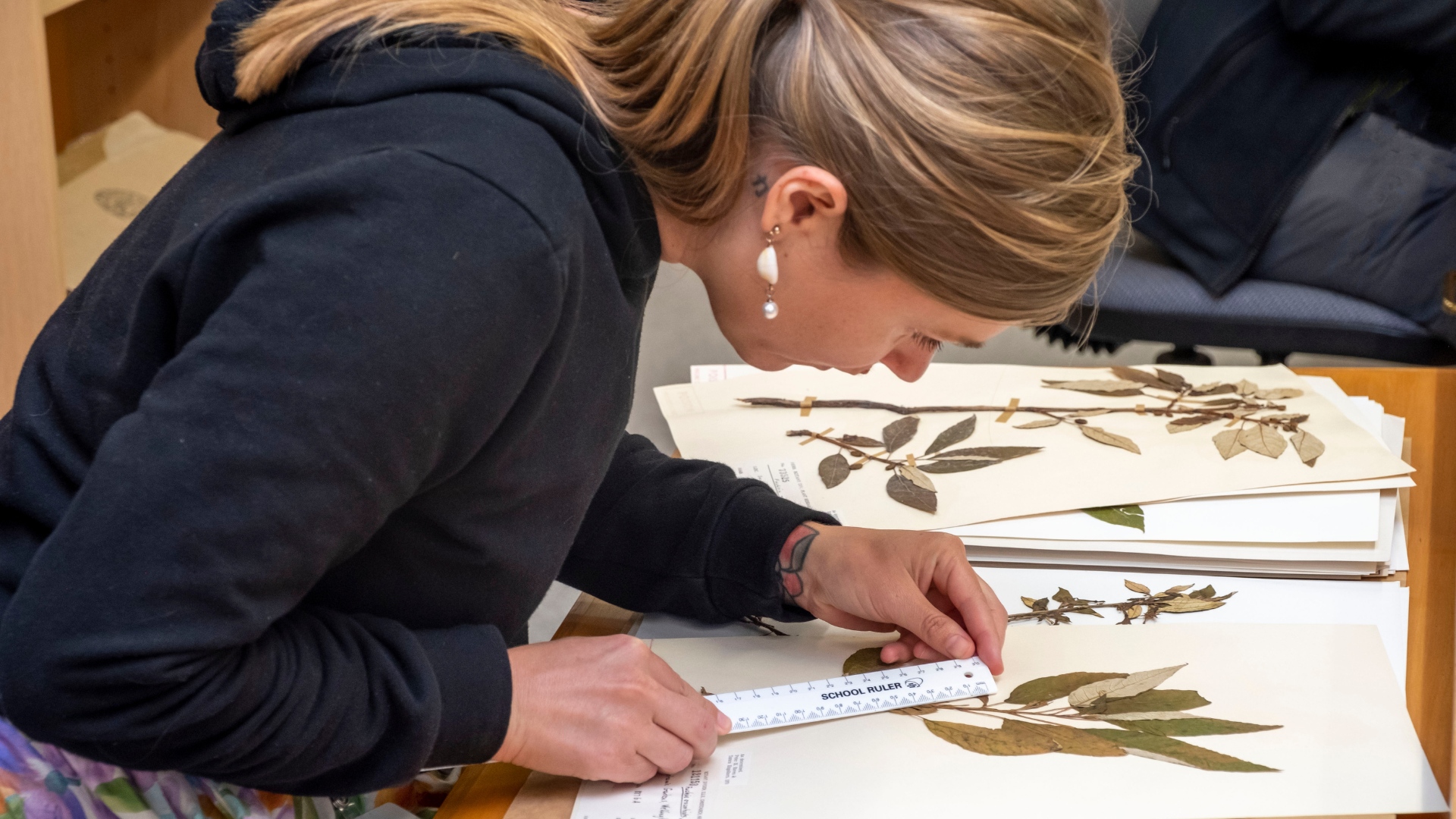
The botanical backbone of a nation
In 1928, a young botanist named Harry Howard Barton Allan began assembling plant specimens in…- Understanding New Zealand
-
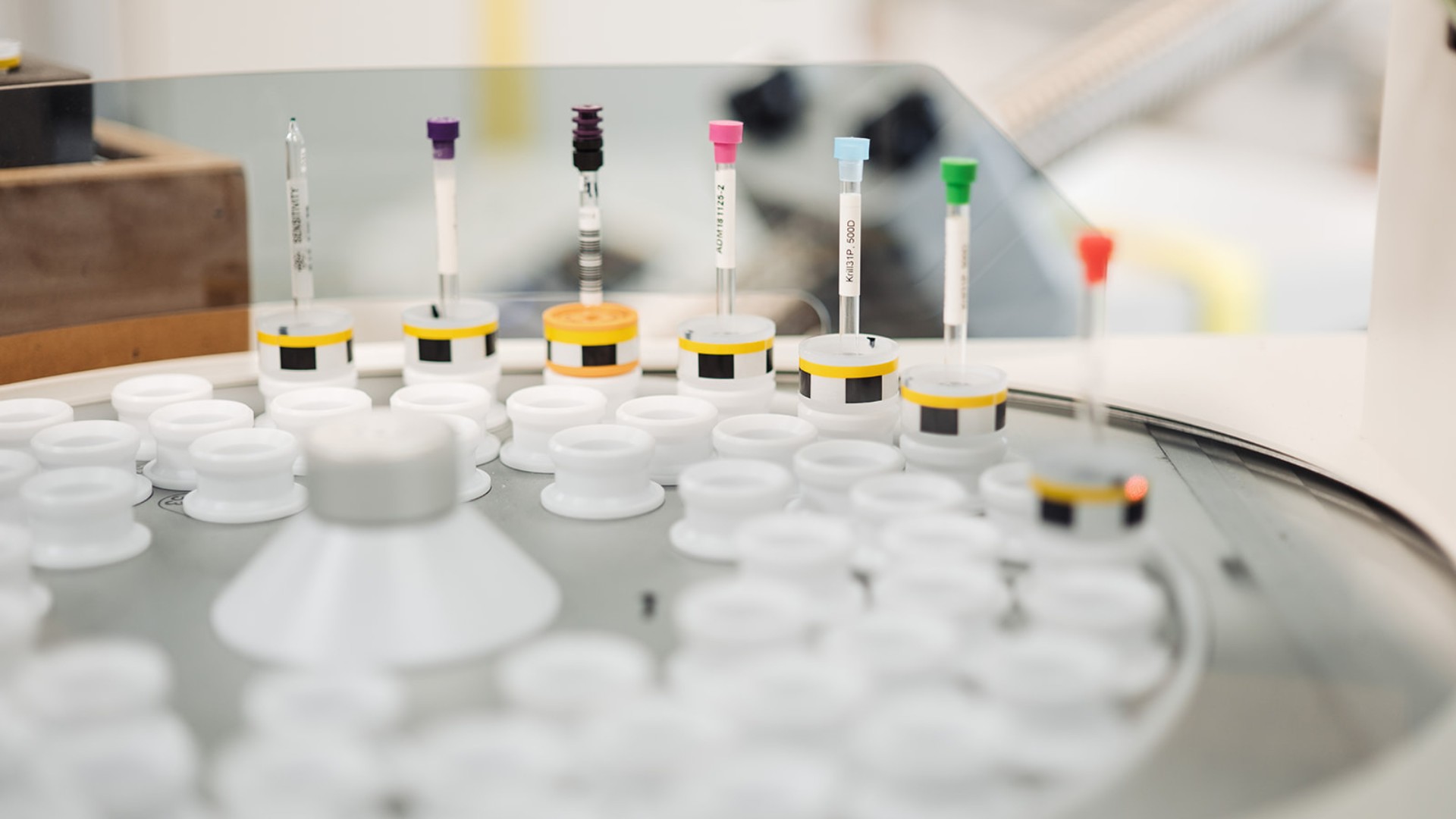
Detecting food fraud
Six times more mānuka honey is sold globally than is produced in New Zealand. The…- Feeding people
-
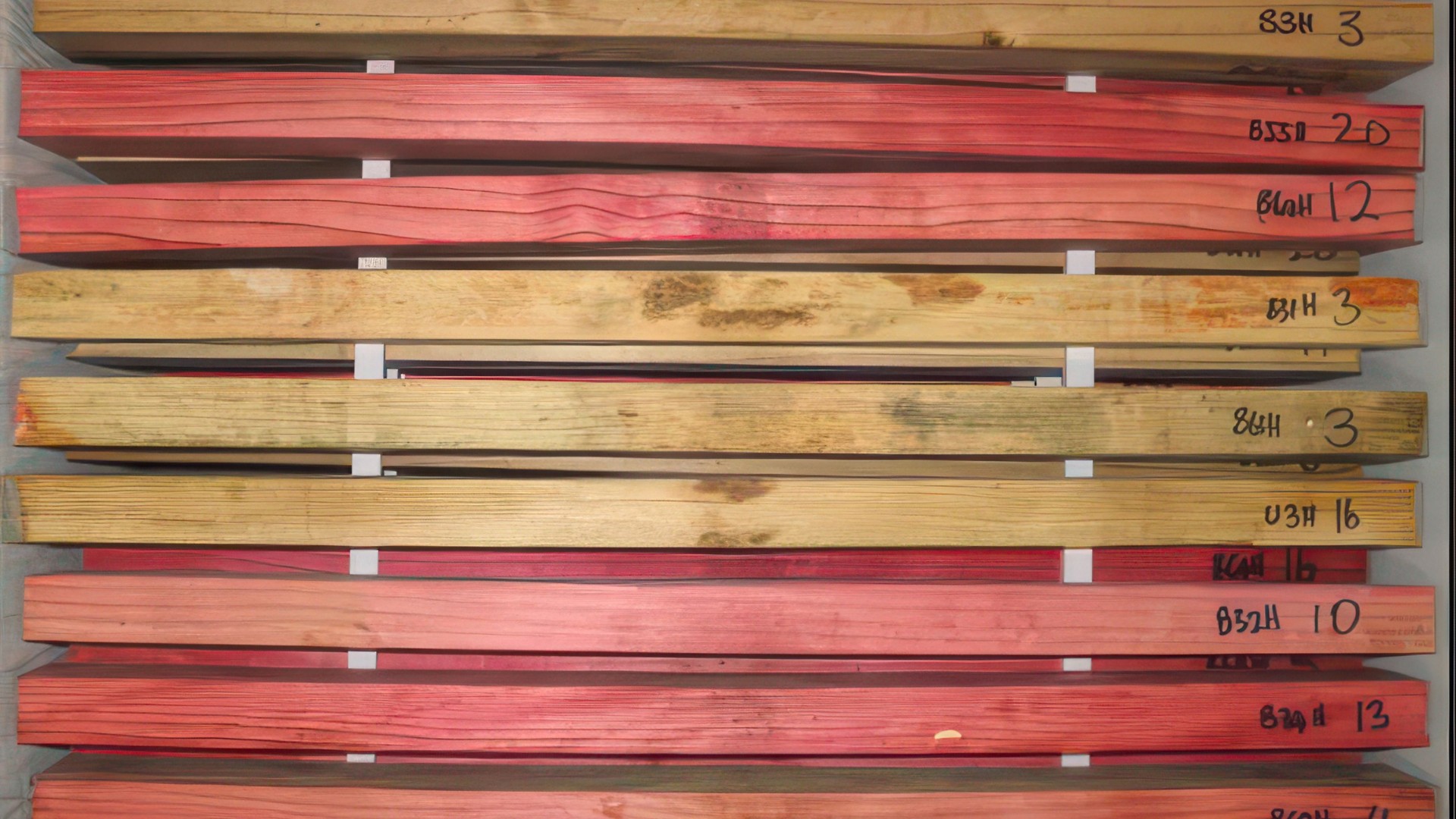
How science has changed timber building in New Zealand
Walk through almost any modern New Zealand home and you’ll find H1.2 boron treated timber…- Materials from New Zealand
-
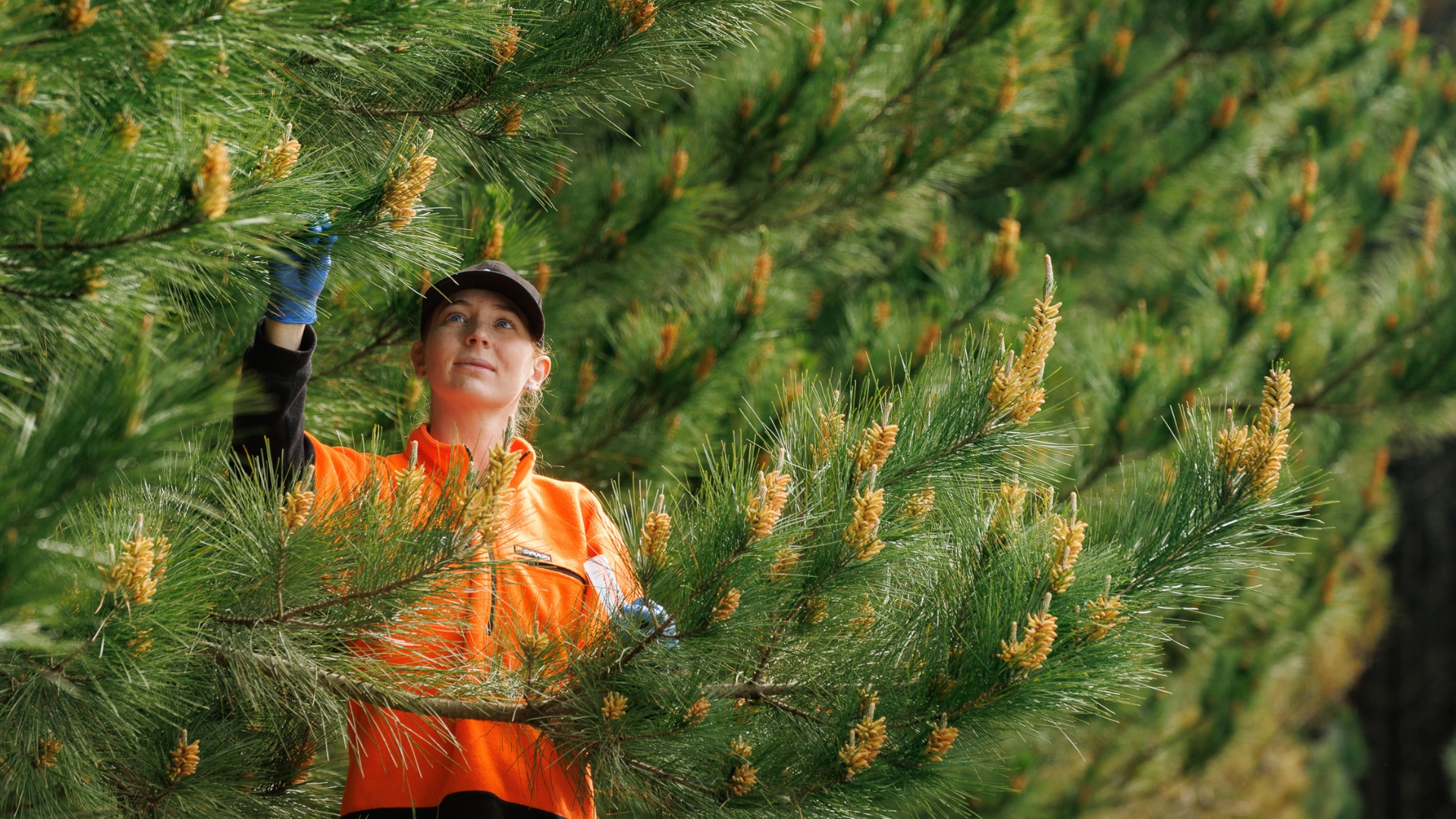
A century of forest innovation
Forest science in New Zealand has been reshaping how the world grows trees for more…- Materials from New Zealand
-
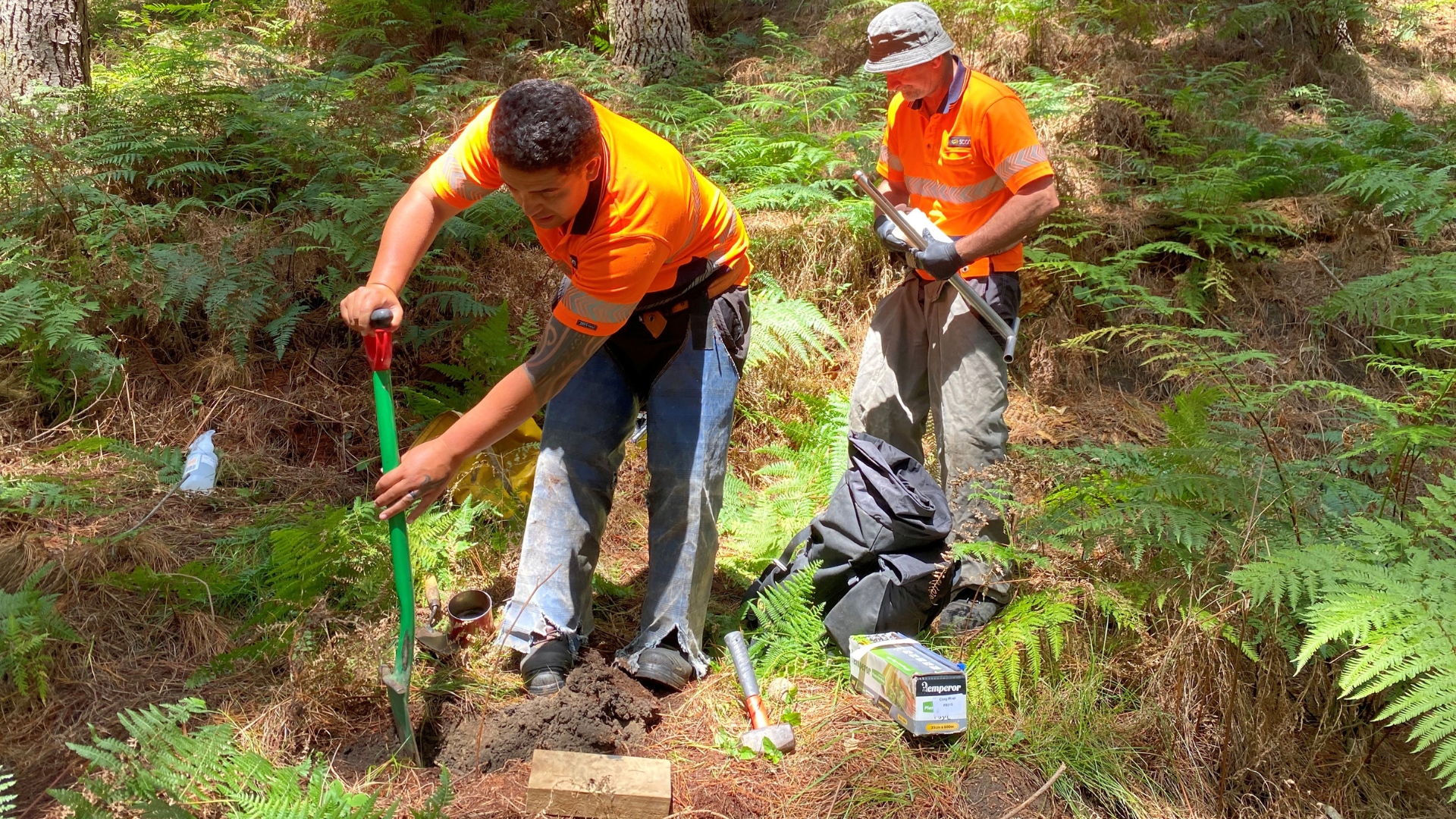
Shaping smarter land use decisions for New Zealand
For nearly 30 years, the Pakuratahi land-use study has compared forestry and pastoral farming across…- Conserving New Zealand
-
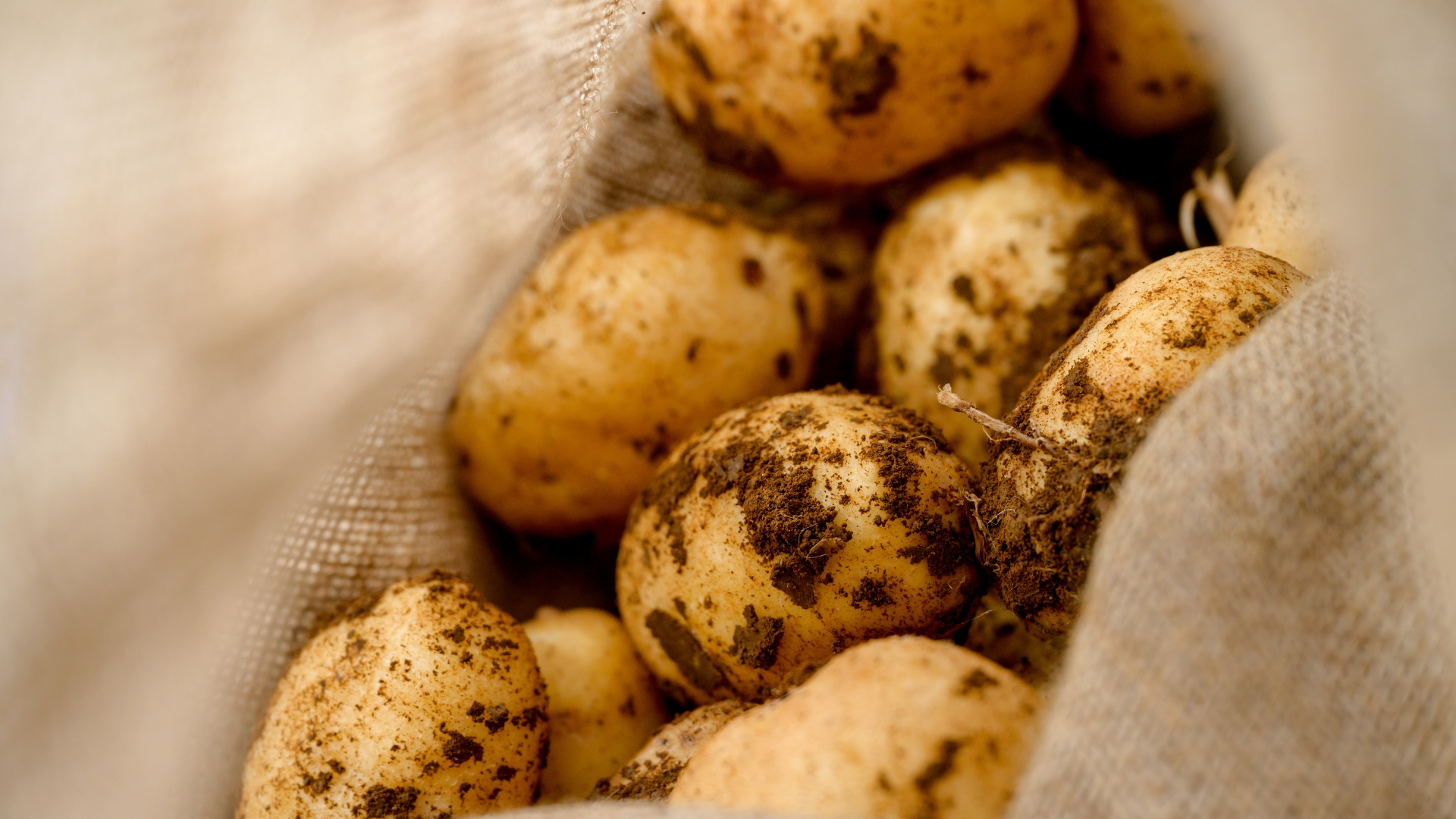
A potato variety for every occasion
Potato is the most important vegetable crop, the third most consumed food crop in the…- Feeding people
-
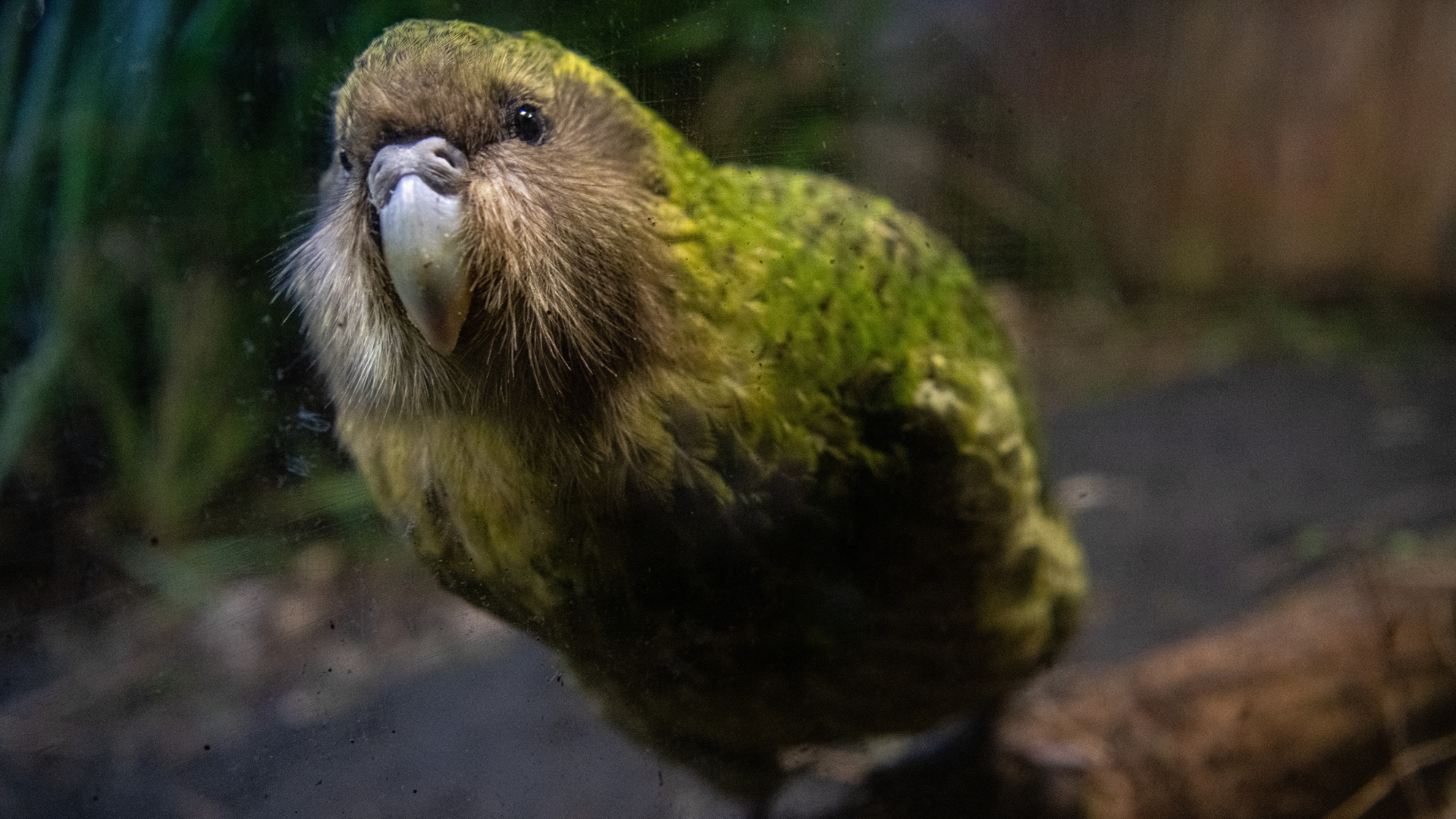
Expanding the range of the kākāpō
Kākāpō, found only in Aotearoa New Zealand, are critically endangered, flightless, nocturnal, and the heaviest…- Conserving New Zealand
-
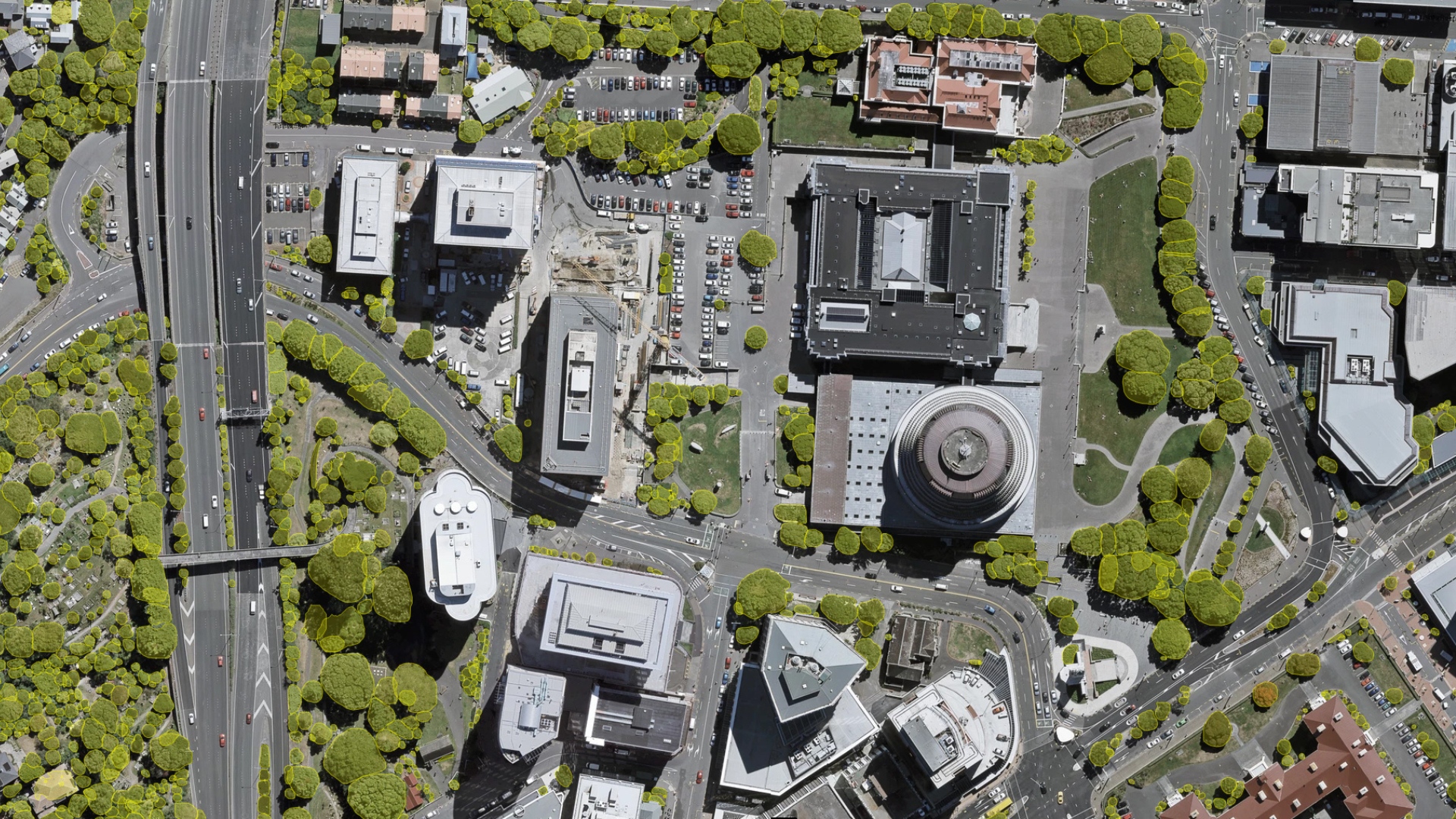
Eyes in the skies
Back in the 1970s, New Zealand’s DSIR was chosen as one of the principal investigators…- Understanding New Zealand
-
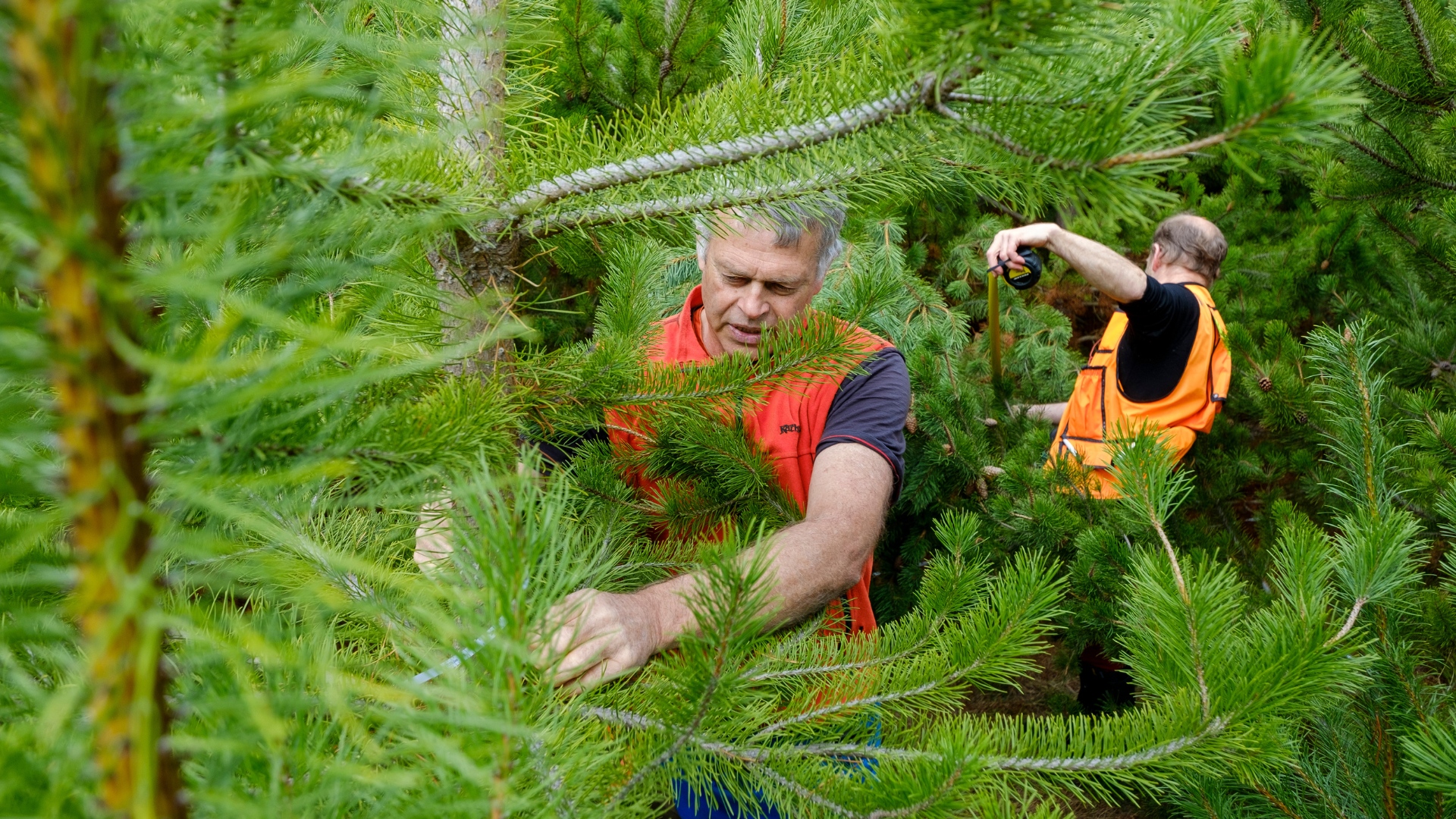
Tackling the wilding pine problem
For more than 20 years, scientists have worked on ways to protect New Zealand from…- Conserving New Zealand
-
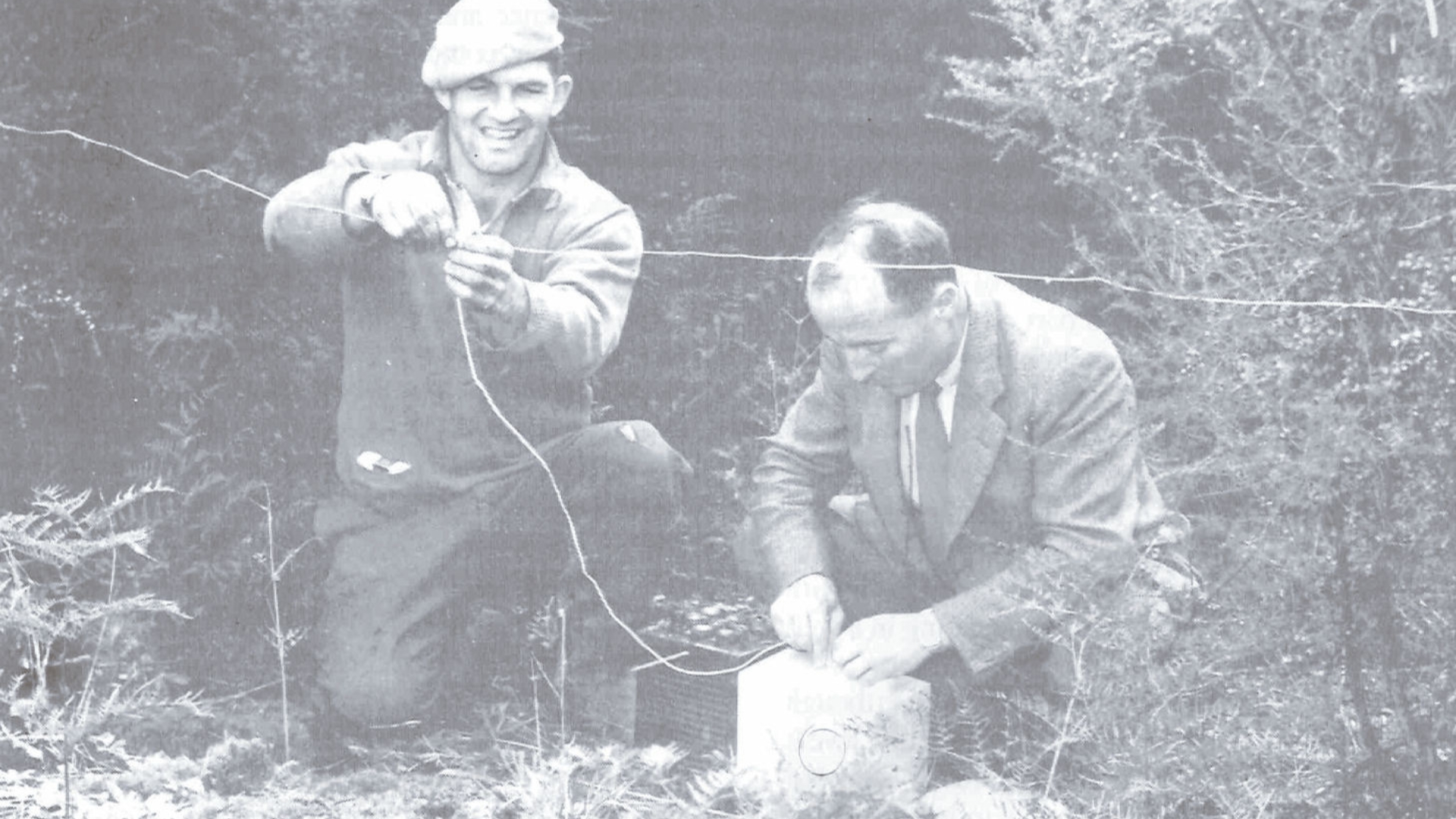
How the electric fence sparked new ways of farming
Rotational grazing has become one of New Zealand’s most important ways to farm productively and…- Feeding people
-
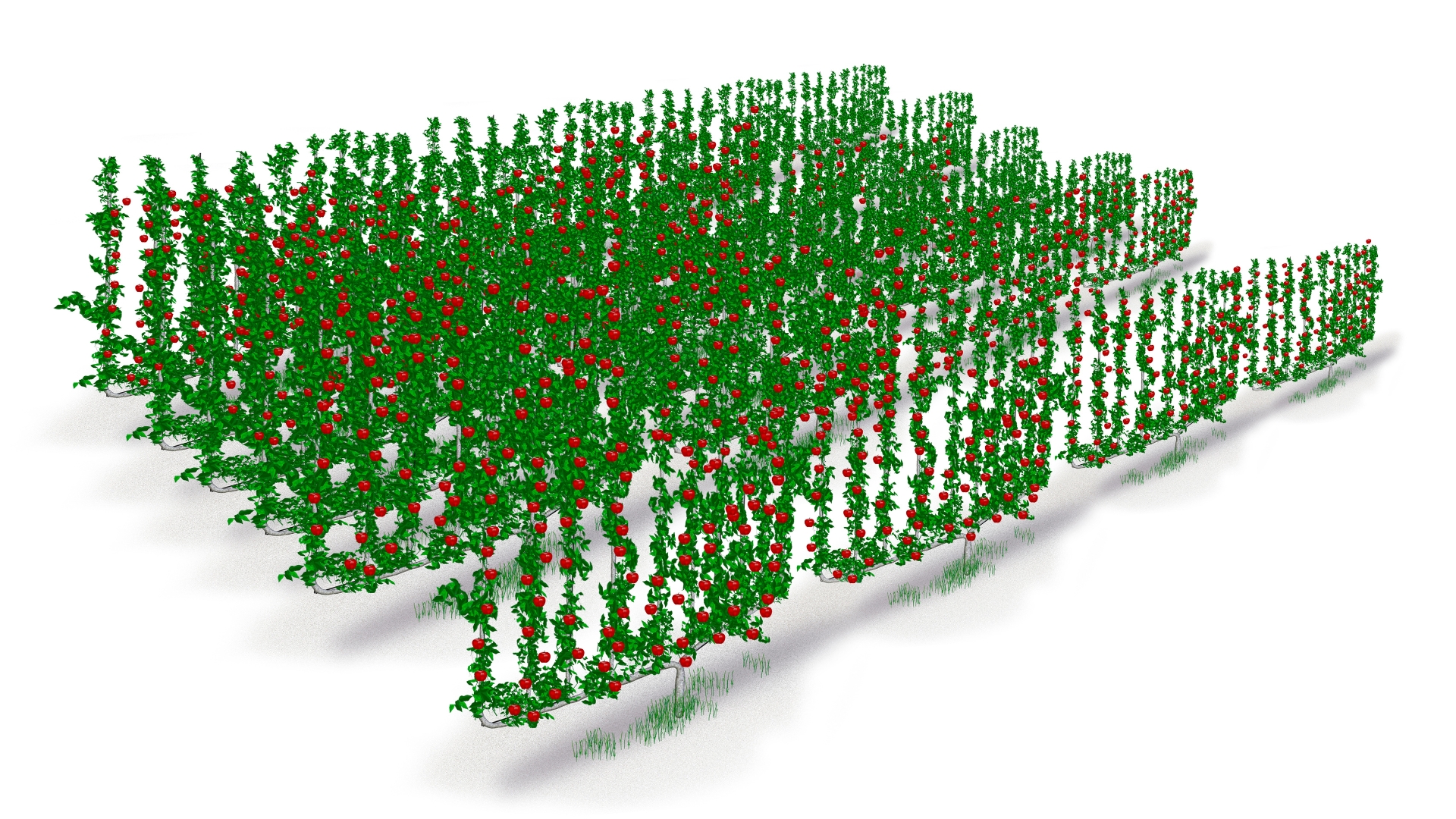
Orchards designed for the future
Science has been a major driver of productivity gains in New Zealand’s apple industry. In…- Feeding people
-
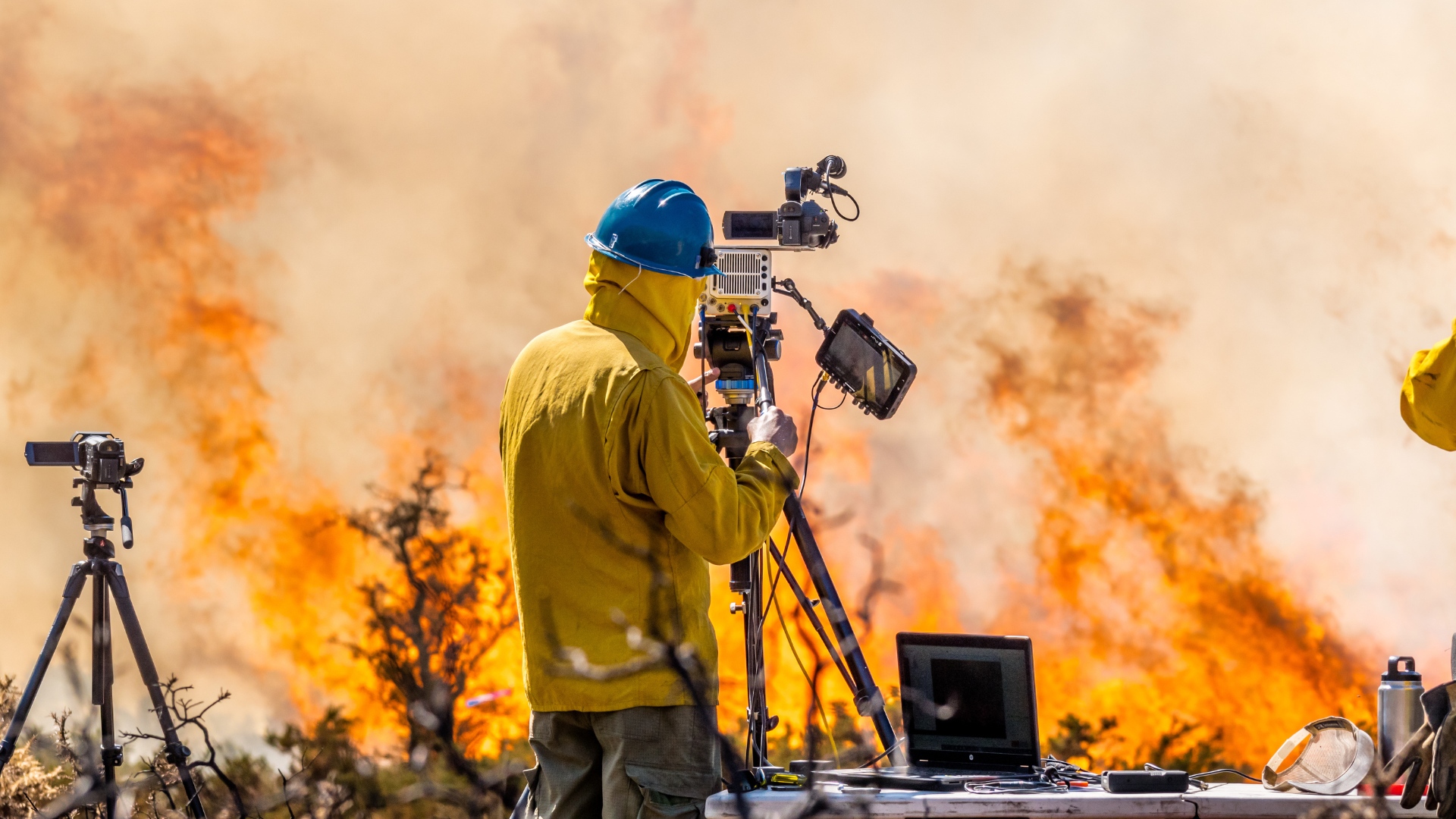
Predicting wildfire behaviour
Science is behind a toolkit designed to enhance understanding of wildfire behaviour, as part of…- Protecting people
-
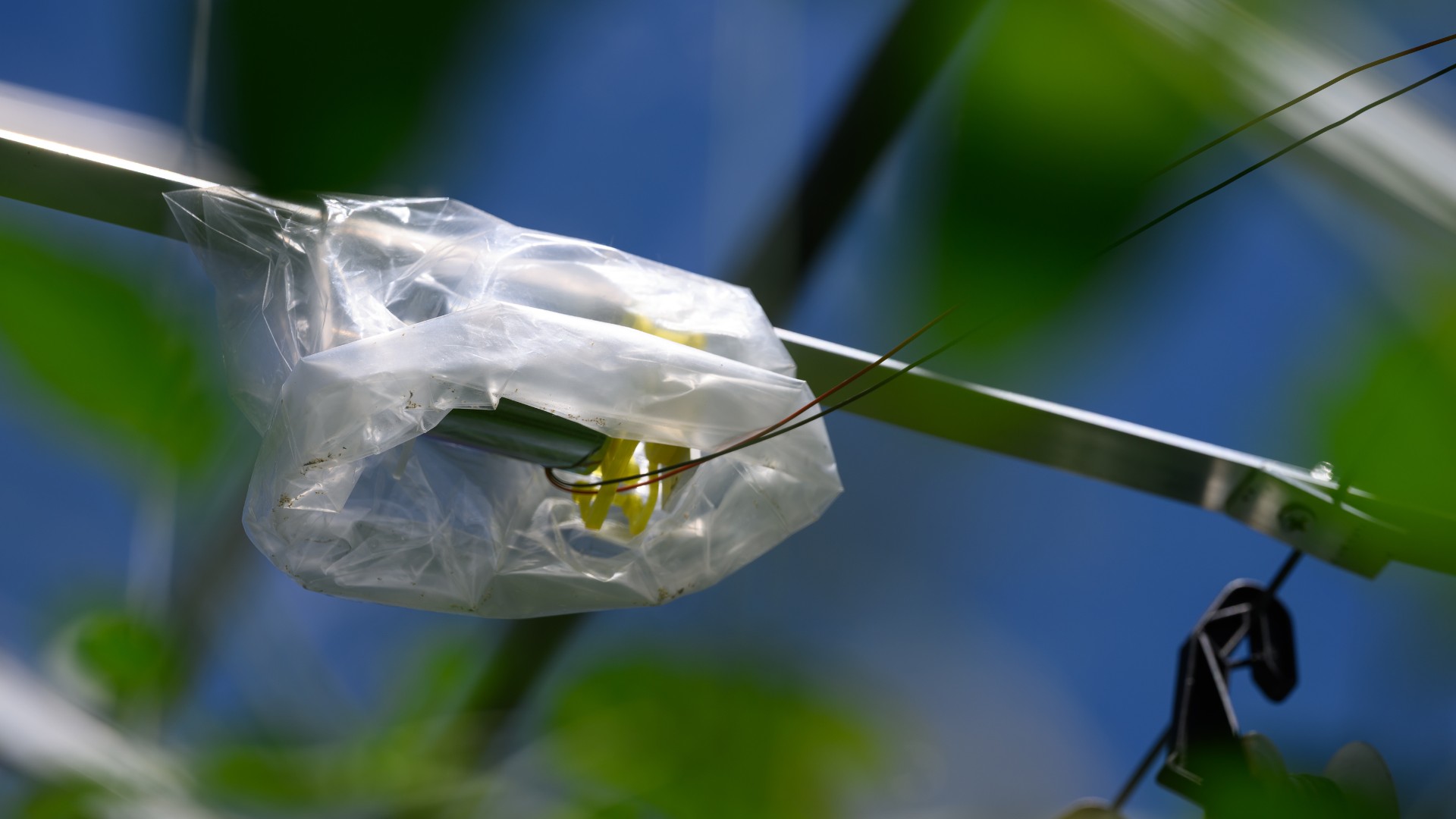
No bad bugs in our fruit and veg!
Like many of us, insects love nibbling on a good piece of fruit or veg.…- Feeding people
-
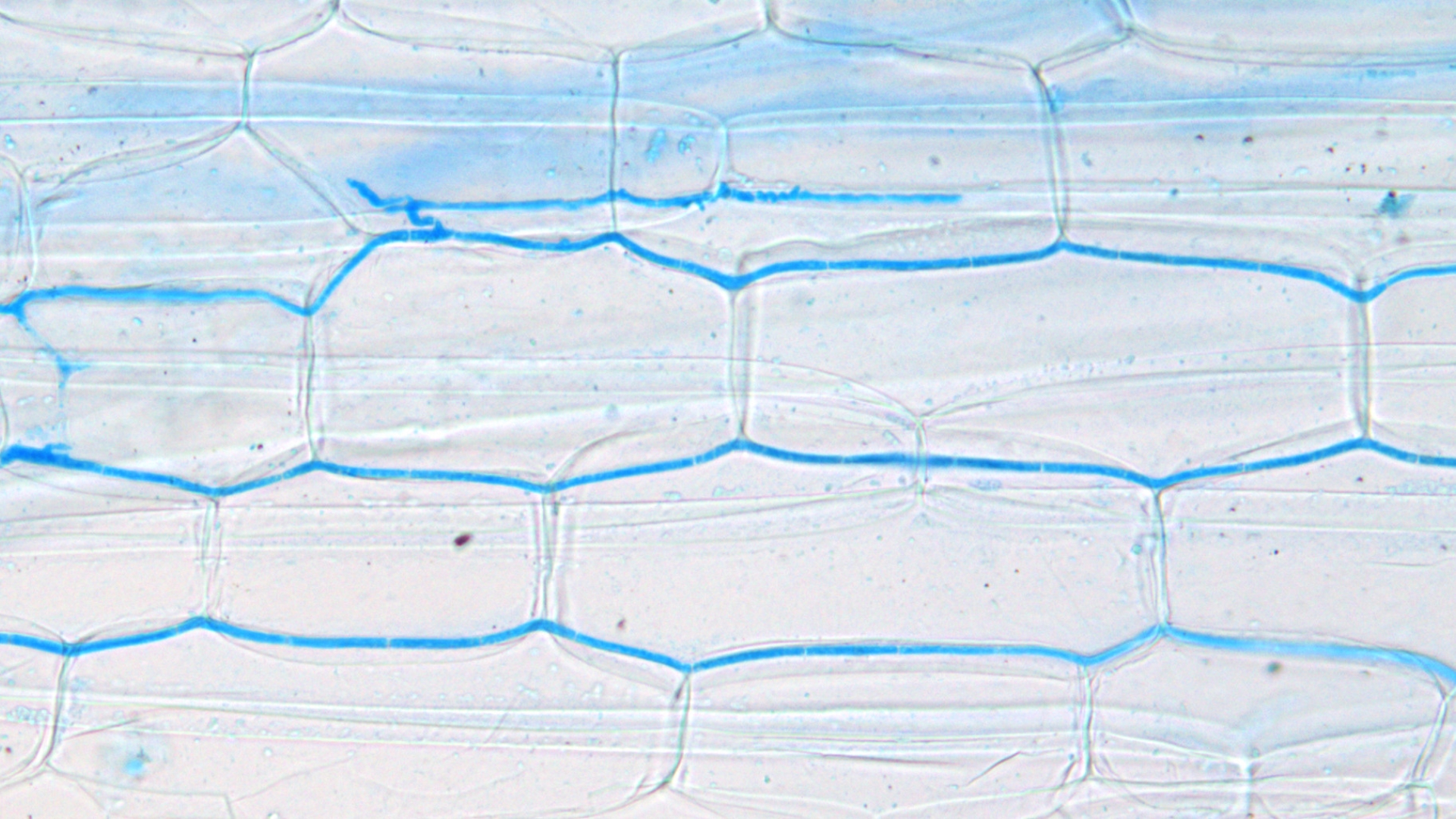
Stopping the staggers
For decades, New Zealand farmers watched their animals stumble. From the mid to late 1900s,…- Feeding people
-
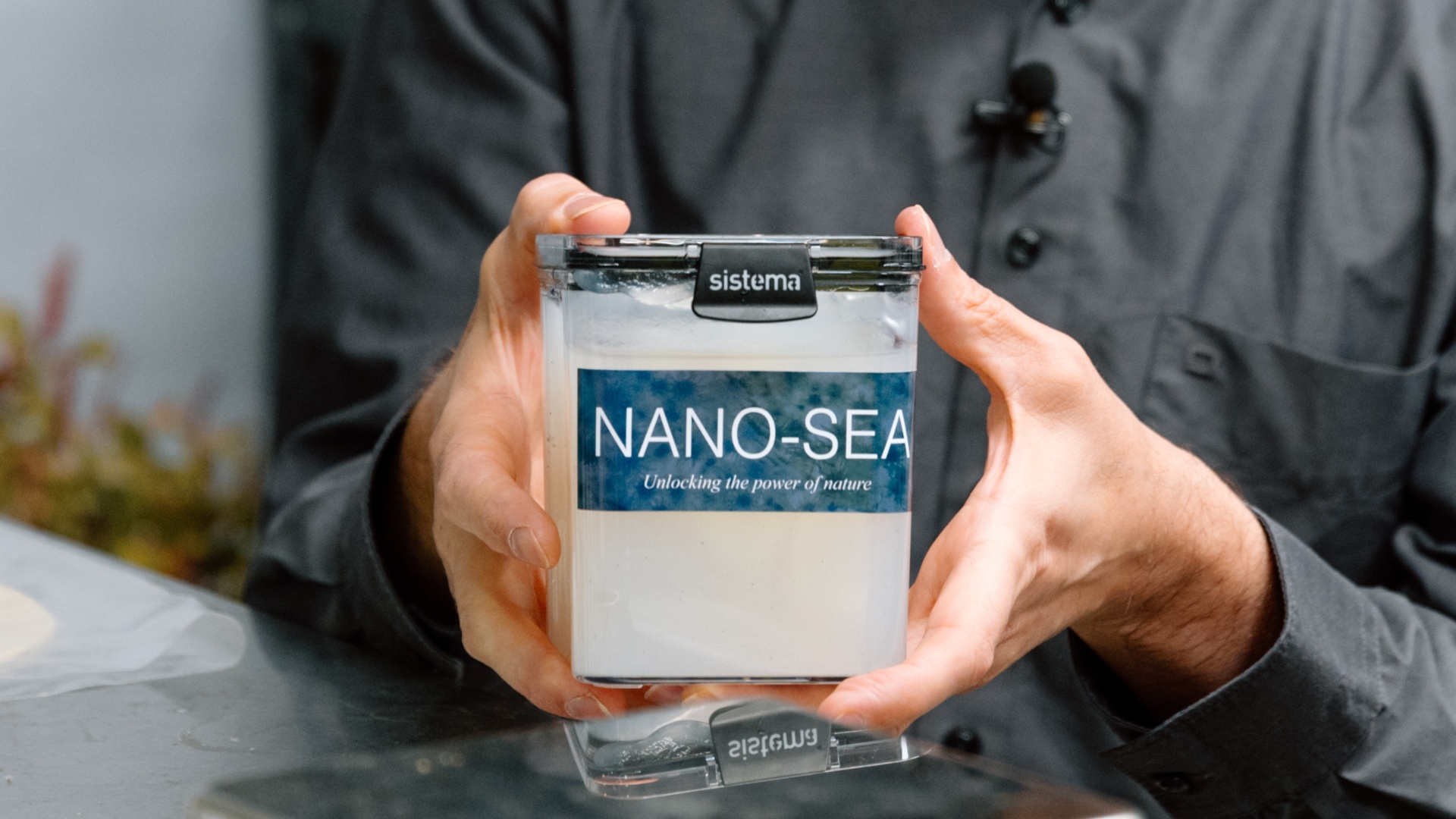
A surprising use for seaweed
Many of the species that call the ocean home – fish and seaweed, for example…- Materials from New Zealand
-
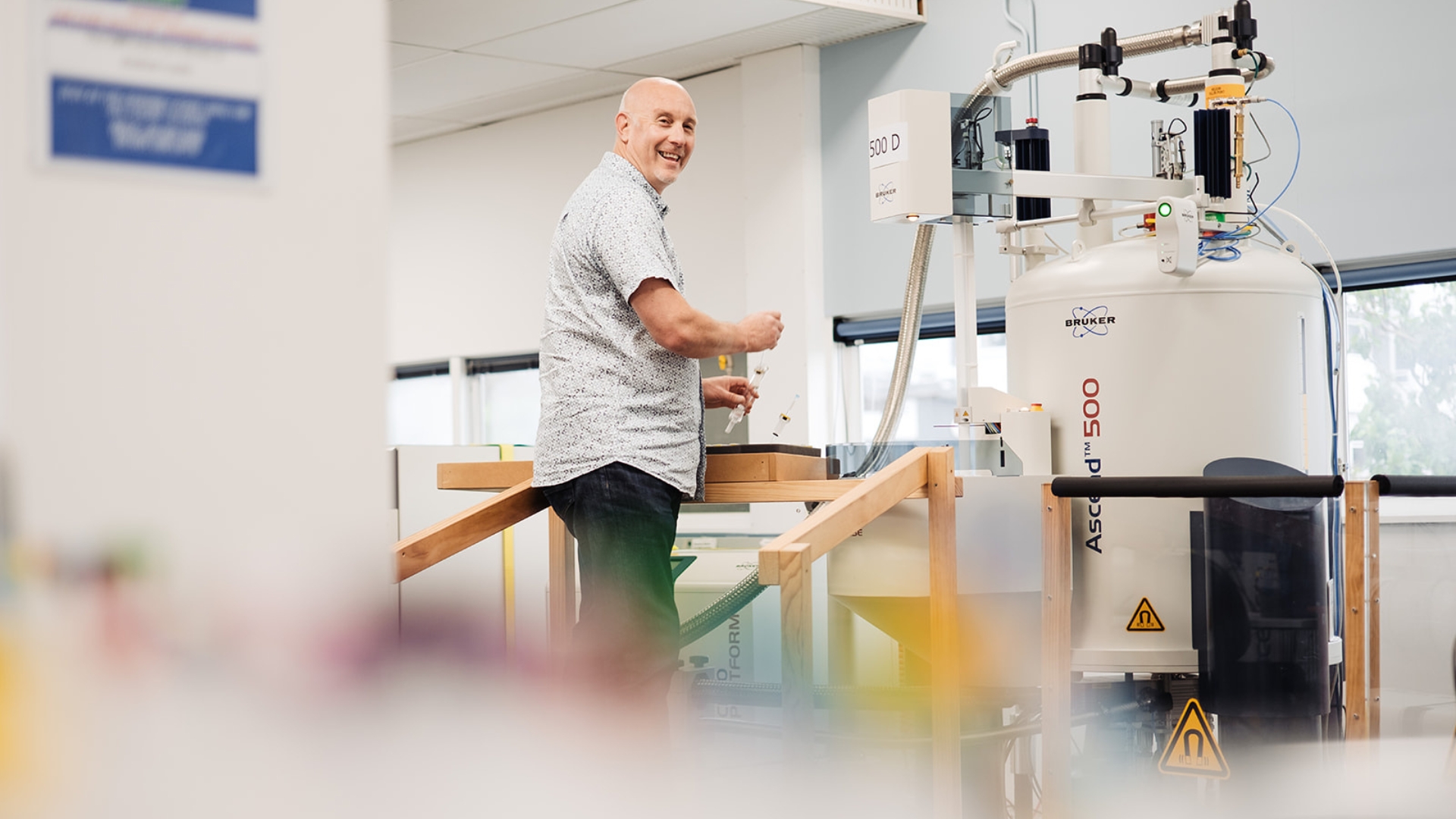
Measuring infant formula's most valuable ingredient
Phospholipids are among the most valuable compounds in dairy and marine ingredients, clinically proven to…- Feeding people
-
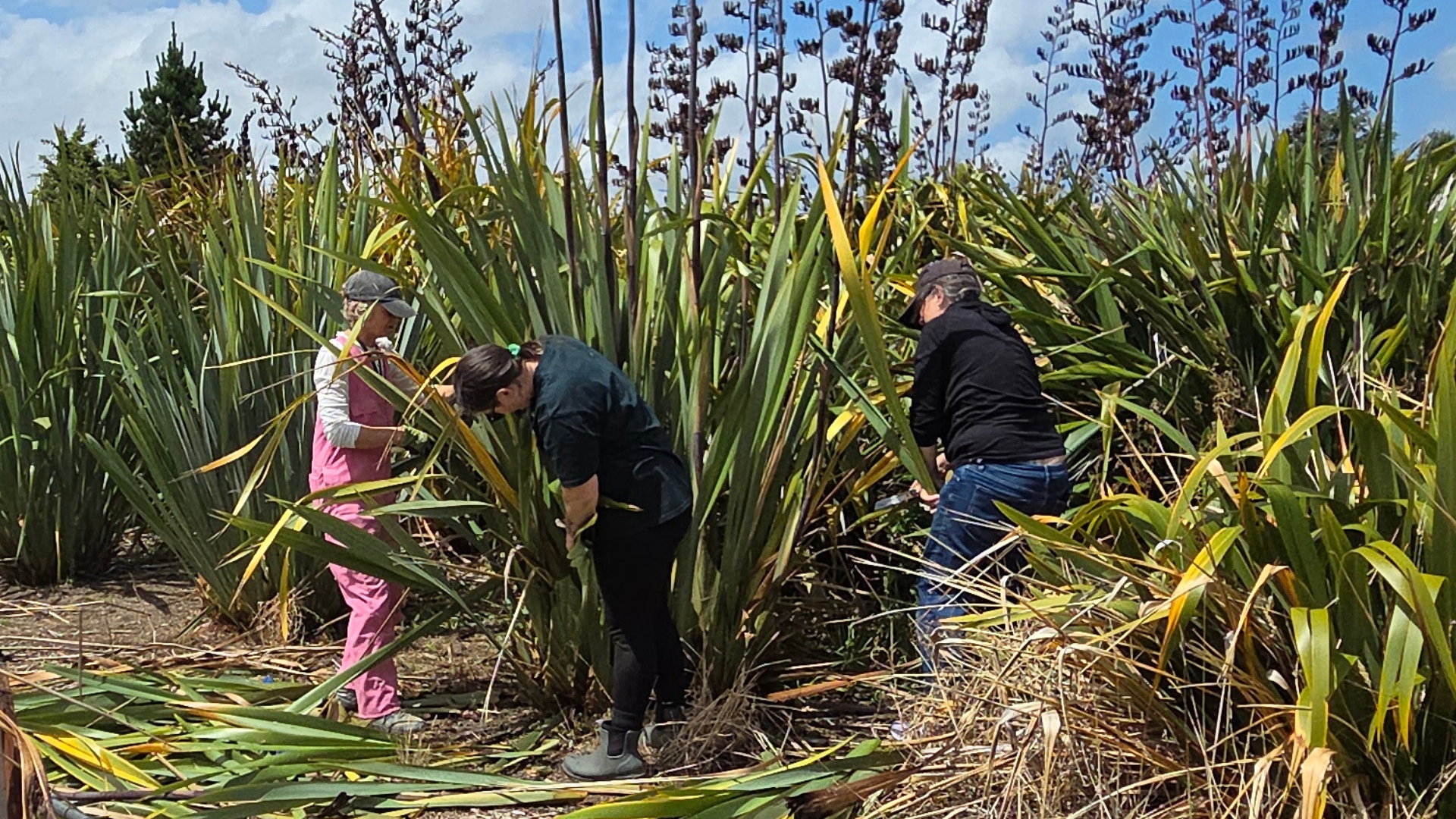
The flax of the matter
In the early 1960s, Rene Orchiston began collecting harakeke, recognising its remarkable diversity and its…- Conserving New Zealand
-
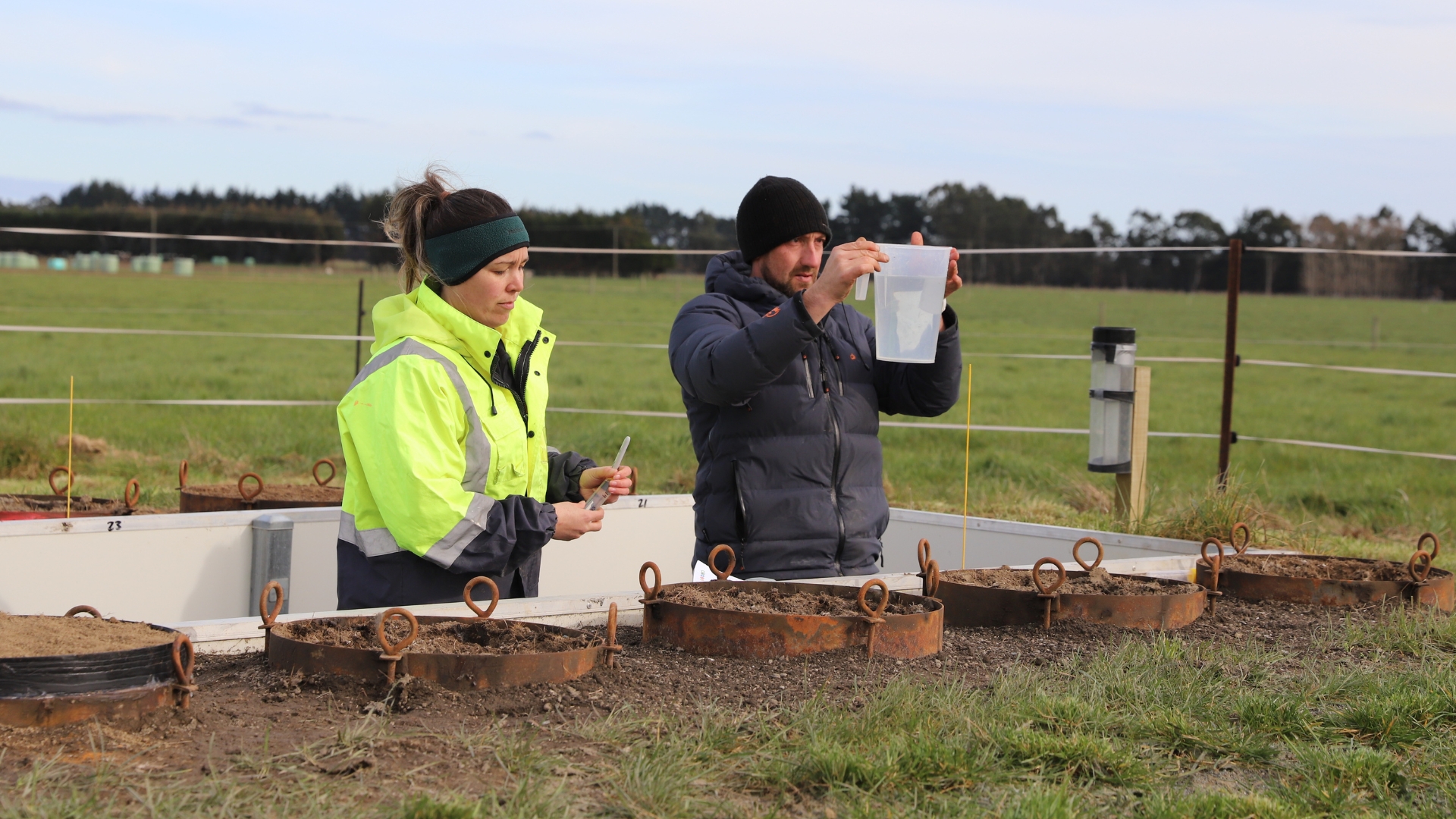
Solving winter grazing challenges
As farming intensified across New Zealand in the 1990s, a new and complex challenge emerged: how…- Conserving New Zealand
-
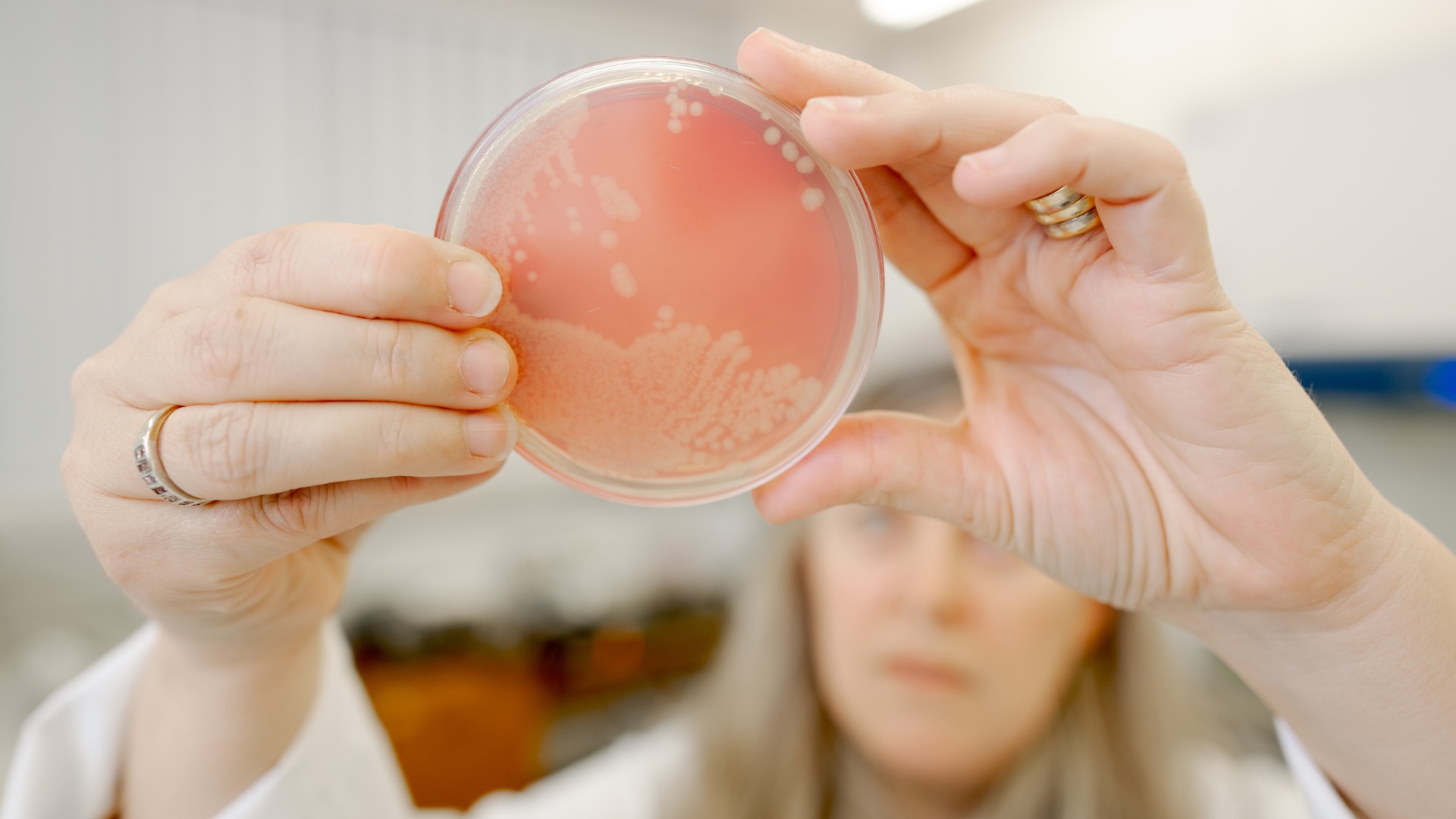
Rewriting the language of plant disease names
Collections of microorganisms help us understand what’s present in the New Zealand environment already, identify…- Protecting New Zealand
-
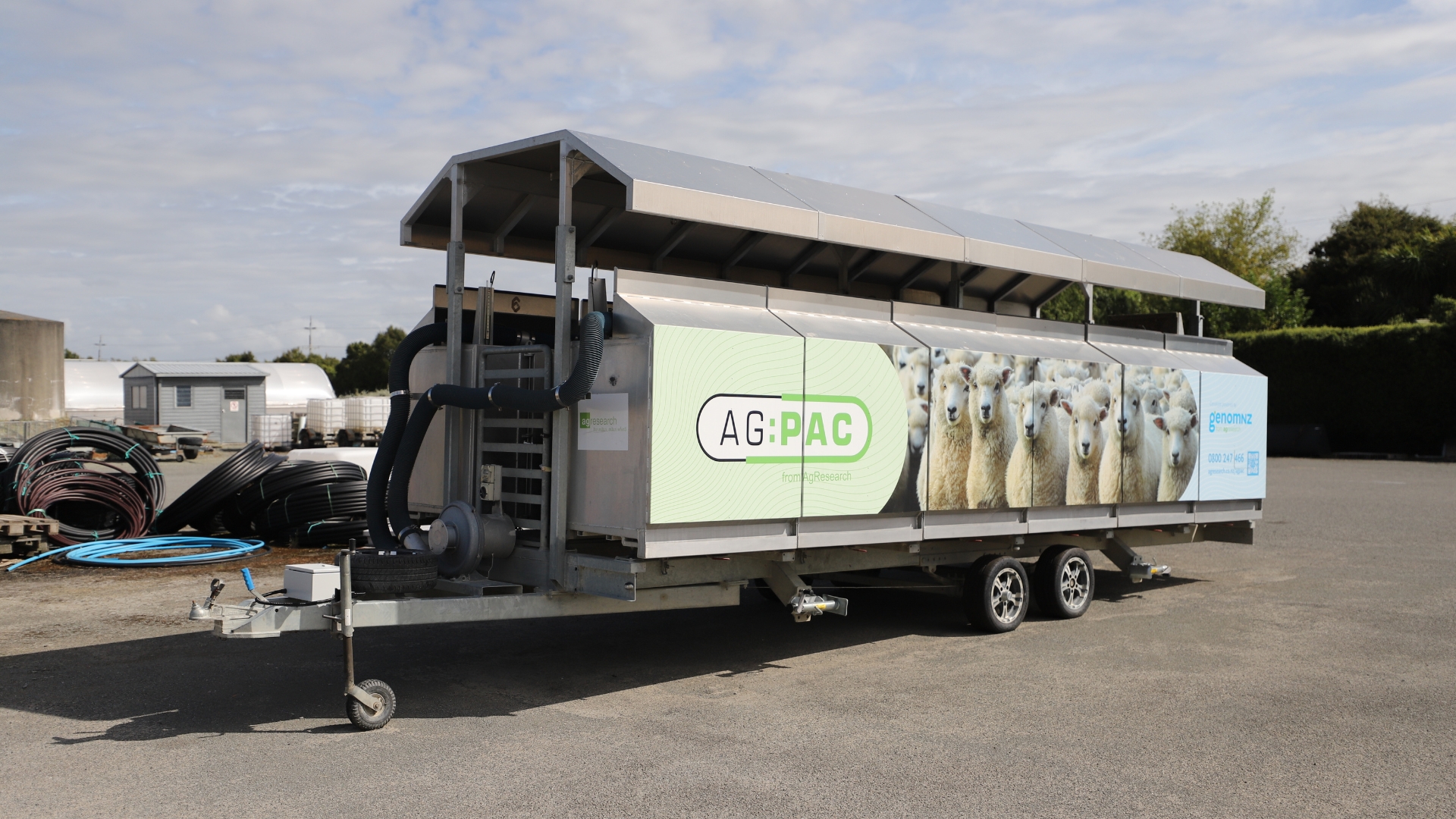
Supporting lower-emissions farming
Science is helping New Zealand farmers meet one of the biggest challenges of our time:…- Feeding people
-
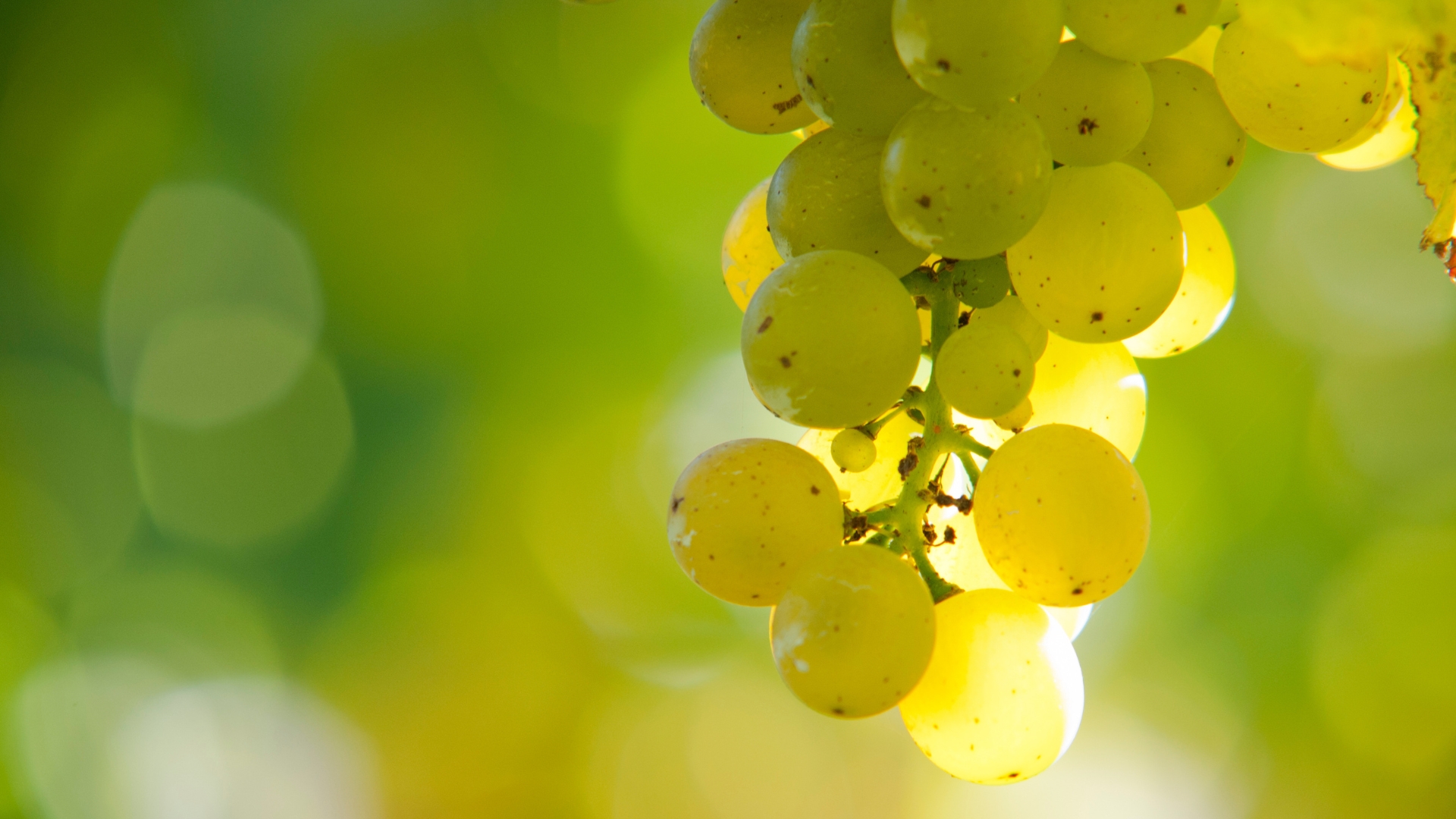
Producing premium wines
New Zealand is famed for its wines. The New Zealand wine industry went through transformational…- Feeding people
-
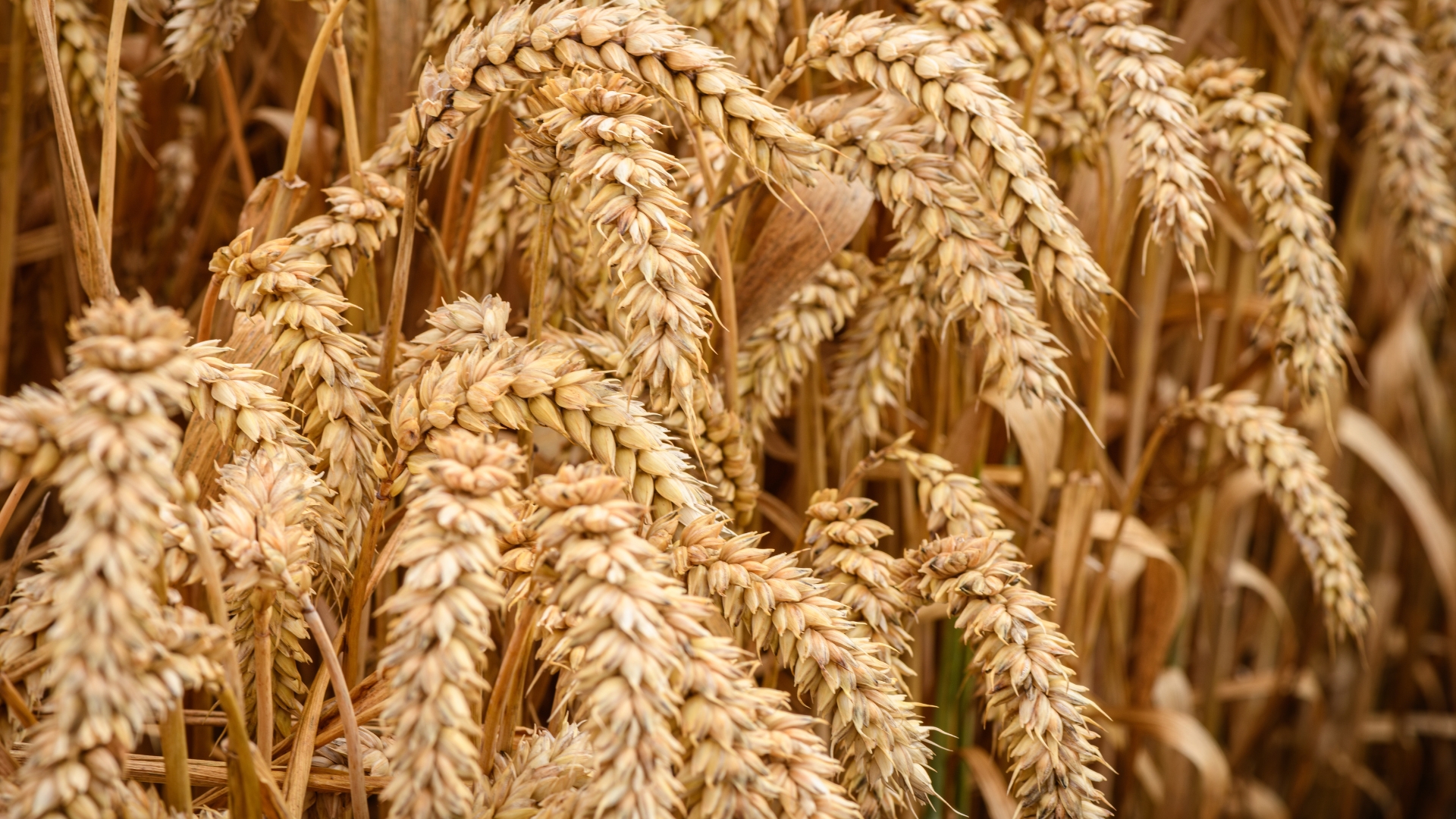
The science behind a consumer staple
New Zealand has a long history of growing wheat, with the first breeding efforts led…- Feeding people
-
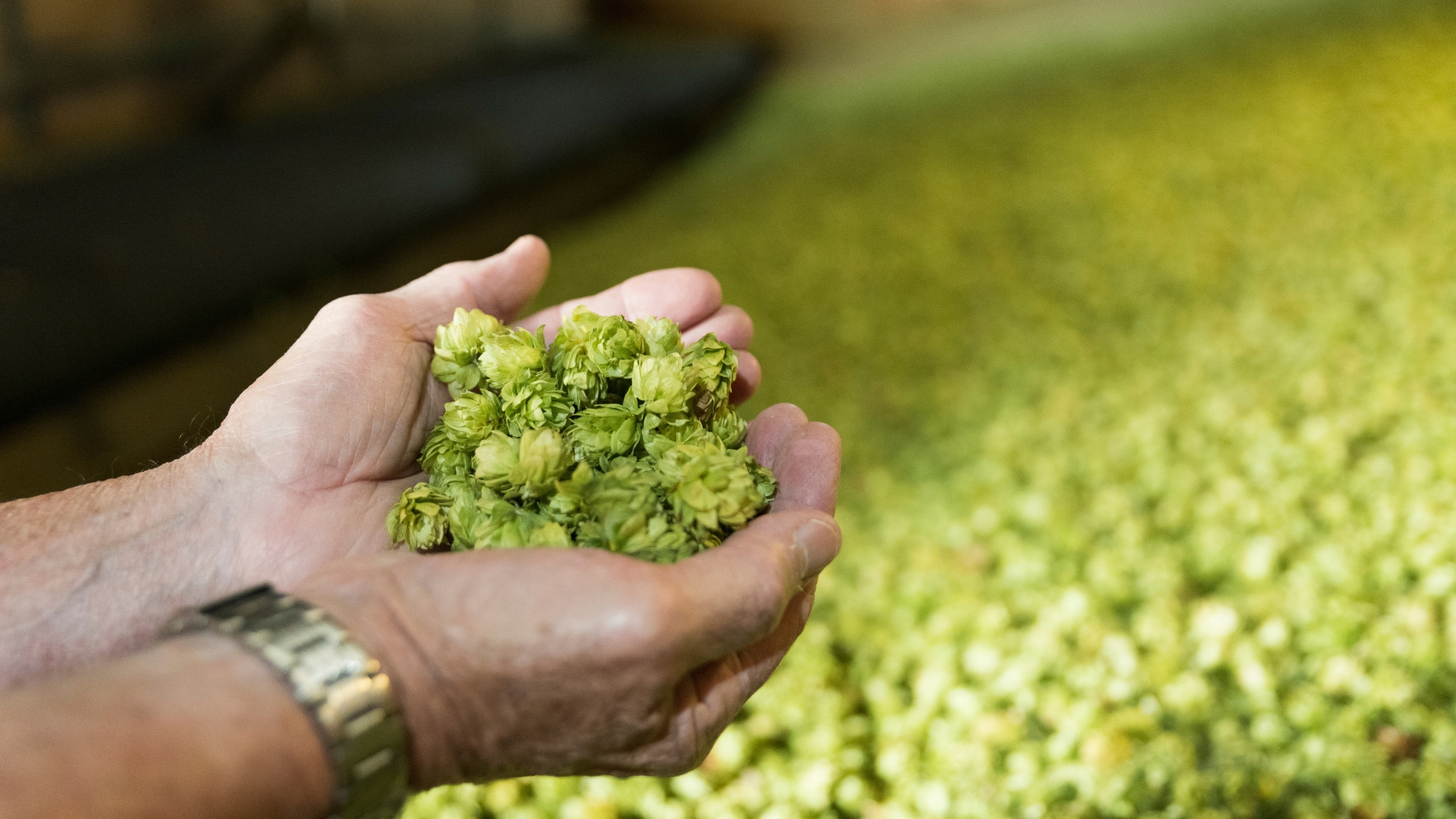
Hops with global appeal
Behind the distinctive flavors of many New Zealand brewed beers sits more than seven decades…- Feeding people
-
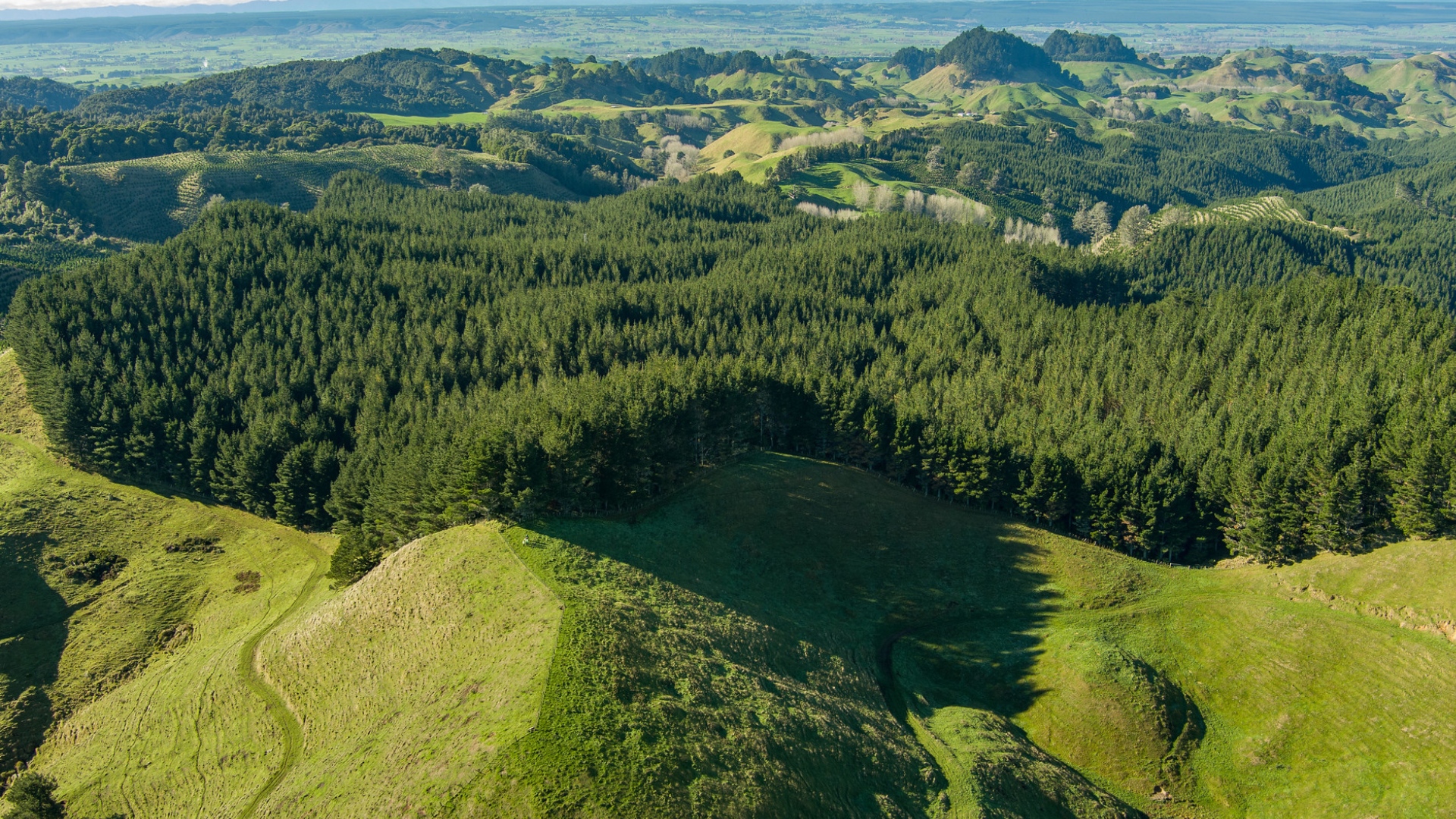
Taking a walk in an experimental forest
Just 50 minutes’ drive from Rotorua is the Puruki Experimental Forest, planted for and dedicated…- Understanding New Zealand
-
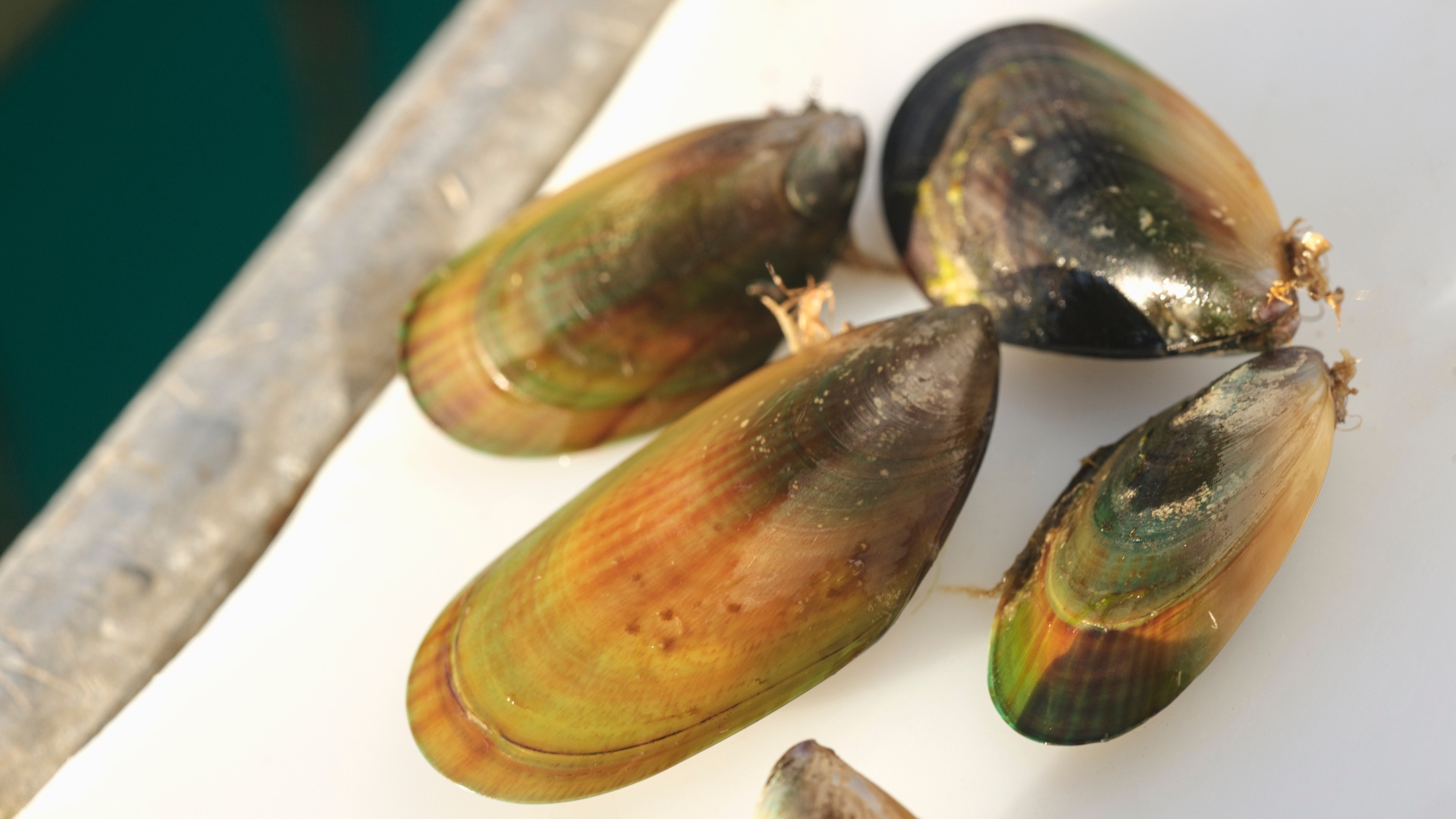
Health benefits from the sea
To grow value while maintaining healthy fisheries, scientists and engineers have developed ways to extract…- Feeding people
-
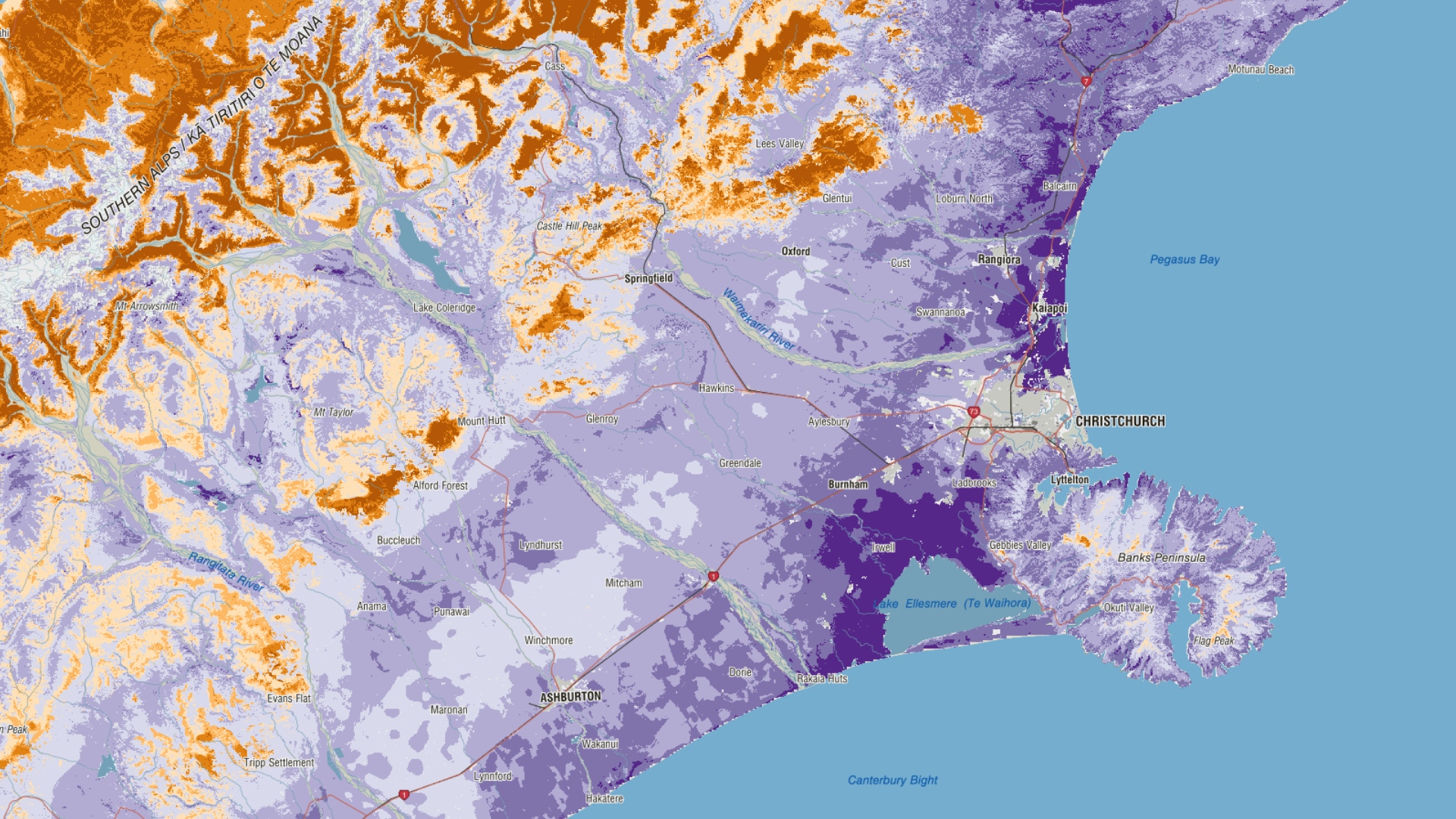
Understanding New Zealand's soils
In June 1930, the Prime Minister George Forbes announced what became the national “Soil Bureau”…- Understanding New Zealand
-
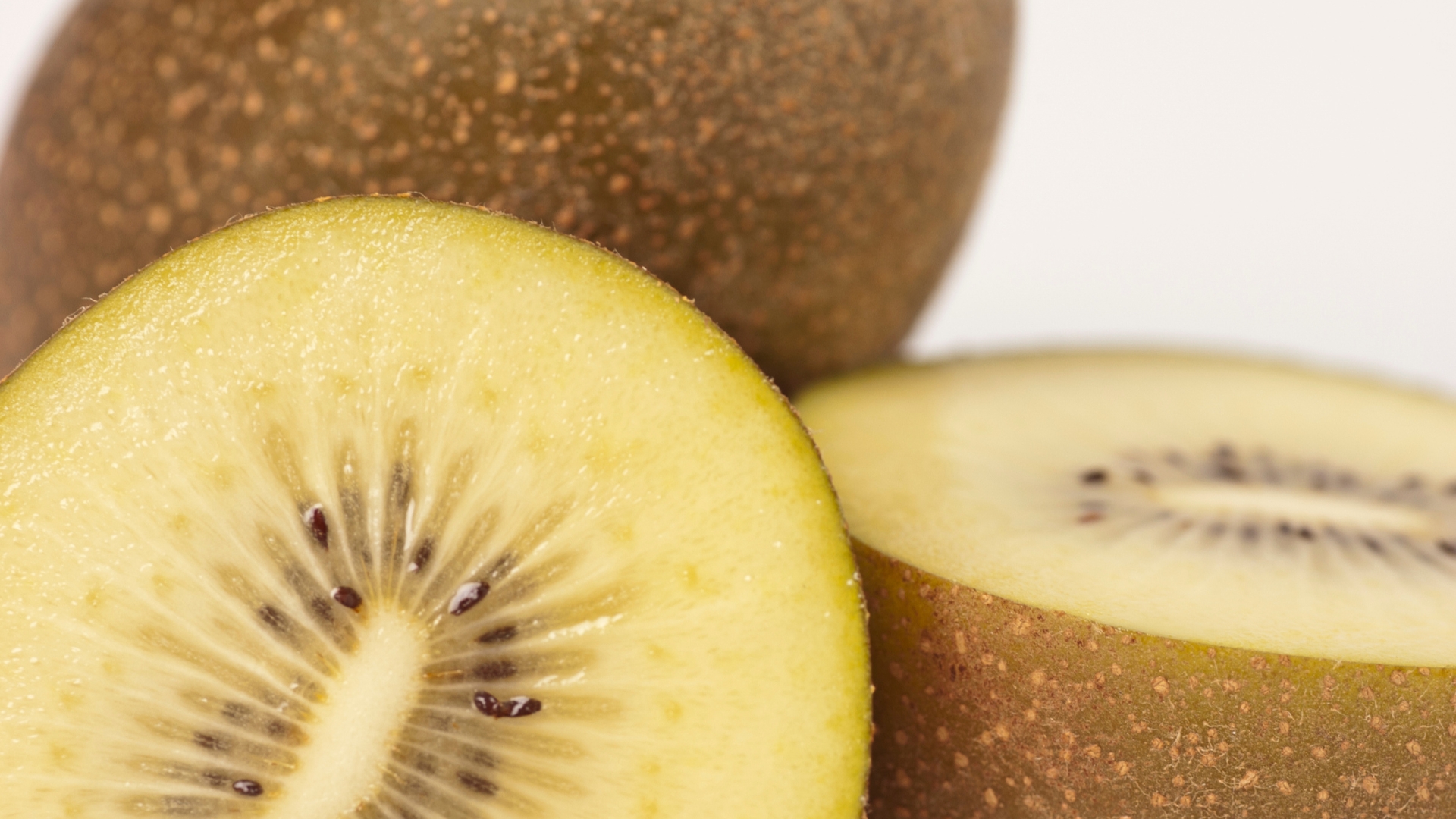
The golden age of kiwifruit
Our unique golden-fleshed kiwifruit are enjoyed by people in more than 50 countries, including those…- Feeding people