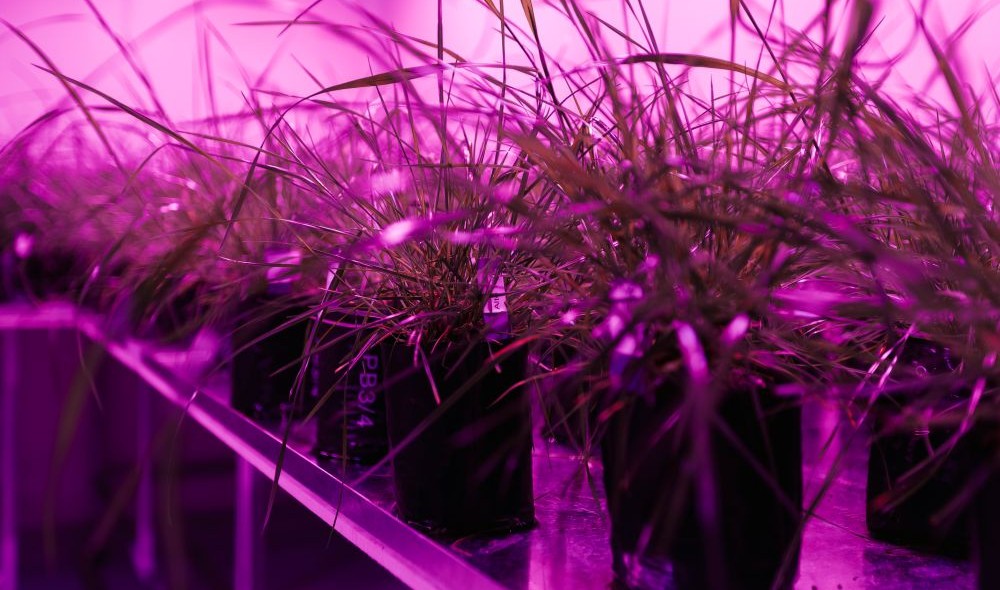
Biotechnology is reshaping the way we solve some of the world’s most pressing challenges.
Climate pressures, resource limitations, and geopolitical disruptions are intensifying challenges globally, and while traditional methods remain valuable, modern biotechnologies offer far greater precision and can deliver results more rapidly.
The Bioeconomy Science Institute Maiangi Taiao is responding with world-leading science and technologies that transform the way we grow, harvest, prepare, and share resources.
Our researchers are developing innovative tools and technologies that support more resilient production systems, cleaner industries and a sustainable, circular bioeconomy. Through these advances, we’re helping New Zealand and its partners respond to today’s challenges and unlock the opportunities of tomorrow.
-
Synthetic biology
Our scientists use synthetic biology to engineer and optimise microbial metabolic pathways in bacteria, yeast and microalgae, enabling the conversion of simple molecules and waste-derived intermediate materials into high-value biochemicals and advanced bio-based products. -
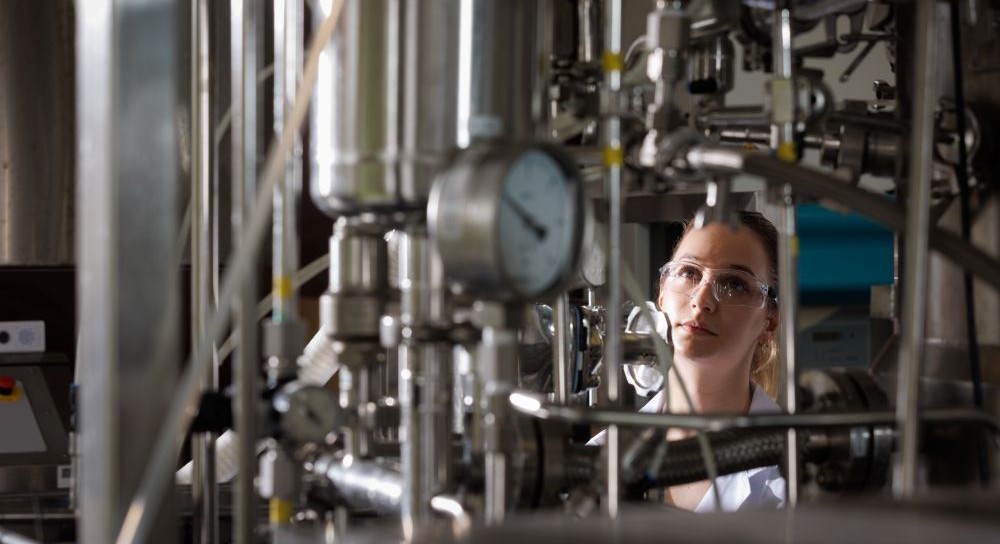
Industrial biotech
We develop industrial biotechnology processes that convert biomass, side-streams, plastics and gaseous feedstocks into high-value, low-emissions products. -
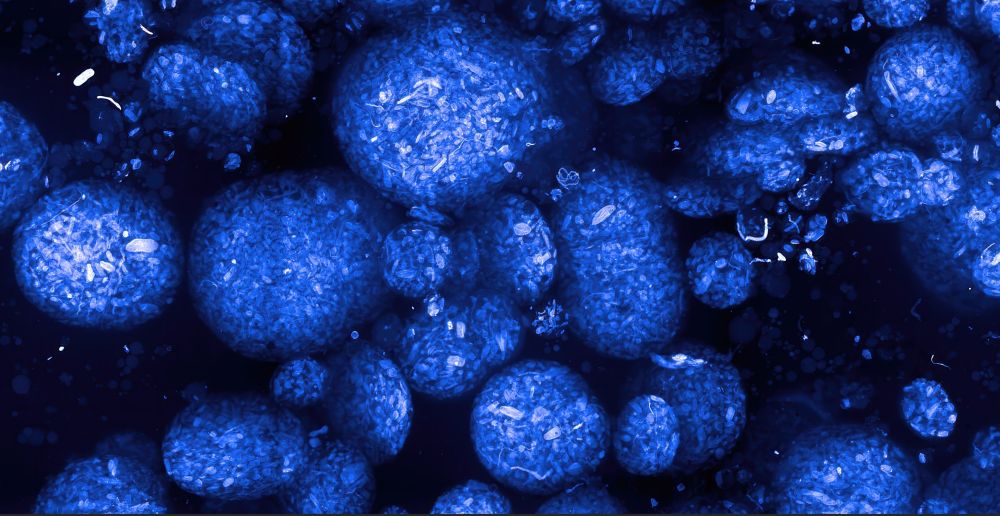
Biomaterials
We are a leader in science driven biomaterials innovation, turning renewable biological resources into sustainable, high-value bioproducts. -
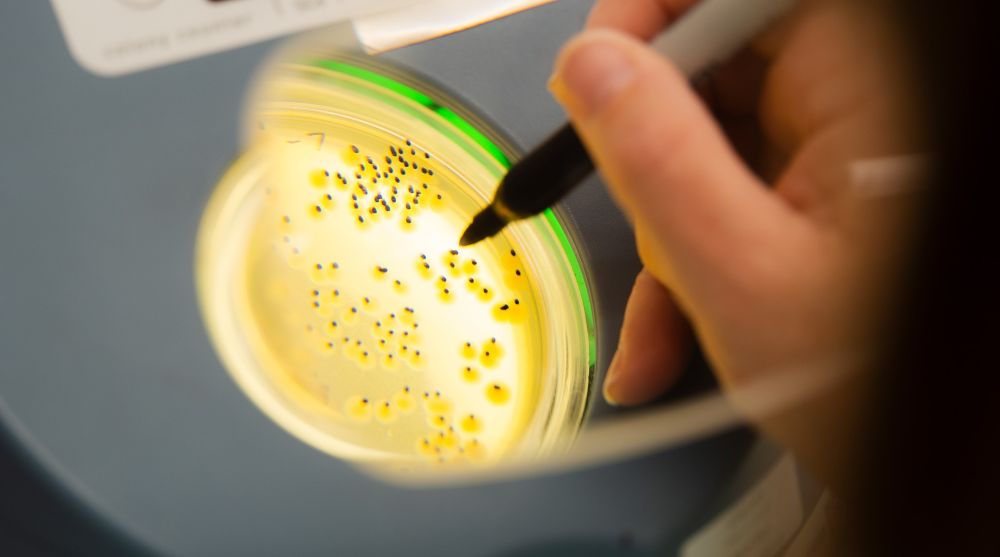
Plant biotech
We use a variety of new breeding technologies, including gene editing, to identify genes in species of interest, how they are controlled, and how they could be used to develop new plant cultivars and beneficial microorganisms for New Zealand’s pastoral, horticultural, forestry and biomanufacturing sectors. -
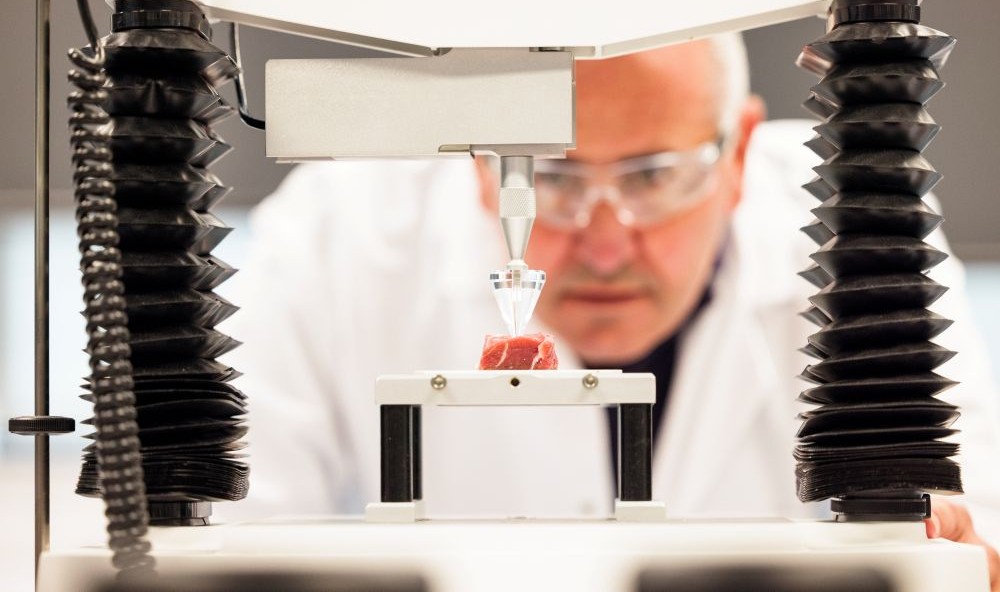
Food biotech
Our food biotechnology capabilities have a strong focus on creating new foods, functional ingredients and reducing waste. -
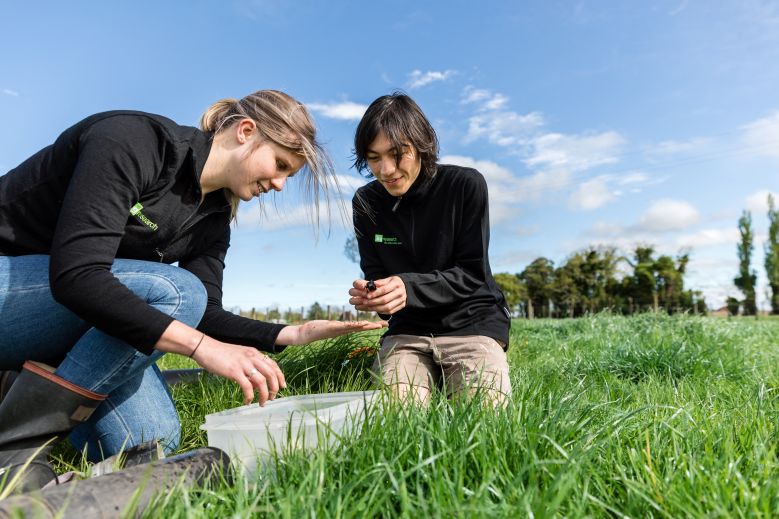
Partner with us
We work with partners all over New Zealand and the world, delivering scientific expertise and practical solutions that drive sustainable growth and resilience.
Synthetic biology
Our scientists use synthetic biology to engineer and optimise microbial metabolic pathways in bacteria, yeast and microalgae, enabling the conversion of simple molecules and waste-derived intermediate materials into high-value biochemicals and advanced bio-based products.
We work extensively with non-model organisms and develop customised genetic toolkits, allowing us to leverage microorganisms that naturally grow on low-cost feedstocks.
By creating standardised DNA parts, we combine AI-driven design, automation and robotics to rapidly build and test biological systems. This enables the development of products such as:
- Bioplastics such as polyhydroxyalkanoates
- Biofuels including ethanol, methanol and other engineered alcohols
- Platform chemicals such as organic acids, dicarboxylic acids and C1–C4 intermediates
- Flavours, fragrances and aromatics
- Bio-based pigments and colourants
Industrial biotech
We develop industrial biotechnology processes that convert biomass, side-streams, plastics and gaseous feedstocks into high-value, low-emissions products. We bridge biology and industrial biomanufacturing with scalable processing technologies, enabling researchers and companies to co-develop new products, materials and sustainable manufacturing pathways.
This work spans whole-cell fermentation, biocatalysis and hybrid chemical–biological processes, allowing us to tailor the technology platform to both the feedstock and the desired product. One of our key strengths is the ability to translate small-scale laboratory results into predictable and consistent pilot-scale production. Digital twins and rapid analytical workflows enable fast optimisation, troubleshooting and technology transfer.
Our downstream processing capabilities allow products to be concentrated, isolated and purified for a wide range of applications, including food, medical, chemical and materials sectors, including:
Biomaterials
We are a leader in science driven biomaterials innovation, turning renewable biological resources into sustainable, high-value bioproducts. Our research combines deep expertise in natural materials with advanced processing and manufacturing technologies to create environmentally responsible alternatives that reduce waste, add value and support a circular bioeconomy. From transforming biomass into new materials to enhancing the performance of natural fibres like wool, our science helps industries transition to cleaner, smarter and more sustainable products.
Our capabilities include:
- Biopolymers and bio-derived chemicals - plant-based styrofoam alternative, wood fibre technology for composite products, turning agricultural byproducts into moulded fibre packaging
- Transformation of wood and bark into high-value materials like marine fuel and tannin for leather production.
- Plastics and microplastics formulations for performance and sustainability - biodegradable vine clips, bio-based and biodegradable nursery pots, bio-based and compostable 3D print filament
Plant biotech
We use a variety of new breeding technologies, including gene editing, to identify genes in species of interest, how they are controlled, and how they could be used to develop new plant cultivars and beneficial microorganisms for New Zealand’s pastoral, horticultural, forestry and biomanufacturing sectors.
Opportunities from these technologies include greater productivity, better human and animal health, increased pest resistance, and improved environmental results. Work is underway to understand the potential benefits of these technologies and to ensure that those benefits outweigh any potential risks.
Experience includes:
- High condensed tannin (HiCT) clover, supporting better animal welfare and reduced environmental impact
- High metabolisable energy (HME) ryegrass, offering enhanced animal performance and reduced methane output.
- Exploration of key pine tree traits, to support a more productive, stable and high performing forestry sector
Food biotech
Feeding a growing global population projected to reach 9 billion by 2050 demands bold innovation and resilient food systems. Our food biotechnology capabilities have a strong focus on creating new foods, functional ingredients and reducing waste. Our techniques can offer accelerated and precise solutions to today's problems.
Our capabilities include:
- New gene technologies, including gene-editing (CRISPR) for apples and other food crops
- Sensing technologies – firmness testing, AI-enabled offal sense tech designed for meat plants
- Food pilots, bridging the gap between laboratory and commercial scale
- Lab-based cellular food production, enabling large production without large land requirements (tiny food farms)
- Precision fermentation, converting abundant bioresources into high-value proteins at commercial volumes
- Life cycle assessments – Ag:LCA helps producers understand environmental impacts across a product’s entire journey
- Access to the Food Innovation Network’s support of commercialisation and innovation at pace