
Monday, 6 July 2026
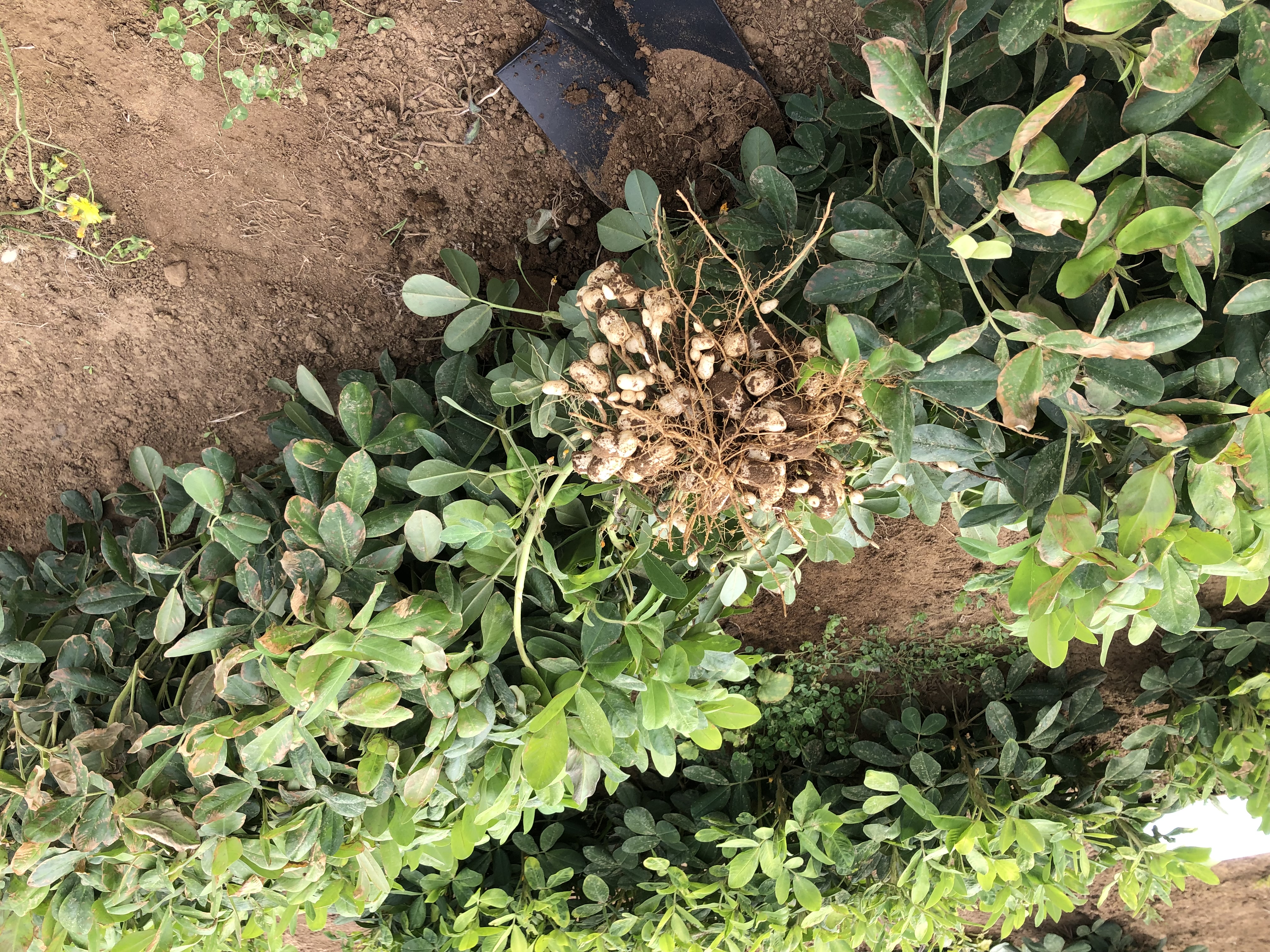
A peanut cultivar trial block near Dargaville.
Trials of a new peanut cultivar identified as being well suited to Northland’s climatic conditions are hoped to get underway late next year, as part of ongoing work to explore the potential of establishing a commercial peanut industry in the region.
The Bioeconomy Science Institute Maiangi Taiao (formerly Plant & Food Research) has been providing scientific expertise for research projects in Northland focused on evaluating whether peanuts can be commercially grown in New Zealand. Over several years a range of trials have been run in partnership with Pic's Peanut Butter and Northland Inc, with funding support provided from the Ministry for Primary Industries’ Sustainable Food and Fibre Futures fund (now Primary Sector Growth Fund).
Declan Graham, a business manager at the Bioeconomy Science Institute, says the institute’s research to date has delivered promising findings - pest and disease pressure was very low in the Northland crops, with no insecticides or fungicides required during commercial-scale block evaluations.
“Naturally occurring rhizobia, a beneficial soil bacterium that fixes nitrogen and supports peanut growth by boosting yields, was also found on plant roots at most of the Northland trial sites which makes peanuts an excellent choice for crop rotations. Meanwhile, aflatoxins, harmful toxins produced by certain fungi which are a major food‑safety concern in many overseas peanut production systems, were not detected.
“Weed competition was an issue for crops established out of pasture, so it’s better to grow peanuts as part of an existing cropping rotation for example after vegetables or maize where a good weed control programme has been used previously.”
However, Graham added trials over several seasons showed the Hi Oleic peanut cultivars available in New Zealand only narrowly fitted within Northland’s growing window. As a result, any delay to planting or a cooler-than-average season significantly increased the risk of crops failing to mature or produce a marketable yield.

Researchers from the Bioeconomy Science Institute have been providing scientific expertise for research projects in Northland focused on evaluating whether peanuts can be commercially grown in New Zealand.
“Most existing peanut cultivars on the market have been developed for warmer, tropical climates, with limited breeding focused on cooler or more marginal growing environments like New Zealand. There are always unknowns when you’re looking at establishing a new industry, which is why these trials have been so important.”
Graham says there’s interest amongst several organisations in accessing and testing new cultivars, particularly as the work aligns with wider projects in Northland assessing land suitability for alternative crops. He says while New Zealand grown peanuts will likely never be a serious competitor in the commodity ingredient market, they could find a niche in the premium peanut butter, snacking and roasted-in-shell space.
A cultivar from CGIAR’s International Crops Research Institute for the Semi-Arid Tropics (ICRISAT) which is based in Patancheru, India has been identified as a strong candidate for further trials in New Zealand. It requires fewer growing degree days to reach maturity and has a higher oleic content, which is important for processing quality. Crucially, it could be sown and harvested within a timeframe better suited to Northland conditions.
“With this new cultivar, the lower heat requirement reduces the risk of crops failing to mature in cooler seasons or if planting is delayed. So we’re really interested in putting that to the test.”
Graham says the breeding team at ICRISAT, led by Principal Scientist Janila Pasupuleti, has been working to build up sufficient plant material. Subject to seed availability and regulatory approvals, paddocks in Northland could start being prepared early next year, with trial crops potentially sown in October 2027.
Media contact
Maja Burry
Senior Communications Advisor
Bioeconomy Science Institute
+64 (027) 437 5408
majab.burry@plantandfood.co.nz
Media contact
If you’re a journalist interested in this news, please contact a member of the communications team:
Greg Ford, Principal Communications Advisor
Email: greg.ford@agresearch.co.nz
Mobile: +64 (0)21 832 351
Justine McLeary, Senior Communications Advisor
Email: justine.mcleary@scionresearch.com
Mobile: +64 (0)27 241 5649
Maja Burry, Senior Communications Advisor
Email: maja.burry@plantandfood.co.nz
Mobile: +64 (0)27 437 5408