
Wednesday, 29 July 2026
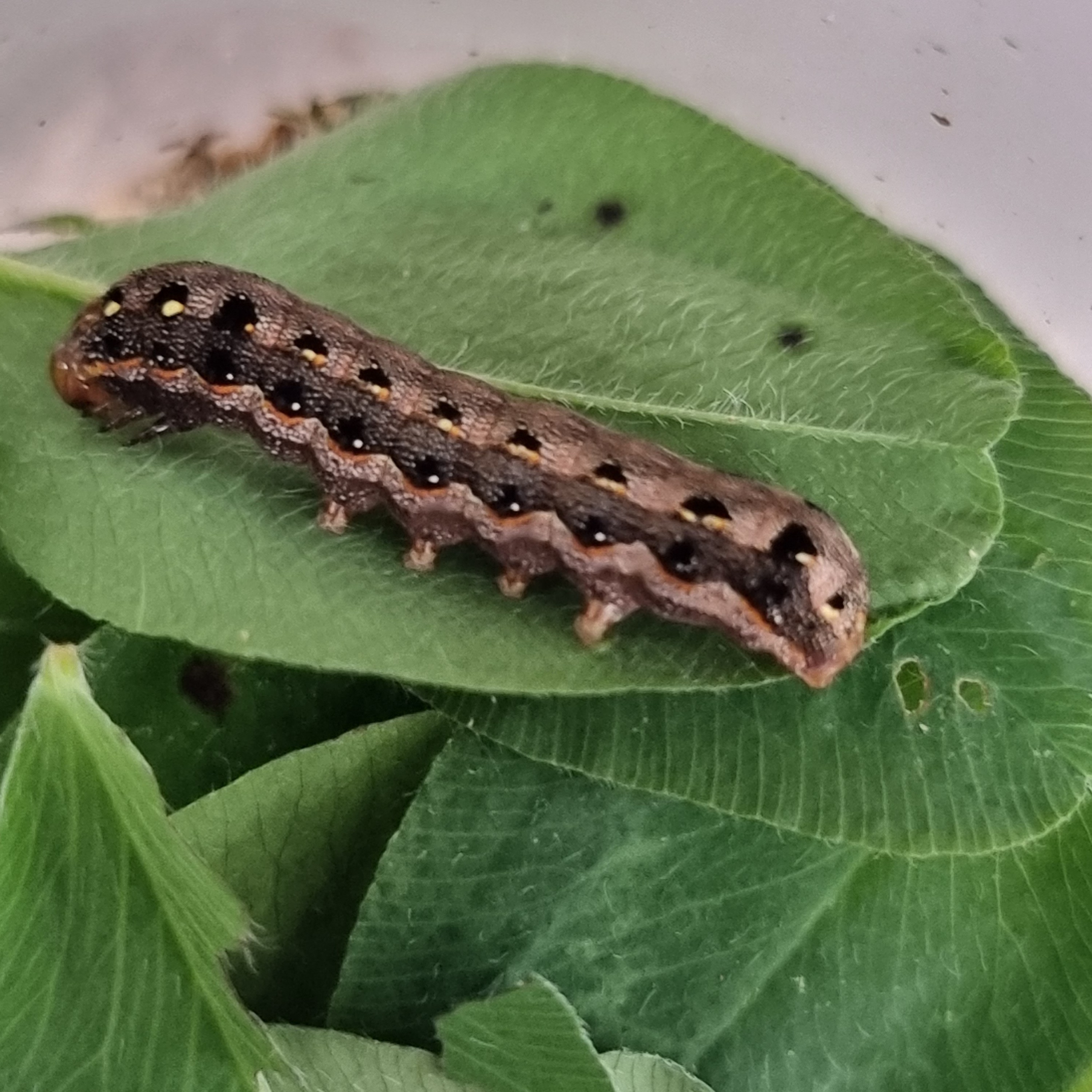
The tropical armyworm is one of thousands of potential sleeper pests already present in New Zealand that scientists warn could spread, become more damaging, or trigger more frequent outbreaks as temperatures rise and weather patterns shift.
Bioeconomy Science Institute Maiangi Taiao entomologist Joanne Jensen says the risk is real, and the impact for farmers could be severe.
Jensen says tropical armyworm caterpillars have a “voracious appetite” and can strip broadleaf plants from entire paddocks.
They feed on species such as clover, lucerne, plantain and chicory – plants many farmers are incorporating into their pasture systems to improve resilience, productivity and drought tolerance.
“They’re a real-life version of The Very Hungry Caterpillar. It’s during the caterpillar stage that they do all the damage .”
Jensen says damage from the pest could reduce pasture quality and feed supply, putting pressure on farm productivity and costs.
Jensen is calling on primary industries to support research into sleeper pests so scientists can better understand, monitor and respond before they become major problems.
“While these pests aren’t a widespread problem today, it’s only a matter of time as our climate warms. We can’t sleep on sleeper pests. We need to act now to be prepared.”
She says monitoring potential sleeper pests is essential for risk assessment and mitigation, but it can be expensive, time-consuming, and constrained by limited published information.
Jensen is exploring ways to detect changes in pest numbers and distribution earlier, before major impacts are felt by farmers and growers. That includes assessing the potential of citizen science platforms, such as iNaturalist and the Global Biodiversity Information Facility, to help monitor their spread.
Initial trials using the platforms to monitor the tropical armyworm appear promising. Through using the platforms, she found tropical armyworm numbers were high in autumn 2023 and 2024 but decreased over the past couple of years.
The majority reported were in Auckland and Northland, where the pest typically resides. However, some observations were recorded as far south as Doubtful Sound, in Southland.
“Our research suggests these platforms could be a useful tool for future pest monitoring, but more work is needed to determine how best to use this data and understand its limitations,” Jensen says.
Media contact
If you’re a journalist interested in this news, please contact a member of the communications team:
Greg Ford, Principal Communications Advisor
Email: greg.ford@agresearch.co.nz
Mobile: +64 (0)21 832 351
Justine McLeary, Senior Communications Advisor
Email: justine.mcleary@scionresearch.com
Mobile: +64 (0)27 241 5649
Maja Burry, Senior Communications Advisor
Email: maja.burry@plantandfood.co.nz
Mobile: +64 (0)27 437 5408