
Wednesday, 22 April 2026
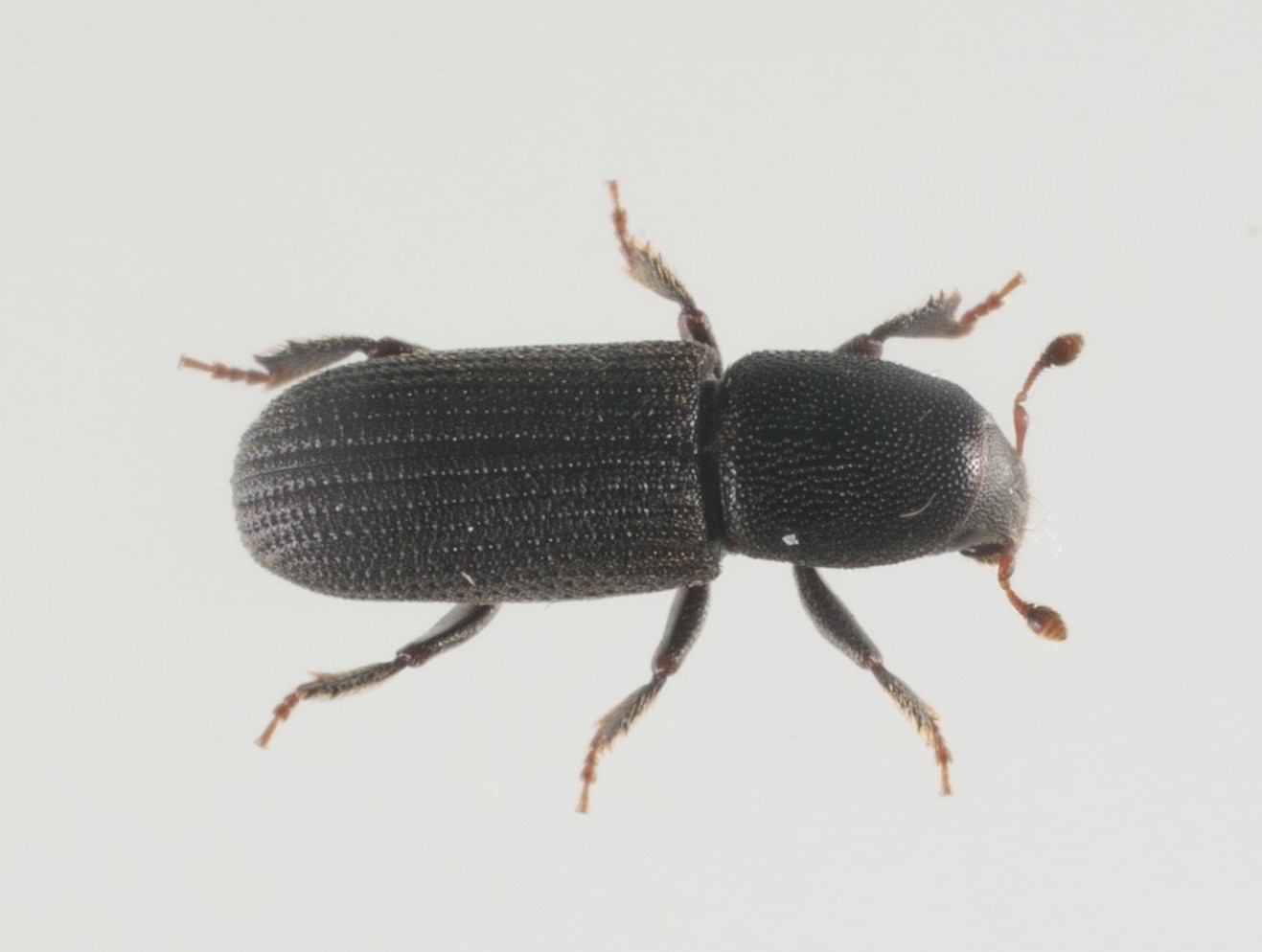
Black pine bark beetle (Hylastes ater).
To understand whether plant disease-causing fungi are being moved this way, Bioeconomy Science Institute scientists are identifying the species being carried on beetles found in New Zealand forests and orchards. “While a lot is known about the beetles, less is known about the fungi that travels with them,” task lead Darryl Herron says.
Since 2024, researchers across the Bioeconomy Science Institute, including teams from Lincoln, Rotorua, Ruakura, Auckland and Motueka, have been collaborating to trap bark and ambrosia beetles across New Zealand and analyse the fungi they carry, through projects funded by Better Border Biosecurity (B3) and Zespri.
By combining expertise and sampling capability across teams and sites, this work has revealed a broad range of fungal associates linked to native and introduced beetle species. While most of these fungi are common plant associates, the team has detected species with the potential to disrupt plantation forestry, horticulture and native ecosystems if conditions change or new beetle species arrive.
These programmes also include assessing potential risks to native bush, urban environments and botanical collections and monitoring beetle activity in and around orchards, where new associations and increased aggressiveness in the beetle-fungal system could pose future threats.
Bark and ambrosia beetles tunnel into trees and interact with fungi in different ways. The latter carry and cultivate specific fungi, while the former pick up a more mixed assortment. Together, they’re associated with a wide range of woody plants across plantation forests, orchards, urban areas and the native estate. Their rapid breeding ability means beetle numbers can rise quickly – so their fungal passengers are never short of taxis.
“It’s often these fungi that cause the greatest harm,” Darryl says. “Some fungal species block a tree’s ability to move water and nutrients, weaken natural defences or accelerate disease, particularly when trees are already stressed by drought, age or harvesting activity.
“By identifying these fungal “passengers”, we’re building a clearer picture of the microscopic communities being moved across New Zealand and which beetles are more important to focus on from a biosecurity perspective. This helps us assess whether these beetles have the potential to facilitate the movement of fungi not currently established in New Zealand.”
Overseas, certain beetle–fungus partnerships have caused extensive forest dieback. “Our focus is understanding what risks exist here before those impacts occur,” Darryl says. “If we know which beetles can carry damaging fungi and where they’re moving, we can respond faster and reduce the risk to forests and export markets.”
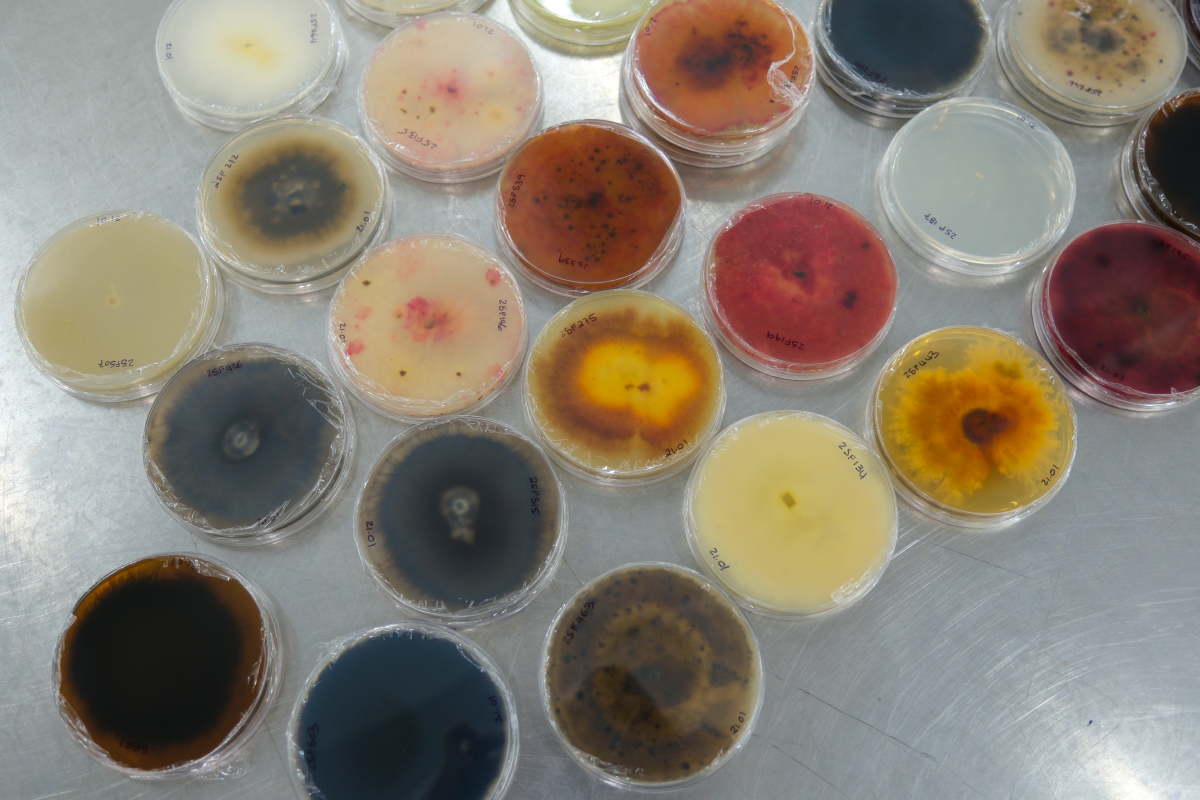
Fungal specimens on petri plates.
The research also contributes valuable information to national surveillance efforts led by the Ministry for Primary Industries (MPI) and industry partners, including the Forest Owners Association, alongside other research programmes. Understanding fungal diversity being carried on these tiny beetle taxis could help refine risk modelling tools, guiding where and how surveillance and monitoring is most effective and strengthening post‑border surveillance.
Together, these investments support New Zealand’s ability to stay ahead of emerging biosecurity risk, helping protect forests, horticulture and ecosystems and the industries and communities that depend on them. “Maintaining strong biosecurity pathways is critical for protecting plantation forestry and export markets,” Darryl says.
Because bark and ambrosia beetles can occasionally arrive in wood packaging and untreated wood products brought into New Zealand, sector and public awareness remains vital. Anyone noticing a stand of dying trees accompanied by significant insect activity around them is asked to report it to MPI (https://report.mpi.govt.nz/pest/). People are also asked to report any sightings of dying individual trees accompanied by significant insect activity to the Bioeconomy Science Institute (fhdiagnostics@scionresearch.com) with a clear photo of the damage and insect activity, with the GPS coordinates or address.
Media contact
Bioeconomy Science Institue - Scion Group
Justine McLeary - Communications & Media Lead
+64 (022) 402 3526
justine.mcleary@scionresearch.com
Media contact
If you’re a journalist interested in this news, please contact a member of the communications team:
Greg Ford, Principal Communications Advisor
Email: greg.ford@agresearch.co.nz
Mobile: +64 (0)21 832 351
Justine McLeary, Senior Communications Advisor
Email: justine.mcleary@scionresearch.com
Mobile: +64 (0)27 241 5649
Maja Burry, Senior Communications Advisor
Email: maja.burry@plantandfood.co.nz
Mobile: +64 (0)27 437 5408