
Monday, 3 August 2026
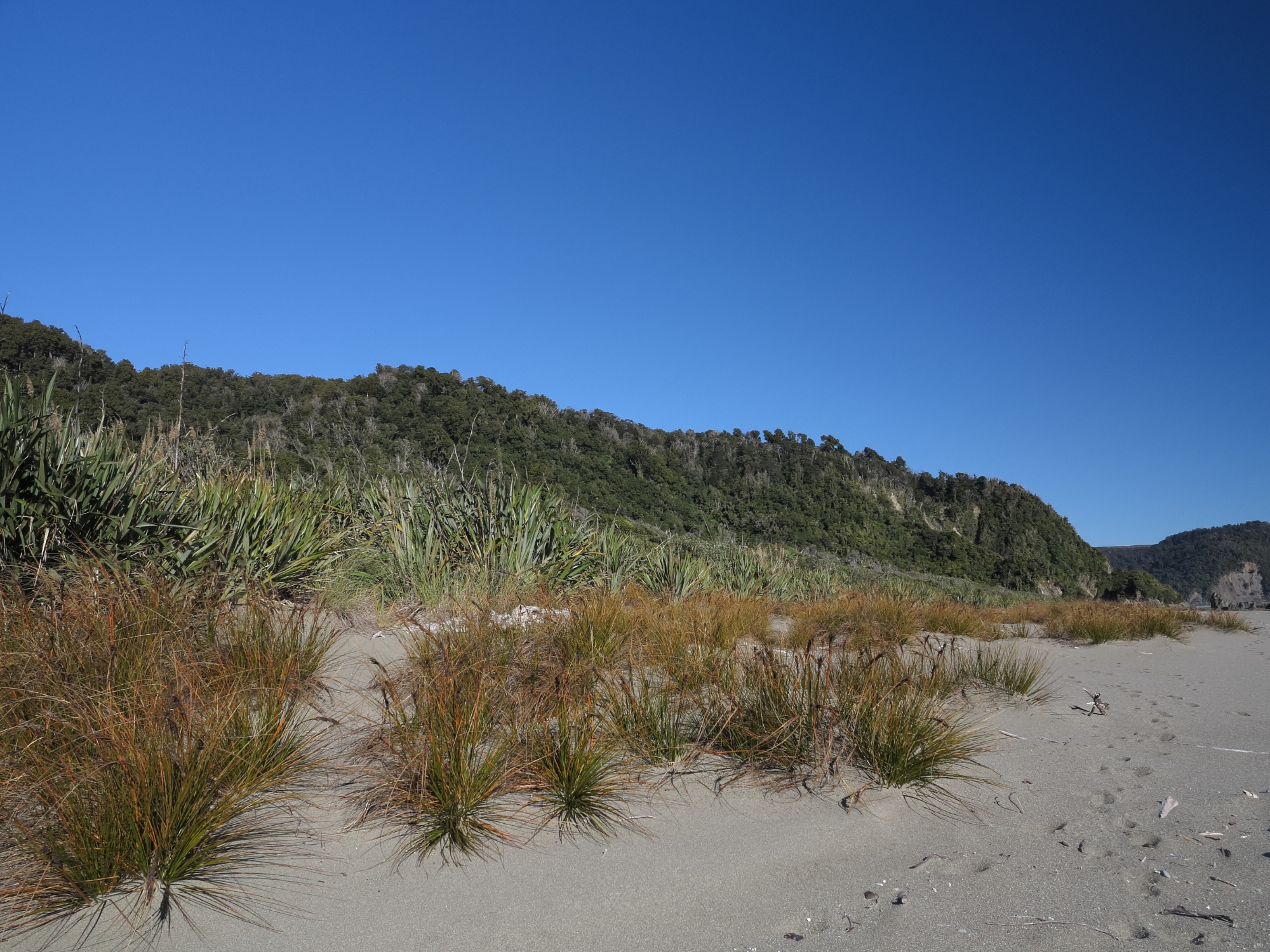
Active dune, Stafford Bay. Image: Adrian Monks.
Led by the Bioeconomy Science Institute Maiangi Taiao, the two-year project will develop practical tools and monitoring approaches for naturally uncommon ecosystems such as coastal sand dunes, gravel beaches, coastal wetlands and geothermal areas.
These ecosystems comprise only a small part of New Zealand’s landscape but support unique plants, animals and ecological communities that have adapted to survive in challenging conditions. Many of them change naturally due to wind, waves and storms, making it challenging to distinguish between normal environmental change and emerging threats.
Project co-lead Sarah Richardson says these areas are familiar to many New Zealanders but often overlooked as important biodiversity hotspots. “They are also often isolated and can be particularly vulnerable to pressures such as land-use change, invasive species and climate change.
“Their locations can make them challenging to monitor effectively,” she says.
The work will focus on improving how naturally uncommon ecosystems are identified, assessed and tracked over time, providing councils with clearer information about ecosystem health and change.
"The project will help provide a stronger evidence base for protecting some of the country’s most distinctive natural environments – helping land managers identify environmental change, prioritise conservation efforts and make more informed decisions,” Sarah says.
“By combining ecological expertise with new monitoring technologies and environmental data, the project aims to give councils a more accurate picture of ecosystem condition and change. The tools developed will help identify areas at risk, prioritise management actions and improve long-term environmental stewardship – helping ensure these ecological treasures are preserved for future generations.”
The Bioeconomy Science Institute is partnering with regional councils and other environmental stakeholders to ensure the tools developed are practical, cost-effective and meet real-world management needs.
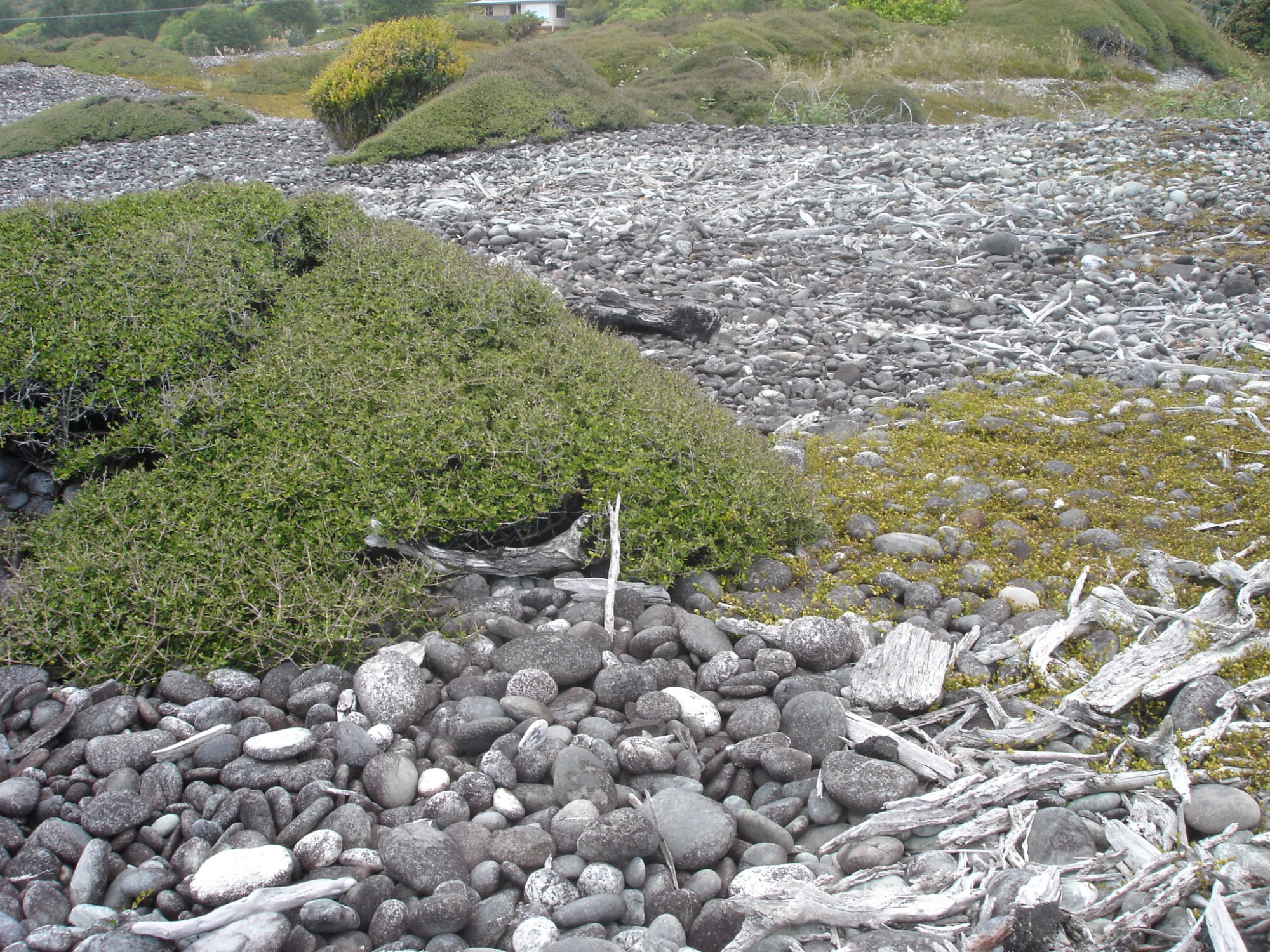
Shingle on Cobden Beach, West Coast. Image: Susan Wiser
Media contact
If you’re a journalist interested in this news, please contact a member of the communications team:
Greg Ford, Principal Communications Advisor
Email: greg.ford@agresearch.co.nz
Mobile: +64 (0)21 832 351
Justine McLeary, Senior Communications Advisor
Email: justine.mcleary@scionresearch.com
Mobile: +64 (0)27 241 5649
Maja Burry, Senior Communications Advisor
Email: maja.burry@plantandfood.co.nz
Mobile: +64 (0)27 437 5408