
Wednesday, 4 March 2026
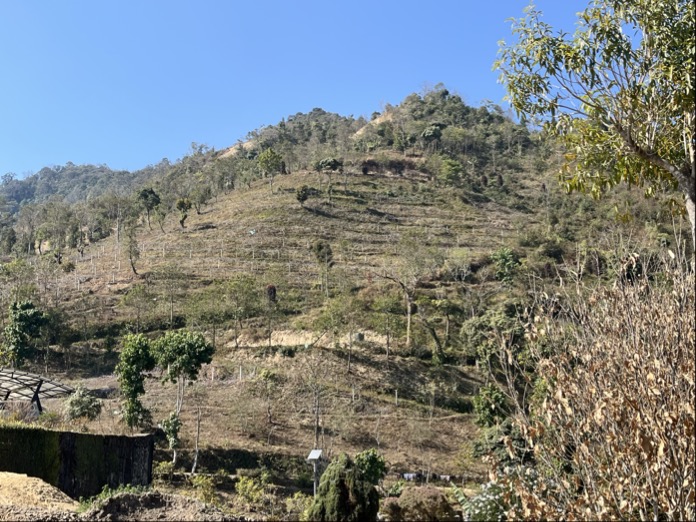
The Bioeconomy Science Institute Maiangi Taiao will deliver science and technical support to the Kiwifruit Action Plan (KAP), a five-year project to develop sustainable green kiwifruit production, quality and supply chain systems for Indian conditions. At the same time, the New Zealand-India Free Trade Agreement will provide access for New Zealand-grown kiwifruit to the Indian market, building consumer demand.
Bioeconomy Science Institute scientists will work with Indian government horticultural staff at national and state levels to develop Centres of Excellence (COEs) and model orchards in key growing communities in India. These COEs will develop and showcase best practice production and postharvest systems for green kiwifruit and provide training for growers and supply chain stakeholders. The programme will also include technical visits to New Zealand for Indian farmers to improve their knowledge of established systems and processes.
“Kiwifruit has been identified as a priority crop by several state governments, with strong potential for growth, given market demand. We see real opportunity for Indian orchards to improve their production and supply chain practices of green kiwifruit, boosting yields and quality and getting more fruit to market,” says Dr Steph Montgomery, who will lead the project for the Bioeconomy Science Institute.
“New Zealand is the world leader in kiwifruit and - given production is counter-seasonal to India - there is significant room for cooperation between the two countries.
“We’ve already been out in the field meeting with growers and Indian officials, and the passion they have for their work and their thirst for knowledge is clear. We’re looking forward to working with these farmers to improve their livelihoods, while supporting New Zealand’s ambitions overseas.”
The Kiwifruit Action Plan will be managed through the Bioeconomy Science Institute’s international development team together with India’s Ministry for Agriculture and Farmers Welfare and the state governments where the COEs are established. A flagship project for broader New Zealand-India collaboration, the Kiwifruit Action Plan is part of the Horticulture Memorandum of Cooperation signed during Prime Minister Christopher Luxon’s trade delegation to India in March 2025.
“Our team have been working with Zespri, New Zealand’s Ministry for Primary Industries and Ministry of Foreign Affairs and Trade, and the Government of India to develop this research project and deliver improved market access for New Zealand for several years,” says Bioeconomy Science Institute CEO Mark Piper.
“By working in areas like India, our scientists not only use their expertise to help improve the livelihoods of smallholder farmers but they also gain experience working in different environments and climatic conditions. This adds to our bank of global climate change mitigation and adaptation knowledge, which may be relevant in the New Zealand environment.
“For the kiwifruit sector, the proposal will allow Zespri to grow exports to India and support the development of a key market. Indian growers will benefit from Zespri’s ability to build demand and value for the kiwifruit category,” says Mr Piper.
In 2023/24, India produced around 18,280 tonnes of kiwifruit from 5,390 hectares of orchard. Adoption of best practice nursery, orchard management and postharvest protocols have the potential to increase Indian green kiwifruit production by up to 10 times.
Media contact
Emma Timewell
Communications Manager
+64 (0)21 242 9365
emma.timewell@plantandfood.co.nz
Media contact
If you’re a journalist interested in this news, please contact a member of the communications team:
Greg Ford, Principal Communications Advisor
Email: greg.ford@agresearch.co.nz
Mobile: +64 (0)21 832 351
Justine McLeary, Senior Communications Advisor
Email: justine.mcleary@scionresearch.com
Mobile: +64 (0)27 241 5649
Maja Burry, Senior Communications Advisor
Email: maja.burry@plantandfood.co.nz
Mobile: +64 (0)27 437 5408