
Thursday, 30 July 2026
The Bioeconomy Science Institute Maiangi Taiao entomologist has spent the past 30 years researching how insects interact with plants, gathering valuable insights to help protect New Zealand’s primary industries.
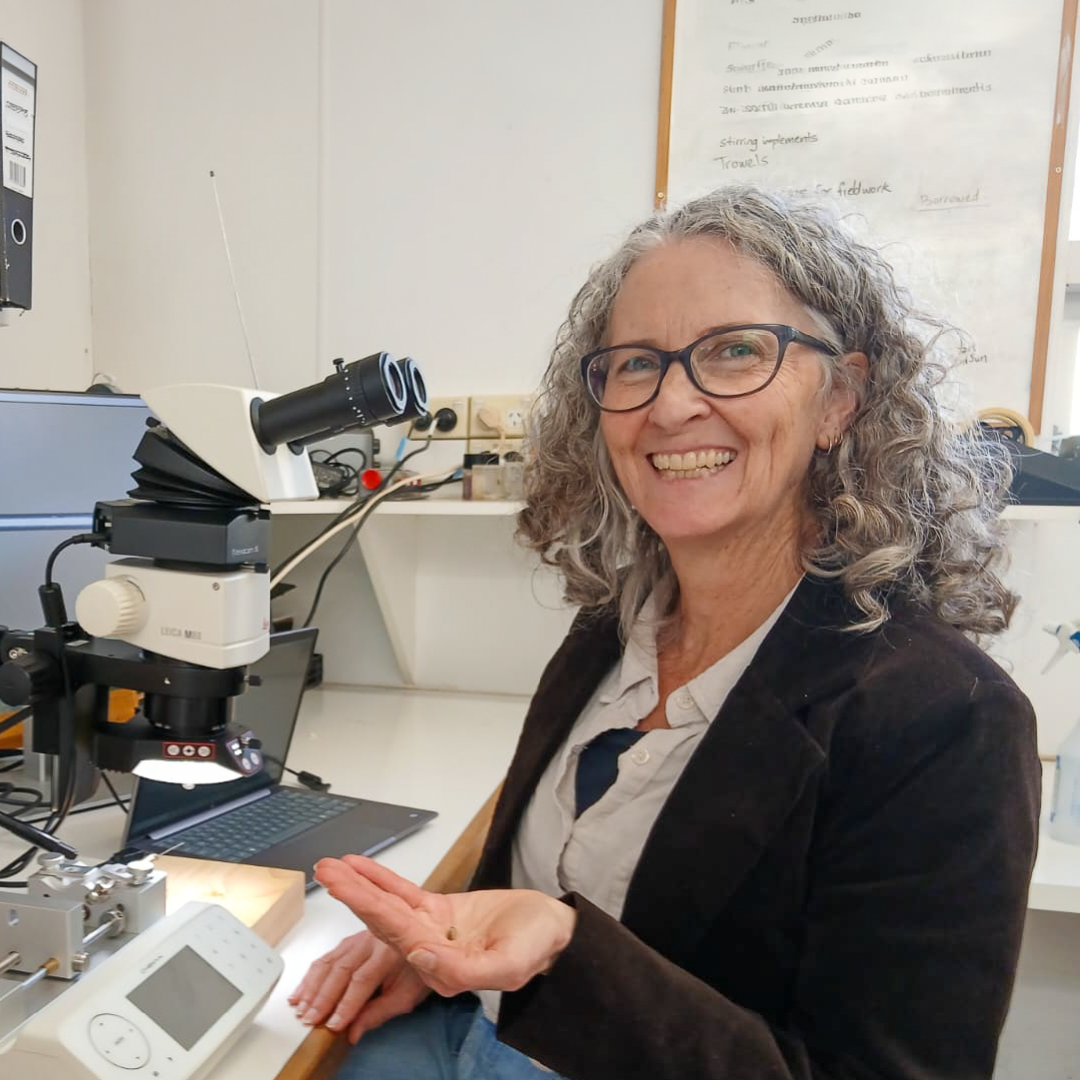
Her mahi, alongside her colleagues, has led to practical innovations that help farmers manage pests, grow more resilient pastures and improve animal health.
One of the most significant breakthroughs was the development of AR37, a safer endophyte for perennial ryegrass. AR37 not only helps protect ryegrass from major pests, such as the black beetle and Argentine stem weevil, but also boosts pasture growth and improves animal health.
Prior to AR37, many farmers were struggling to manage ryegrass staggers – a disease caused by a toxin produced by a fungal endophyte. The toxin affects an animal’s nervous system and can cause them to stagger.
Joanne was part of the team that developed the new endophyte, which is estimated to have delivered a $3.6 billion return to the New Zealand economy.
“For most of my career I have worked on Epichloё endophytes in grasses – perennial ryegrass, tall fescue and meadow fescue – and how they interact with the plants they infect and the insects that feed on them,” says Joanne.
More recently, Joanne has been investigating sleeper pests – species already established in New Zealand that are a risk of becoming a widespread problem due to climate change.
These pests are currently restricted to certain regions or only cause damage when conditions are favourable. However, changing temperatures and weather patterns could shift where they survive, how quickly they reproduce and the scale of damage they cause.
Joanne is researching how the primary industry can stay ahead of this ticking time bomb.
“It’s really important that we think ahead to what conditions will be like under climate change so that we can understand what insect pests will be around and what we can do about them. We can start to develop more resilient pasture plants and understand how to manage pastures to reduce their damaging effects,” she says.
That work also depends on strong relationships with farmers and rural professionals. Joanne is interested in better ways to share knowledge, support pest identification and create simple pathways for people on the ground to report what they are seeing.
“We don’t have the resources to monitor insect populations across the country, so we rely on information from others to know what pests are problematic and where they are.
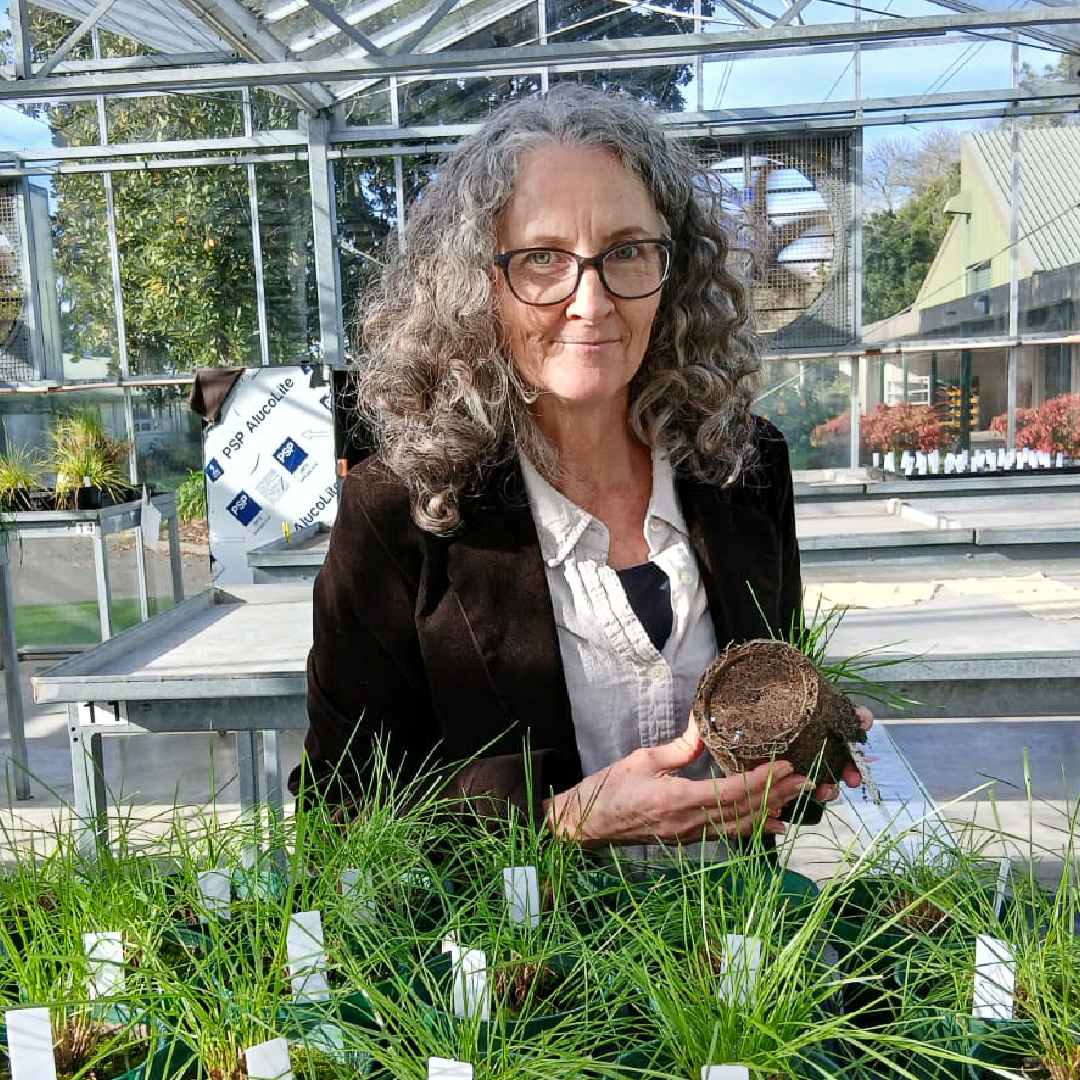
“If we could help farmers to recognise insect pests and give them an easy pathway to report them it would help us to understand the challenges that they’re facing and develop research goals that will help. It would also have important benefits around biosecurity,” Joanne says.
One sleeper pest Joanne is watching closely is tropical armyworm, which could have serious impacts if it spreads more widely across the country.
The tropical armyworm feeds primarily on broadleaf plants, including clover, lucerne, plantain and chicory – species farmers often plant to build pasture resilience.
Joanne says the tropical armyworm, which is closely related to the fall armyworm, does all of the damage during its caterpillar stage.
Having grown up on dairy farms across the Waikato, Joanne has seen first-hand the challenges farmers face and the importance of practical, science-based solutions.
Her career began with a simple desire to understand why things happen and how they work.
“I learned years ago that not everyone questions those things all the time like scientists do and maybe it’s who we are, not just what we do.
“I love that science lets us keep asking questions, learning new things and finding practical ways to help farmers and protect our pastures.
“I can’t imagine any other job that would give me the same satisfaction and variety. How cool is it that we get to learn new things all the time and share those things with others and that those things can help make other people’s lives better!”
Joanne’s interest in insects began during a university research project with AgResearch scientist Dr Ron Prestidge. The experience gave her a first taste of applied science and introduced her to entomology.
“I hadn’t ever been particularly interested in insects, but they turned out to be fascinating,” Joanne says.
Media contact
If you’re a journalist interested in this news, please contact a member of the communications team:
Greg Ford, Principal Communications Advisor
Email: greg.ford@agresearch.co.nz
Mobile: +64 (0)21 832 351
Justine McLeary, Senior Communications Advisor
Email: justine.mcleary@scionresearch.com
Mobile: +64 (0)27 241 5649
Maja Burry, Senior Communications Advisor
Email: maja.burry@plantandfood.co.nz
Mobile: +64 (0)27 437 5408