
Tuesday, 23 June 2026
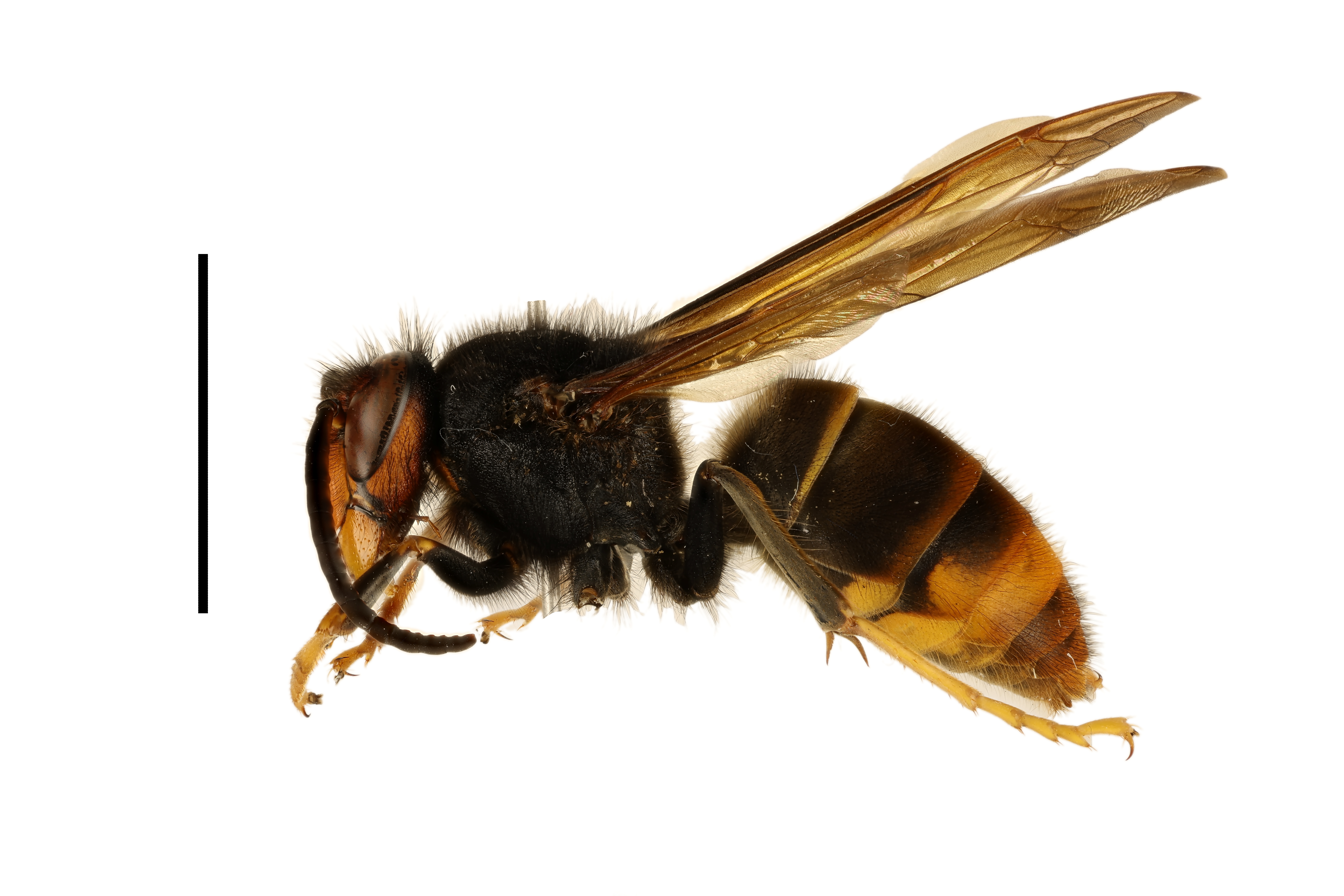
A yellow-legged hornet. Image credit: Biosecurity New Zealand.
The Bioeconomy Science Institute Maiangi Taiao is undertaking four research projects to support the current yellow‑legged hornet biosecurity response, as well as long‑term biosecurity preparedness.
The yellow‑legged hornet (Vespa velutina) was first reported in Auckland in October 2025 and poses a significant threat to insects including honeybees and native pollinators. Biosecurity New Zealand is continuing to target eradication, with no new detections of the invasive species since April.
Two modelling projects are being undertaken by scientists at the Bioeconomy Science Institute, one focuses on identifying areas most at risk of ongoing hornet presence, while the other explores the potential impacts the pest could have if it were to establish itself in non‑urban parts of New Zealand.
The Institute’s Yellow‑legged Hornet Elimination Response research leader Dr Lloyd Stringer says the research projects build on the technical expertise that has been provided by scientists since the beginning of the response. He says modelling work will help give Biosecurity New Zealand greater confidence around whether the hornet has been fully eradicated from the North Shore and the rest of New Zealand.
“One of these modelling projects utilises the valuable data collected during the more than 17,000 suspect hornet reports, most of which were not hornets. These submissions provide a wealth of information of where the hornets are, and so far aren’t. This approach can be adapted for use again during future responses to other incursions by similar pests, where public reporting is among the most important detection methods.”
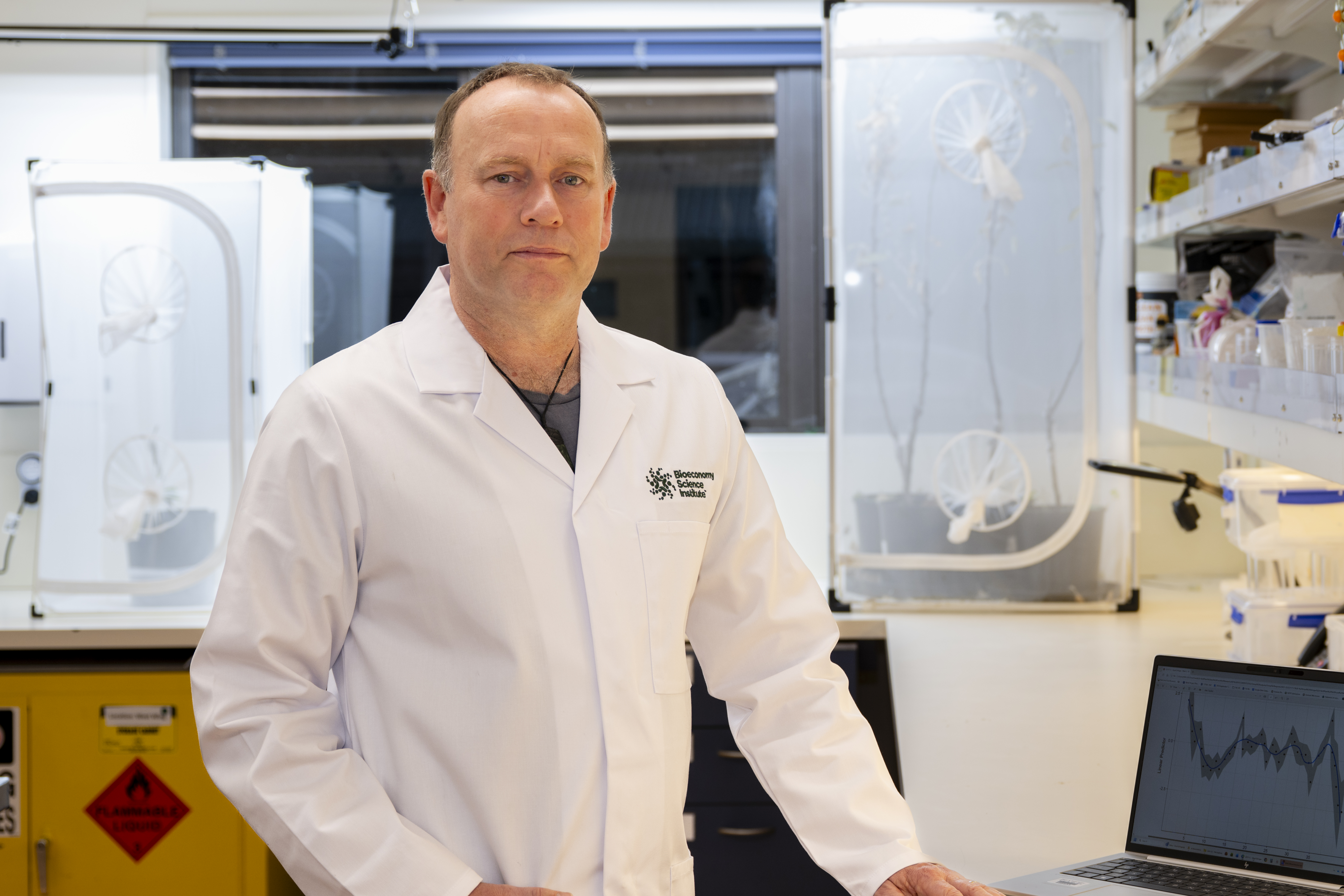
Bioeconomy Science Institute entomologist Dr Lloyd Stringer.
Dr Stringer says the remaining two projects focus on stakeholder engagement and preparedness. One project is developing targeted science communications to build understanding among Māori communities of the threat yellow‑legged hornets pose.
The second project involves developing a high‑level readiness package for the honey and pollination sectors, drawing on international experience and New Zealand’s eradication learnings to support beekeepers if long‑term management were ever to become necessary.
“While eradication is looking very promising, this response provides an opportunity for our apiculture experts to review the tools and approaches used by beekeepers in countries where the hornet is established. Part of this work is looking to engage with experts in South Korea and the United Kingdom, with a view to drawing on beekeeping management practices in these countries where possible,” says Dr Stringer.
The research projects are funded through internal investment by the Bioeconomy Science Institute, using the Ministry for Business, Innovation and Employment’s Strategic Science Investment Fund (SSIF).
Media contact
Maja Burry - Senior Communications Advisor
Bioeconomy Science Institute
+64 (027) 437 5408 maja.burry@plantandfood.co.nz
Media contact
If you’re a journalist interested in this news, please contact a member of the communications team:
Greg Ford, Principal Communications Advisor
Email: greg.ford@agresearch.co.nz
Mobile: +64 (0)21 832 351
Justine McLeary, Senior Communications Advisor
Email: justine.mcleary@scionresearch.com
Mobile: +64 (0)27 241 5649
Maja Burry, Senior Communications Advisor
Email: maja.burry@plantandfood.co.nz
Mobile: +64 (0)27 437 5408