
Friday, 17 April 2026
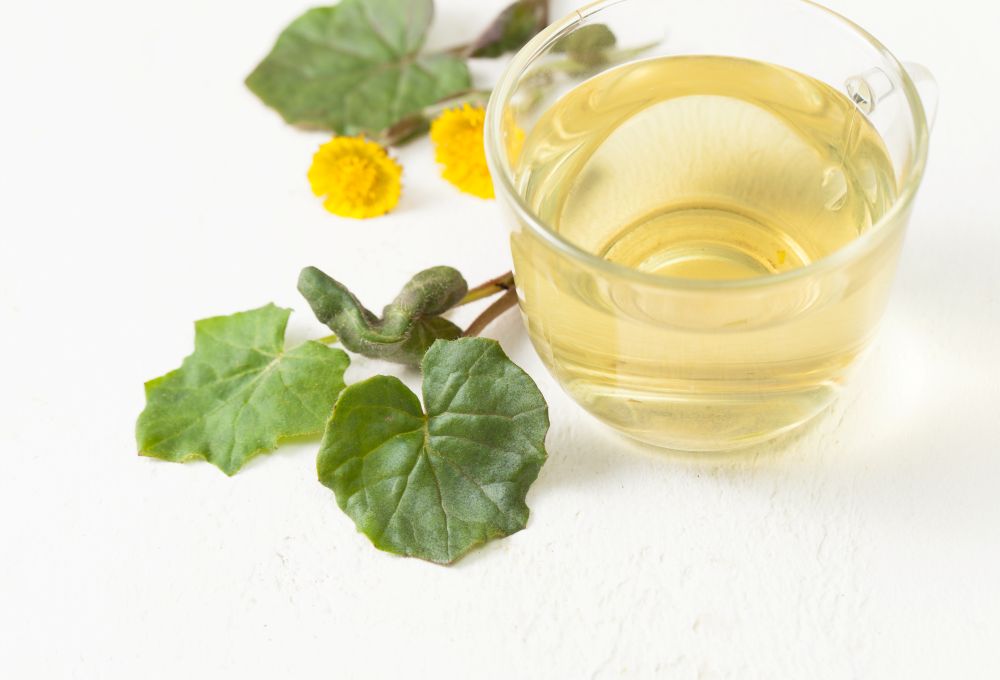
Researchers at the Bioeconomy Science Institute are looking for adults aged 18—65 with pre-diabetes to take part in a research study investigating whether native herbal teas made from Aotearoa New Zealand plants can help support healthier blood glucose responses after eating, and whether daily consumption over six weeks may influence inflammation and overall wellness.
Spikes in blood glucose after meals can have long-term health effects over time. Across many cultures, plant-based teas and herbal infusions have traditionally been used to support wellbeing — and modern research is increasingly exploring how some herbs may help by reducing inflammation, improving insulin sensitivity, and slowing glucose absorption.
This study will help us understand the short-term effects of native herbal tea on blood glucose after a meal, as well as its longer-term effects after six weeks of daily consumption.
What's involved
- 3 weekday-morning visits to our Palmerston North or Mt Albert, Auckland clinical facility (about 3 weeks apart)
- 6 weeks of drinking either a native herbal tea or water at home
- A simple study meal and blood glucose monitoring during visits
- Short questionnaires and brief check-ins from the study team
Participants will receive a cash koha as a thank-you for their time.
$20 for the screening visit, $50 for the first study visit, $50 for mid-point check in and $150 for the final study visit (up to $270 total).
Full study details will be discussed before you decide to take part.
Who we're looking for
You may be eligible if you:
- Are aged 18–65
- Have pre-diabetes
- Are generally well and able to attend three morning visits
- Are willing to drink tea (or water) daily for 6 weeks
You can’t take part if you:
- Are pregnant or breastfeeding
- Smoke or vape
- Are currently in another clinical study
- Have certain medical conditions or take medications that affect blood properties.
Why take part?
By joining this study, you’ll help researchers explore whether native plants could play a role in supporting healthier blood sugar responses — knowledge that may guide future nutrition research and innovation.
Join this study
This study was approved by the Health & Disabilities Ethics Committees. Ethics reference 2026 EXP 24649.
Media contact
If you’re a journalist interested in this news, please contact a member of the communications team:
Greg Ford, Principal Communications Advisor
Email: greg.ford@agresearch.co.nz
Mobile: +64 (0)21 832 351
Justine McLeary, Senior Communications Advisor
Email: justine.mcleary@scionresearch.com
Mobile: +64 (0)27 241 5649
Maja Burry, Senior Communications Advisor
Email: maja.burry@plantandfood.co.nz
Mobile: +64 (0)27 437 5408