
Wednesday, 27 May 2026
GenomNZ, a standalone business unit of the Bioeconomy Science Institute Maiangi Taiao, won the supreme award in recognition of its leadership in commercialising genomic technologies that have delivered lasting productivity, resilience and environmental gains across New Zealand’s primary sectors.
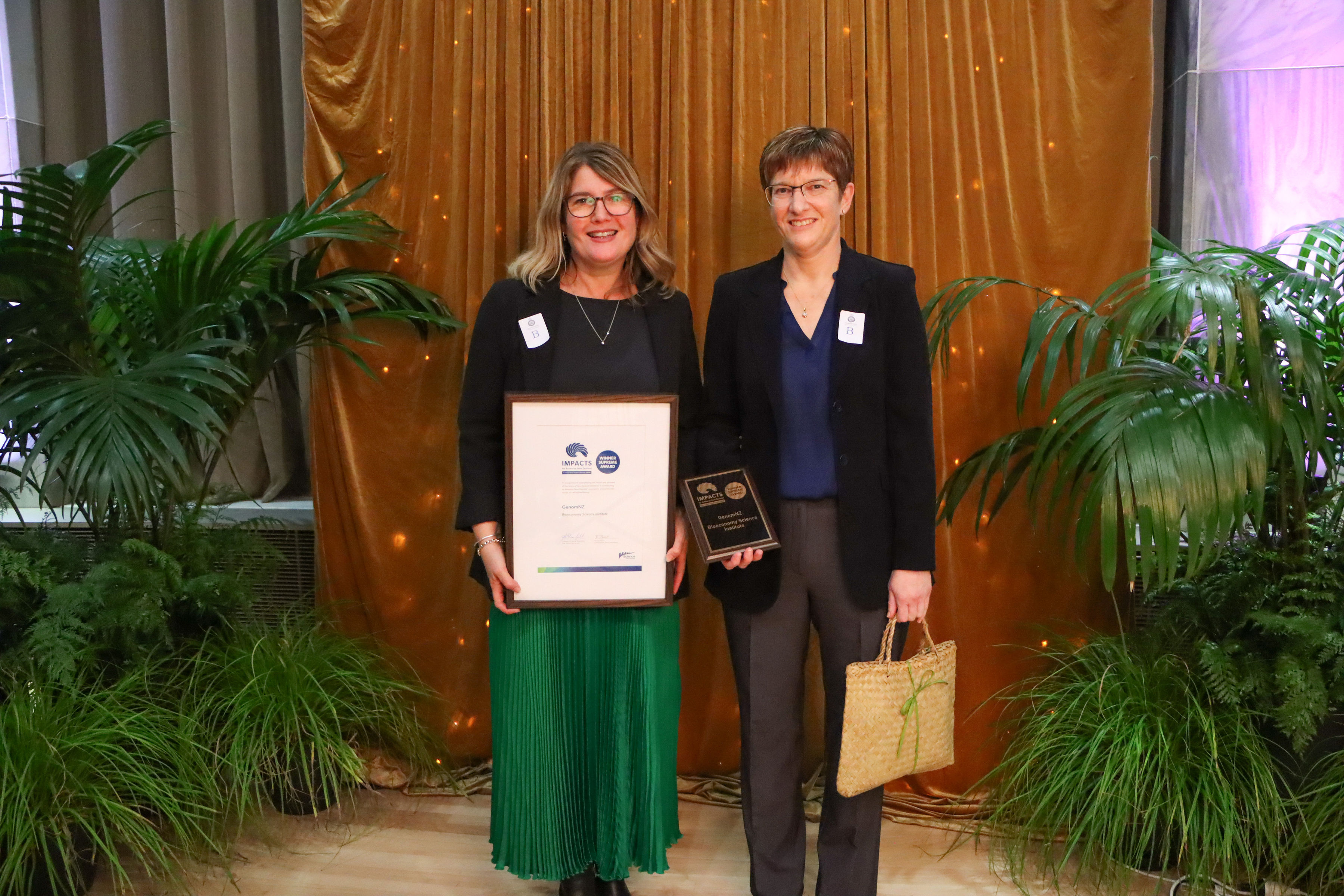
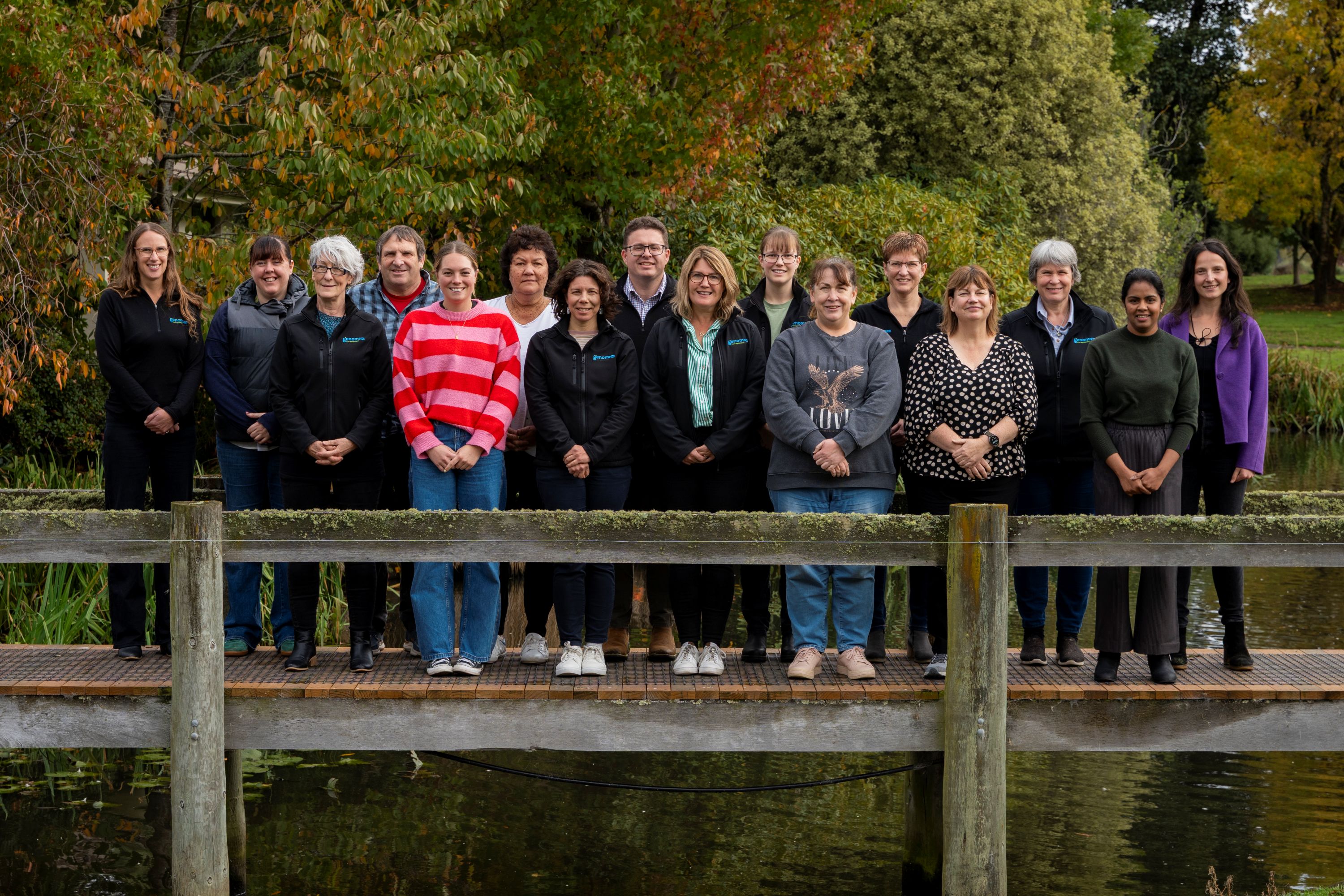
GenomNZ, which also won the commercialisation category at the awards, turns research into commercial tools which farmers use across sheep, cattle, deer and goat industries to support faster, more informed breeding decisions.
These technologies have delivered an estimated $1.11 billion in economic benefit to New Zealand’s livestock sector.
The Science New Zealand judges said GenomNZ “is a textbook example of what this award is designed to celebrate – science that has moved from the lab into the commercial world with lasting, measurable results.
“GenomNZ has developed genomic platforms, genotyping-by-sequencing services, and nationally integrated breeding-value systems that are now industry standards across New Zealand's livestock sector. Their genomic technologies have led to improved productivity, better survival rates, and environmental efficiency over the long term across New Zealand’s economically vital primary sector supporting economic growth and the country’s international reputation.”
These impacts include contributing around $54 million in value each year through improved lamb survival alone.
The Science New Zealand Awards celebrate excellence in science, innovation and technology across New Zealand’s public research organisations.
They were held last night in the Banquet Hall of the Parliament Buildings in Wellington.
A “thrilled” GenomNZ commercial manager Callum Livingston said: “What began with basic DNA parentage testing in 1995 has evolved into sophisticated chip and sequencing-based technologies, positioning New Zealand as a world leader in agricultural genomics.
“GenomNZ’s services enable breeders to select animals earlier and more accurately for traits including weaning weight, feed efficiency, meat quality, parasite resistance and greenhouse gas emissions per kilogram of product, delivering faster genetic gain, improved animal health and welfare, and greater efficiency.
“New Zealand’s national sheep flock is now around half the size it was in 1990, yet the country continues to produce similar volumes of lamb. Production per ewe has increased by 114 percent, while carcass weights have risen by at least 28 percent. This reflects a broader shift toward producing more with fewer inputs, supported by genomic selection tools.
“GenomNZ now supports around 70 percent of NZ's sheep genotyping.”
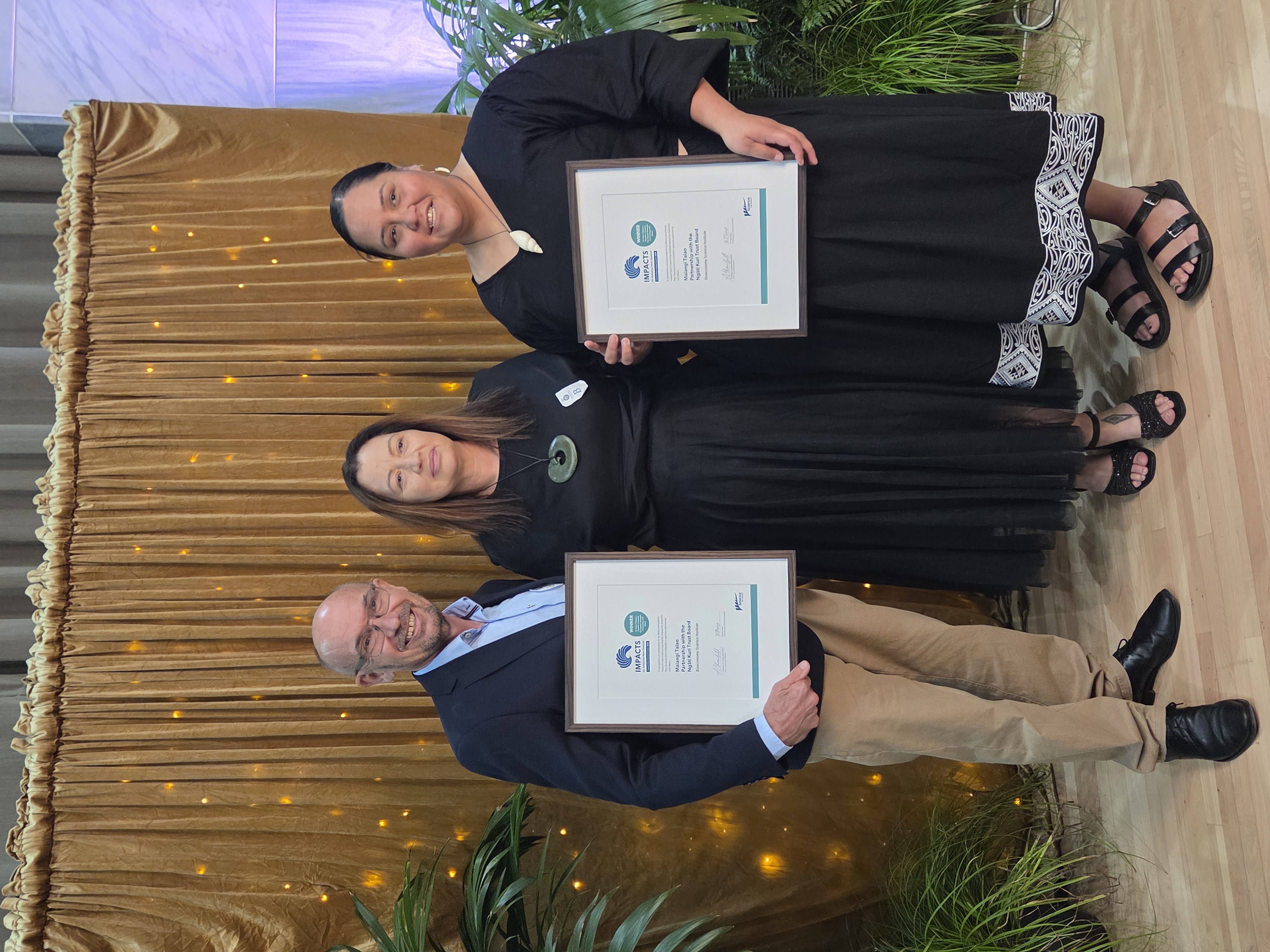
Meanwhile, the Bioeconomy Science Institute Maiangi Taiao won the Te Tohu Tūhura award for impact through partnering with Māori.
The award recognised the 50-year partnership with the Ngāti Kuri Trust Board and the combined work to bring kaikōmako, one of the world's rarest trees, back from the brink, and support to the iwi to rebuild its scientific capability.
With the help of the Bioeconomy Science Institute, Ngāti Kuri established its own Te Ara Whānui Research Centre in 2022.
Dr Peter Bellingham from the Bioeconomy Science Institute said the: “relationship goes back 50 years to the days of the old DSIR, through Manaaki Whenua Landcare Research, through to now the Bioeconomy Science Institute.
“It is a very important relationship based on moana, whenua and tangata.
“[The successful relationship is based on] listening hard, going to hui, going to wānanga and saying, ‘how can we support, what are the skills and capabilities that we can bring that will help answer your questions, and then how can we build capacity so that you can do that yourself if that’s what you want to do.”
Media contact
If you’re a journalist interested in this news, please contact a member of the communications team:
Greg Ford, Principal Communications Advisor
Email: greg.ford@agresearch.co.nz
Mobile: +64 (0)21 832 351
Justine McLeary, Senior Communications Advisor
Email: justine.mcleary@scionresearch.com
Mobile: +64 (0)27 241 5649
Maja Burry, Senior Communications Advisor
Email: maja.burry@plantandfood.co.nz
Mobile: +64 (0)27 437 5408