
Thursday, 4 June 2026
The research, led by the Bioeconomy Science Institute Maiangi Taiao and funded by the Australian Meat Processor Corporation (AMPC), has focused on collagen extracted from traditionally underutilised sheep lungs and skin.
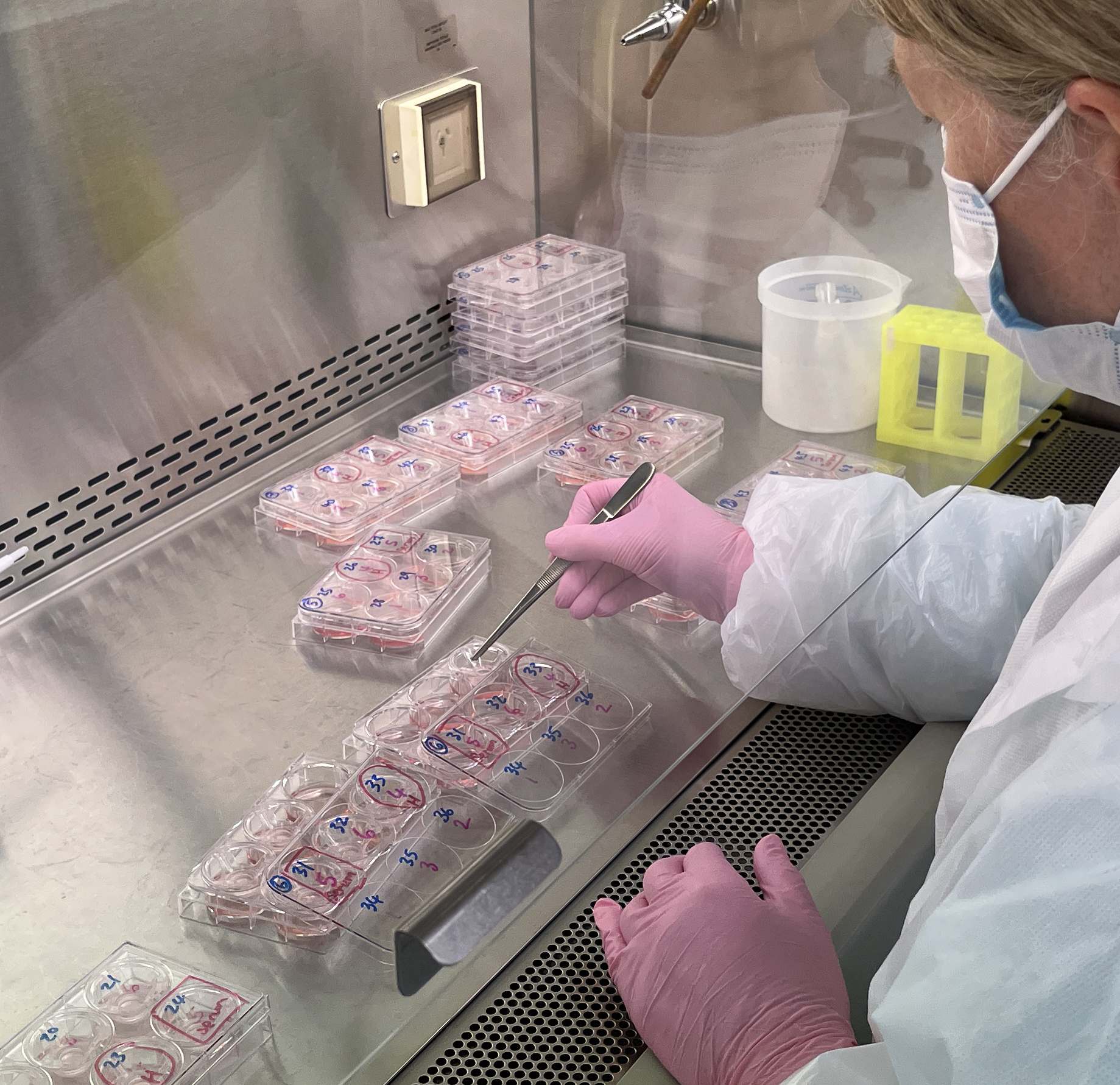
The early results are promising and indicate the approach could create new value from low‑value meat industry by‑products, while also contributing to more sustainable, bio‑based medical materials.
Bioeconomy Science Institute senior scientist Dr Santanu Deb-Choudhury, who is leading the research, says the project emerged after identifying a gap in the wound care market for products that combine multiple types of collagen.
“Many wound care dressings primarily rely on Type I collagen, but often lack Type III collagen, which plays a critical role in the early stages of healing,” Dr Deb‑Choudhury says.
“By extracting collagen from both sheep skin and lungs, we’re able to create mixed‑collagen materials that better support the healing process.”
While collagen extraction from animal by-products is not new, Dr Deb‑Choudhury says the technique developed by the Bioeconomy Science Institute is distinct in its ability to preserve the collagen’s natural structure and functionality.
Using mild extraction conditions, the team was able to isolate both Type I and Type III collagen without causing degradation, producing high‑quality collagen in its native form.
“We found lung tissue provides a higher proportion of Type III collagen compared with skin,” Dr Deb‑Choudhury says.
“Type I collagen contributes strength and structure, while Type III collagen supports key biological processes during wound repair.”
As part of the study, peptides derived from lung collagen using specific enzymes were combined with skin‑derived collagen to produce collagen mats.
“These mats demonstrated good stability in simulated wound fluid, confirming their potential as effective, bioactive wound dressings,” Dr Deb‑Choudhury says.
The work demonstrates how science can unlock additional value across the red meat supply chain.
“This research shows how we can reduce waste, improve sustainability outcomes, and open new opportunities in high‑value medical and biomaterials applications from by-products.”
For more information, see the related media release issued by the Australian Meat Processor Corporation: https://ampc.com.au/news-events/media-releases/collagen-wound-healing/
Media contact
If you’re a journalist interested in this news, please contact a member of the communications team:
Greg Ford, Principal Communications Advisor
Email: greg.ford@agresearch.co.nz
Mobile: +64 (0)21 832 351
Justine McLeary, Senior Communications Advisor
Email: justine.mcleary@scionresearch.com
Mobile: +64 (0)27 241 5649
Maja Burry, Senior Communications Advisor
Email: maja.burry@plantandfood.co.nz
Mobile: +64 (0)27 437 5408