
Welcome
Welcome to the second Indigenous Plant Fibres Symposium, hosted by the Bioeconomy Science Institute Maiangi Taiao, which builds on the momentum of our inaugural hui.
Indigenous plant fibres are taonga and have an essential role for indigenous communities across the world, including Aotearoa where our indigenous plant fibres such as harakeke, tī kōuka, pīngao, and Raupō are used for a multitude of purposes including designer outfits and intricate art pieces, to shelter and weed mats.
While the purpose of using these plant fibres may vary, mātauranga Māori and tikanga used to grow, harvest and transform these fibres is culturally significant.
Today, there is a growing interest in sustainable practises in all aspects of life and to collaboratively explore the potential of indigenous plant fibres in a circular bioeconomy.
This symposium’s theme continues with ‘Supporting an Indigenous Plant Fibres Value Chain in Aotearoa’, which considers cultural, social, and environmental impacts alongside economic opportunities within growing, processing, and product development.
When complemented with research, incorporating indigenous plant fibres into a circular bioeconomy can bring significant benefits. By utilising indigenous plant fibres, as renewable resources, and incorporating them into various industries, we reduce our reliance on non-renewable resources and decrease waste, contributing to a more sustainable future for our mokopuna.
Presenters
Dr Jacqueline McRae-Tarei, Dr Gloria Taituha, and Dr Rose Te Ratana
Ngā Wā o te Ahumahi Harakeke
Kristy Hill and Tama Hovell
Waiririki in Te Ao Rongoa
Katarina Tawiri
From Pā Harkeke to Publication: Kaitiakitanga, Cultivars and Community
Tamalene Painting and Dr Oscar Montes de Oca
Relocatable Harakeke Processing platform for rural economic transformation
Ben Scales
KiwiFibre Innovations Ltd
Dr Rangituatahi Te Kanawa and Peter Brorens
Te Whiri Whitau
Mark Henderson
Ngāti Ruapani Co-op / Biotenax Ltd / HHH Lead
Dr Alec Foster
Bioeconomy Science Institute Maiangi Taiao
Presenter Biographies
 Dr Jacqueline McRae-Tarei
Kairaranga | Cultural Practitioner
Pepeha
Ko Tainui te waka
Ko Tapu Ariki te maunga
Ko Ohinemuri te awa
Ko Ngāti Tara Tokanui, ko Ngāti Tāwhaki ngā iwi
Ko Ngāti Pū te hapū
Ko Ngāhutoitoi me Hikutaia ngā marae
He uri ahau nō Hauraki
I whānau mai au i Paeroa
I tipu ake au i raro i te maru o Pūtauaki
Ko Jacqueline McRae-Tarei tōku ingoa
Jacqueline McRae-Tarei is a Kairaranga and Kairangahau whose work explores the interrelationships between toi raranga, mātauranga Māori, tikanga Māori, and Indigenous knowledge systems. Grounded in whakapapa and the traditions of Te Whare Pora, her practice is dedicated to sustaining cultural knowledge and weaving traditions for future generations.
Jacqueline completed both her Master of Arts and Doctor of Philosophy at Auckland University of Technology, with research focusing on the sustainability of tikanga within toi raranga and the experiences and contributions of Māori weavers throughout Aotearoa.
She currently serves as Takiwā Ako Manager for Te Wānanga o Aotearoa, supporting kaupapa Māori education, tauira success, and community development.
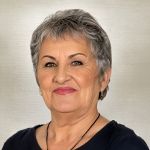 Dr Gloria Taituha
Kairaranga | Cultural Practitioner
Pepeha
Ko Kahuwera te maunga
Ko Mokau te awa
Ko Maniapoto te iwi
Ko Ngāti Paretekawa te hapū
Ko Parekāhuki te tupuna whare
Ko Turongonui te wharekai
Ko Napinapi te marae
Ko Gloria Taituha tōku ingoa
Gloria Taituha is a Cultural Practitioner and Kairaranga of Ngāti Maniapoto descent whose work reflects a deep connection to whenua, whakapapa, and traditional Māori weaving practices. Through toi raranga, she explores cultural storytelling, identity, and the preservation of mātauranga passed down through generations.
Her practice seeks to create meaningful symbols of identity that honour both tradition and contemporary expression. Grounded in the interconnectedness of mind, body, and spirit, Gloria’s work is underpinned by a collaborative methodology that reflects balance, creativity, and cultural integrity.
 Dr Rose Te Ratana
Kairaranga | Kaiako | Cultural Practitioner
Pepeha
Ko Mataatua te waka
Ko Hikurangi te maunga
Ko Rangitaiki te awa
Ko Tūhoe te iwi
Ko Ngāti Haka – Patuheuheu ngā hapū
Ko Waiohau te marae
Ko Tama-ki-Hikurangi te whare tūpuna
Ko Rose Te Ratana tāku ingoa
Rose Te Ratana is a descendant of Tūhoe, a weaver of fibres and of stories. The waters of the Rangitaiki flow within her, while Hikurangi stands as a pillar of identity and belonging. The pā harakeke is her place of learning — a space where the land speaks, the hands learn, and the heart remembers.
For more than 16 years, Rose has taught Māori weaving at Te Wānanga o Aotearoa, weaving together practical skill, cultural knowledge, and the nurturing of identity through toi raranga. Her practice is guided by tikanga and grounded in the responsibility of kaitiakitanga — ensuring that mātauranga handed down through generations continues to live, grow, and evolve.
To Rose, raranga is far more than weaving; it is story, whakapapa, and relationship. Through each strand of harakeke, the voices of the ancestors continue to speak, carrying connections between whenua, whānau, and future generations. Through her work, she honours these ancestral threads while sharing their enduring legacy with those who follow.
Kristy Hill
Ngāti Rangiwewehi, Ngāti Whakaue, Ngāti Whātua
Tama Hovell
Ngāti Uenukukopako, Ngāi Te Rangi, Ngapuhi
Kristy and Tama are Kaitiaki of a rongoā for the taiao called waiririki.
For 25 years, Kristy worked in the public sector, specialising in Treaty policy, and Tama practised in resource management law. In 2020, only months after the birth of their daughter Tuwairua, they were introduced to the rongoā teachings of tohunga Hohepa Delamere through Emaraina Mihaere and Potikai Schaumkell. They continued their training under Awhitia Mihaere and, as a result, turned their back on the law.
It was here that they met fellow rongoā student Senyuan Zheng from China, who introduced the class to the garbage enzyme. He trained under Chinese Dr Rosukon Poompanvong, the founder of the garbage enzyme. Awhitia knew Senyuan was carrying a taonga and asked Tama to look after Senyuan and this knowledge. Tama and Kristy quickly experienced the power of the garbage enzyme, describing it quite simply as a rongoā for the taiao.
The rongoā is based on a Chinese saying, "Xiao dao, Xiao dao - the fermentation path is a godly path”, which is consistent with Māori practices of fermentation, including whakamara, toroī, or kōpiro. It was Emaraina who understood the convergence of this Chinese knowledge with mātauranga and gave the garbage enzyme the name waiririki after the hine atua Hineririki.
 Katarina Tawiri
Maiangi Taiao | Senior Technician - Botanics
Katarina Tawiri has managed Te Kohinga Harakeke o Aotearoa—National NZ Flax Collection for more than 20 years, working as both a kaitiaki and researcher within one of Aotearoa’s Nationally Significant Collections.
Her expertise lies in understanding the whakapapa and unique property of each plant growing within this pā harakeke, and how these qualities can be applied both to traditional Māori weaving practices and to innovative fibre applications in an increasingly sustainability-focused world.
Katarina is dedicated to highlighting the cultural significance and knowledge associated with harakeke, while supporting an indigenous plant fibres industry that brings wellbeing to whānau and whenua.
Tamalene Painting
Ngāpuhi | Utakura 7 Incorporation Chair
Tamalene Painting is a respected leader and the current chair of Utakura 7 Incorporation, a Māori-owned business that manages a range of assets, including forestry and land. With extensive experience in the screen and goverance sectors, Tamalene has plaed a key role in the development of Utakura7's strategic direction and growth. She is a strong advocate for exploring alternative land use options, including the use of flax fibre, which has the potential to create new economic opportunities and promote sustainable land management practices in the region. Led by Tamalene's leadership and vision, Utakura 7 is well on its way to becoming a leading player in the New Zealand business landscape.
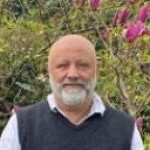 Oscar Montes de Oca Munguia
Bioeconomy Science Institute Maiangi Taiao | Sustainable Value Chains – Economy & Society
Oscar researches the primary sector and their associated value chains for a more sustainable, circular bioeconomy in New Zealand. In particular, he is interested in cooperatives as an alternative for labour involvement in these value chains.
Oscar is Mexican, descendant both from the Otomi people in the Mexican Central Plateau (Matrilineal line) and from the Berebere people in North Africa (Patrilineal line).
 Ben Scales
KiwiFibre Co-founder & CEO
ben.scales@kiwifibre.com | kiwifibre.com
Ben Scales is the co-founder and CEO of KiwiFibre, an Ōtautahi-based company pioneering a new class of advanced natural materials engineered from harakeke. KiwiFibre is replacing high-carbon materials like carbon fibre across industries from motorsport and marine to sports equipment, aerospace and industrial composites.
An industrial product designer by trade, Ben studied at the University of Canterbury, where he met co-founder William Murrell (Ngāi Tahu) in 2019, and were mentored by some of the world’s top material scientists. They started KiwiFibre in 2020 out of a belief that Aotearoa’s indigenous fibres could outperform synthetics, in terms of both performance and impact.
KiwiFibre has built a strong international materials brand serving global markets across Europe and the United States. KiwiFibre has also build proprietary physical and digital infrastructure for producing, tracking, planting and measuring fibres.
Since then, KiwiFibre has led a series of research and development projects to produce high-quality harakeke fibre at scale, building on partnerships with Mark Henderson of Biotenax in the North Island, and Te Tapu o Tāne and Ngāi Tahu in the South Island. KiwiFibre is a proud member of the Harakeke Community Alliance.
KiwiFibre has been recognised by Forbes 30 Under 30 Asia 2025, Forbes Asia 100 to Watch 2024, Fieldays Innovation Awards, and as a finalist for the 2025 Kiwibank New Zealand Innovator of the Year.
 Dr Rangituatahi Te Kanawa
Ngati Maniapoto | B.Sc, M.Sc, PhD, MNZM | Life Member NZCCM New Zealand Conservation Cultural Materials
Rangi Te Kanawa is a Conservator of Textiles and specializes in the stabilization of Māori textiles. Her childhood tuition in traditional Māori weaving from her late Mother- Dr Diggeress Te Kanawa and late Grandmother Dame Rangimarie Hetet, has instilled a heritage of weaving and textiles in general, dressmaking, and such crafts. This background led to the career path of conservation and research for the preservation of Mātauranga imbued in Māori textiles.
For almost two decades Rangi has worked with Te PaeRangi National Services, an outreach program of Te Papa Tongarewa, delivering workshops to communities on collection care of textiles. Alongside this work Rangi collaborates with Crown Research entities to develop a muka textile, as a Director of Muka Textiles Ltd and operating as a Sole Trader for Conservation Textiles.
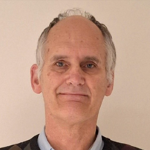 Peter Brorens
Bioeconomy Science Institute Maiangi Taiao | Scientist – Bioproduct & Fibre Technology
He specialises in fibres and materials science, with research focused on processing wool and plant-based fibres, developing biomaterials and composites. With an engineering mindset, Peter aims to improve fibre processing methods and enhance the performance of final products. His work includes research on harakeke fibre in both composite reinforcement and textile applications. He is also a proud associate member of the Massey University research cluster Te Whiri Whītau
 Mark Henderson
Biotenax Ltd | Ngāti Ruapani ki Uta ki Tai Co-op | CEO | Managing Director | Lead Facilitator |RRRT Architect
Pepeha
Ko Te Mata o Rongokako te Maunga,
Ko Tukituki te awa,
Nō Waimārama ahau,
Ko Henderson tōku whānau,
He uri whāngai tēnei,
Ko Ngāti Ruapani iwi, Ngāti Hinekura te hapū,
Ko Mark Ashton tōku ingoa
I am a businessperson. But I don’t think of business as simply a way to make money. When it is successful, money is almost a by-product of one’s endeavours.
From 1980, as restaurateur in Kuala Terengganu, Malaysia to Oceania film industry until 1985 then established with my family, ENZED UAE and Fleximak Ltd throughout the Middle East specialising in flexible fluid transfer products to the oil, gas, marine and construction industries, before selling to the US Gates Corporation in 2006. In New Zealand I concurrently established Seal Jet NZ in 1993, a seal manufacturer, which I sold in 2006. That year, my wife Soraya Hendesi and I founded Snowberry skincare which led to the development of our 22.5Ha Biodiscovery Gardens in Wellsford. During this time, we invested substantially in new-to-the-world peptide dermal delivery technology, demonstrating significant anti-aging outcomes supported by gold standard clinical trials. Snowberry was acquired by Procter & Gamble in February 2018. After running Snowberry for P&G for 4 years, and P&G departing the market here, our Biodiscovery Gardens now forms the basis of our kaupapa. Now a fledgling harakeke fibre products producer and lead facilitator of Te Hononga Hapori Harakeke | The Harakeke Community Alliance.
 Alec Foster
Bioeconomy Science Institute Maiangi Taiao | Portfolio Leader – Bioproducts & Packaging
Alec's work focuses on developing products and processes for the bioeconomy, where sustainable design and renewable resources drive economic growth. He works with over 100 New Zealand companies to develop new materials, products, and advanced manufacturing solutions - drawing on expertise in chemical engineering, materials science, and the biological sciences. Previously, he led a major European synthetic biology programme creating engineered microbes for environmentally-friendly materials. He is the inventor on more than 40 patents, with the wider programme generating many additional filings. Alec also contributes to sector direction through roles on the BioTechNZ Executive Council, the APPITA NZ committee, and as an advisor to MBIE legislation.
Key contacts
Alec Foster
Bioeconomy Science Institute Maiangi Taiao | Portfolio Leader – Bioproducts & Packaging
alec.foster@scionresearch.com
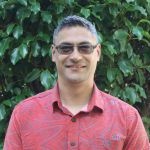 Selwyn Insley
Bioeconomy Science Institute Maiangi Taiao | Pou Hononga
selwyn.insley@scionresearch.com
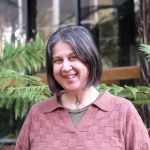 Sierra De La Croix
Bioeconomy Science Institute Maiangi Taiao | Research Group Leader – Te Ao Māori
sierra.delacroix@scionresearch.com